Things to Do, Guides
Ancient Gaze: Fayum Mummy Portraits Arrive at Ara Pacis

|
By Alyssa | WhatsOn local events writer Alyssa picks out timely events, local favourites and useful places to eat, stay and explore. |
Quick details
| What | Il potere del ritratto. Egitto e Roma. I volti del Fayum |
|---|---|
| Date | 5 November 2026 - 2 May 2027 |
| Time | 09:30 |
| Where | Museo dell'Ara Pacis (Spazio Espositivo) |
| Tickets | Book tickets |
| Contact | 06 0608 |
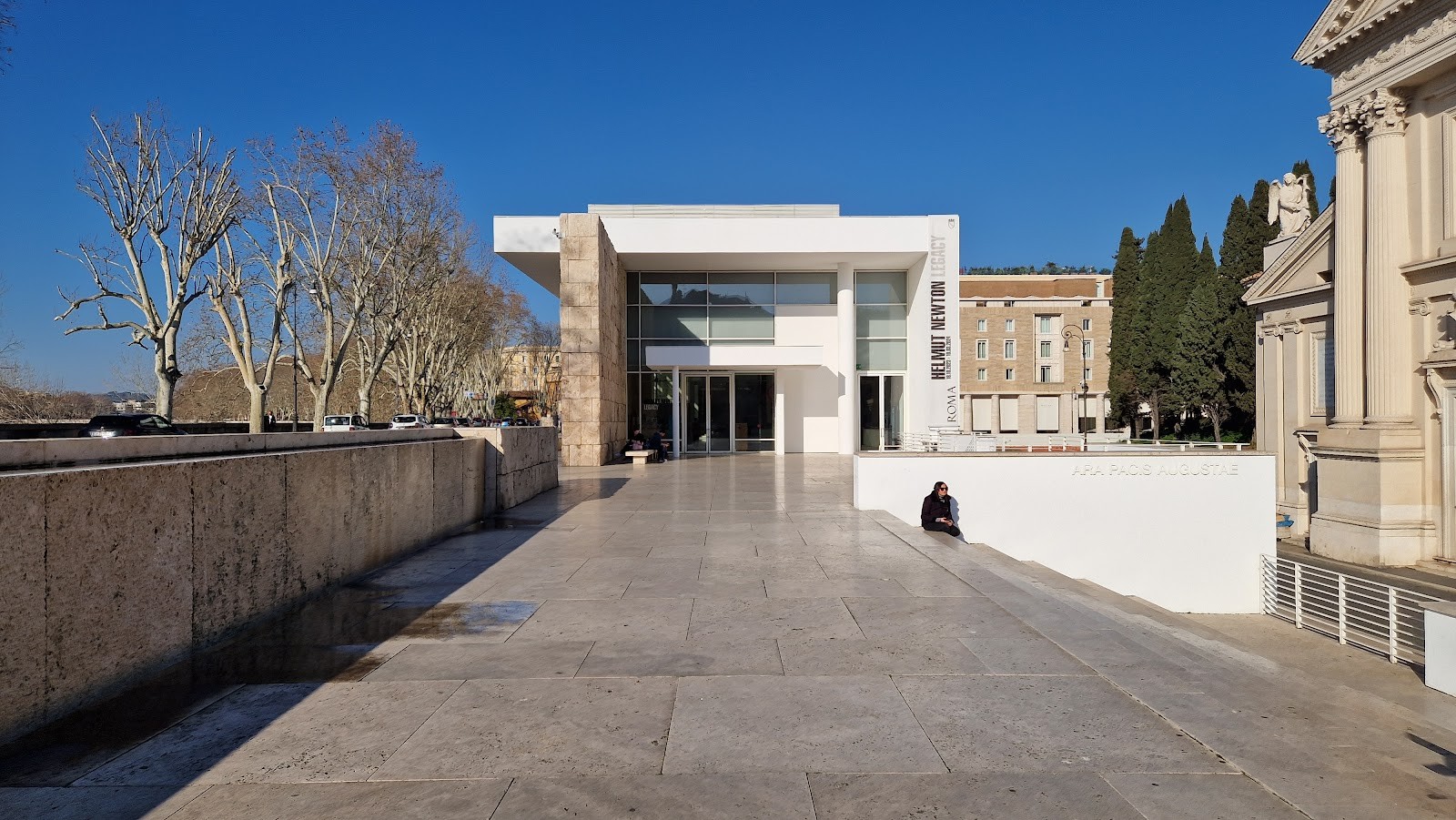
Rome is welcoming an extraordinary international gathering of ancient gaze and funerary art as Il potere del ritratto. Egitto e Roma. I volti del Fayum opens inside the sleek glass pavilion of the Museo dell'Ara Pacis. Bringing together over 110 archaeological treasures and nearly 50 rare Fayum mummy portraits, the landmark exhibition unites master loans from the Louvre and the Metropolitan Museum of Art with the Italian premiere of the newly restored 'Tondo dei Due Fratelli' from Cairo. Painted in encaustic wax and tempera on thin cedar and sycamore boards two millennia ago, these uncannily realistic likenesses capture ordinary citizens of Roman Egypt—merchants, youths, matriarchs, and children—bridging the gap between classical imperial society and Egyptian eternity with direct, luminous intensity.
Encaustic Wax, Gilded Laurel and Two Thousand Years of Light
Stepping out of the bright Tiber-side daylight into the subterranean galleries beneath Richard Meier’s white travertine altar, the atmosphere shifts into a contemplative hush. The display pairs the organic, naturalistic painting styles of Hellenistic Rome with the sacred funerary rituals of the Nile valley. Look closely at the cedar wood panels and you can trace individual brushstrokes and palette knife markings, preserved in thick bee wax that retains a warm, glossy sheen as though finished yesterday. Golden laurel wreaths gleam on painted curls, while detailed linen wrappings and mummy coverings show how Roman-era elites in Egypt memorialised their beloved dead. For art historians, seeing the subtle gradation of skin tones and expressive dark eyes up close reveals the forgotten roots of Western panel portraiture. For weekend wanderers, encountering these vivid, breathing faces across the centuries is an intimate and spine-tingling spectacle that completely rewrites expectations of classical funerary art.
A Gathering of Global Loans and Shared Heritage
The rooms foster an undeniable quiet among those who visit, drawing a diverse mix of international scholars, curious travellers, and Roman residents who drift between the glass vitrines in hushed conversation. Rather than focusing merely on pharaohs and emperors, this presentation resonates through the sheer universality of individual human lives: a young woman with intricate pearl earrings, a thoughtful young scholar clutching a papyrus roll, and two brothers painted side by side on a shared wooden disc. This shared cultural canvas—where Roman civic dress, Greek artistic naturalism, and ancient Egyptian spiritual beliefs collide—creates an electric sense of common humanity that leaves room after room lingering in collective awe.
Know Before You Go
- Book your timed entry slot online ahead of your visit via the official Museo dell'Ara Pacis booking portal to bypass box office queues during peak winter and spring weekends.
- Remember that admission to the temporary exhibition space requires a specific or integrated exhibition ticket, as entry is separate from standard monument access to the Augustus altar above.
- Allow at least 90 minutes to fully absorb the collection, audiovisual introductions, and detailed conservation displays regarding the Cairo restoration.
- Travel by public transport where possible; the museum sits just a short stroll from Flaminio or Spagna metro stops, and several bus routes stop directly along Lungotevere in Augusta.
- The entire exhibition pavilion is fully step-free and wheelchair accessible, with modern lifts connecting street level to the lower galleries.
- Photography without flash is permitted for personal use, but keep bags and large backpacks light, as cloakroom lockers fill up rapidly on busy mornings.
Make a Weekend of It
After immersing yourself in the ancient world, take advantage of the lively Campo Marzio neighbourhood just beyond the museum doors. Stroll around the newly restored Mausoleum of Augustus and head towards the cobblestones of Piazza in Campo Marzio, where you can settle in for fresh artisanal pasta and regional specialities at PaStation - Roma Campo Marzio. If you prefer a historic Roman institution that has welcomed artists and filmmakers for generations, wander slightly south towards Piazza della Pace to enjoy the classic tables at Ristorante Alfredo alla Scrofa - Wikipedia.
For an afternoon sweet treat before continuing your gallery walk towards the Spanish Steps, follow the boutique-lined Via della Croce to pick up handmade pistachio and dark chocolate scoops at Venchi Cioccolato e Gelato, Roma Via della Croce, Piazza di Spagna. Those extending their museum day into an evening culinary tour can wander past the illuminated Pantheon to secure a seat for warm gnocchi and freshly rolled pasta at Osteria da Fortunata - Pantheon, or tuck into traditional grilled cuts in the 15th-century surroundings of Osteria di Ponte near the riverbank.
Enjoy the haunting gaze of ancient Fayum, and take time to savour every quiet corner of Campo Marzio along the way — Alyssa, What's On Rome.