Exhibitions, Things to Do
Kandinsky Takes Over Palazzo Bonaparte for the Winter Season
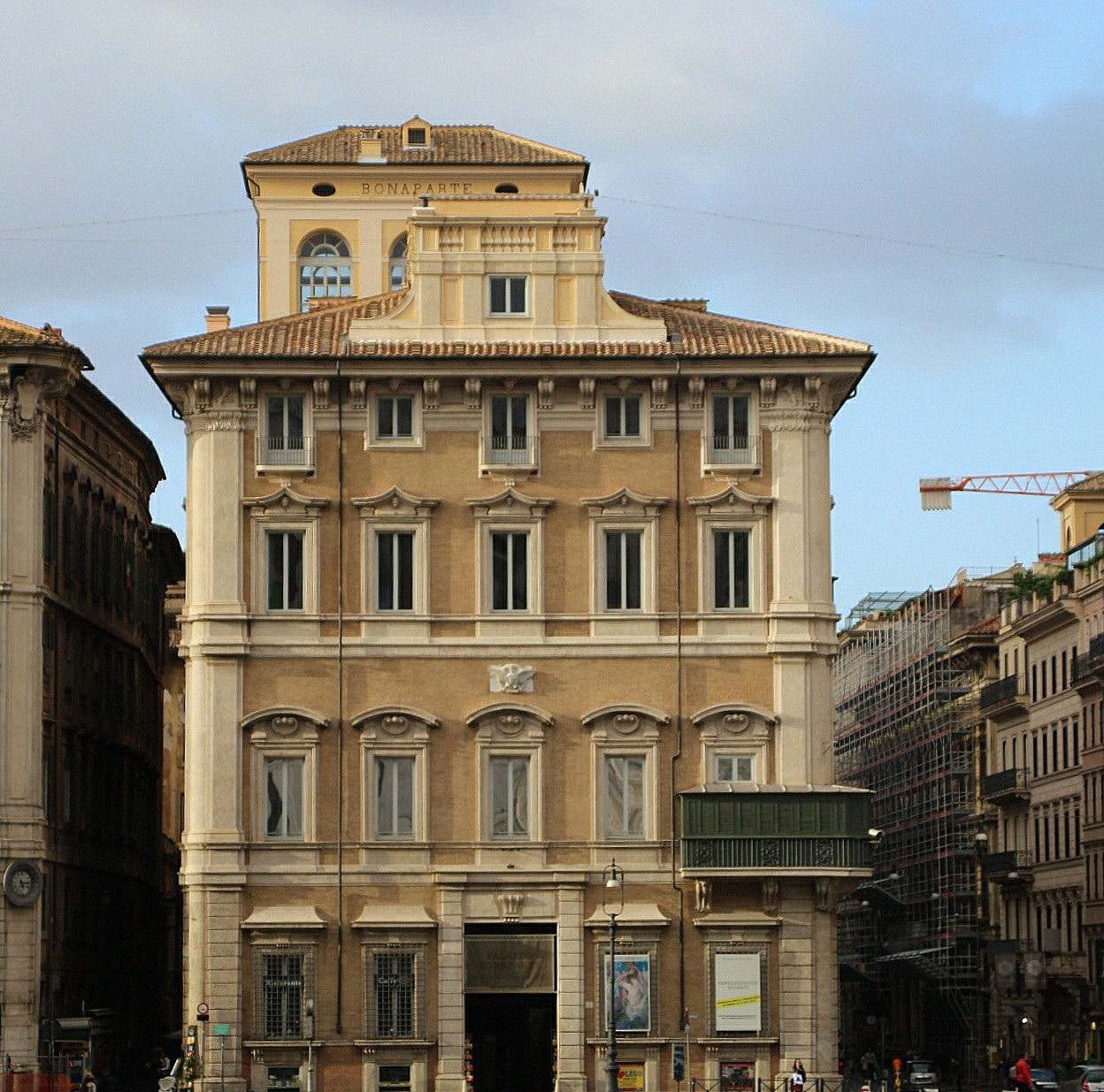

|
By Alyssa | WhatsOn local events writer Alyssa picks out timely events, local favourites and useful places to eat, stay and explore. |
Quick details
| What | Kandinsky |
|---|---|
| Date | 15 September 2026 - 14 February 2027 |
| Where | Palazzo Bonaparte |
| Website | Organiser website |
| Contact | 06 871 5111 |
| What | Kandinsky retrospective |
| Dates | 15 September 2026 – 14 February 2027 |
| Time | Check venue listing for daily entry times |
| Venue | Palazzo Bonaparte, Piazza Venezia, 5, 00187 Rome |
| Tickets | Booking highly recommended |
| Official Info | Palazzo Bonaparte |
Rome's autumn cultural season is pivoting indoors, and the absolute anchor of this year's calendar is the sweeping Kandinsky retrospective taking over the historic rooms of Palazzo Bonaparte. Running right through to mid-February 2027, this major exhibition brings the pioneering works of Vassily Kandinsky right to the heart of Piazza Venezia. It is a rare opportunity to trace the birth of abstract art through the eyes of its master, set against the intricately frescoed, deeply classical backdrop of one of the capital's most stunning palaces. For anyone visiting Rome over the cooler months, this is the marquee contemporary art event that demands a dedicated spot on your itinerary, contrasting perfectly with the ancient ruins just down the street.
Tracing the Birth of Abstraction in a Renaissance Palace
Walking through Palazzo Bonaparte during a major exhibition is always a study in contrasts, but rarely is the juxtaposition as vivid as it is here. You move from the frenetic, horn-honking energy of Piazza Venezia straight into a hushed world of primary colours and geometric intensity. The exhibition spaces are flooded with Kandinsky's evolution, chronologically guiding you from his early, deeply textured landscapes into the explosive, non-objective canvases that defined his legacy.
Standout moments include the deep, resonant blues and sharply intersecting lines of his later periods, glowing warmly under precision gallery lighting while centuries-old Roman frescoes peak out from the ceilings above. You can hear the soft click of audio guides and the creak of original floorboards as you move from room to room. It is a space where art students linger with sketchpads in front of complex compositions, while casual visitors find themselves pulled into the emotional, almost musical rhythm of the artist's canvas. The curation ensures the sheer scale of the work never feels overwhelming, offering quiet corners to sit and absorb the sheer vibrancy of the brushstrokes.
A Melting Pot of Art Critics and Curious Travellers
Because Palazzo Bonaparte sits at one of Rome's busiest geographical intersections, the crowd it draws is uniquely varied. On a typical Tuesday morning, you will find softly spoken art historians murmuring in Italian over paint textures, mingling seamlessly with weekend city-breakers who have traded a morning at the Roman Forum for a deep dive into modernism. There is a palpable, shared quietness that settles over the rooms, a collective awe that comes from standing inches away from works that fundamentally redefined twentieth-century art.
The communal feel is one of focused appreciation, punctuated by the soft shuffle of footsteps on polished parquet and the occasional whisper of a multilingual translation. The gallery attendants are noticeably passionate, often pointing out subtle details in the canvas or gesturing towards the ornate windows that look directly out onto the Altare della Patria, grounding you back in the reality of the eternal city just outside.
Know Before You Go
- Book ahead: This is a high-demand ticket. Secure your entry slot well in advance online via TicketOne to skip the often-lengthy queues that form on the pavement outside.
- Timing your visit: Early mornings mid-week offer the quietest viewing experience. Avoid late Saturday afternoons if you want to study the canvases without peering over shoulders.
- Audio guides: Pick up a headset at the entrance; navigating Kandinsky's shift from figurative landscapes to pure abstraction is much richer with the accompanying curatorial context.
- Transport logic: Piazza Venezia is a major transport hub, making it incredibly easy to reach by dozens of bus routes, though metro access requires a short walk from Colosseo (Line B) or Cavour.
- Accessibility: The historic palace is equipped with lifts to the main exhibition floors, making it fully accessible for wheelchair users.
- Cloakroom constraints: Large bags, umbrellas and heavy winter coats must be checked in before entering the gallery spaces, so travel as light as possible.
Make a Weekend of It
Once you step back out into the bustling reality of Piazza Venezia, the Centro Storico is yours to explore. A brief five-minute stroll towards the Colosseum brings you to Ristorante Pizzeria Imperiale, where you can sit down to a phenomenal vegetable pizza or crisp garlic bread in a cosy setting that feels remarkably calm despite its central location. If you are leaning towards something closer to the Pantheon, head over to Zia Rosetta. Tucked away on a small side street, it is a brilliant spot to discuss your favourite Kandinsky pieces over minestrone soup, fried artichokes, and exceptional Roman hospitality.
Alternatively, if you just want to grab a quick, authentic bite before tossing a coin into the Trevi Fountain, Pinsitaly Trevi is a mere eight-minute walk away, serving up rustic, blistered Roman pinsa in a warm, welcoming space surrounded by hanging cured meats. For a dinner heavily focused on fresh, rich pasta after a long day on your feet, Osteria da Fortunata - Pantheon is legendary for its handmade Gnocchi alla Sorrentina and boasts an atmosphere as vibrant as the art you have just seen.
I hope you lose yourself in the colours and shapes of this brilliant retrospective, Alyssa for WhatsOn.