Things to Do, Guides
World Premiere: Pirandello’s La Vita Nuda Takes the Roman Stage

|
By Alyssa | WhatsOn local events writer Alyssa picks out timely events, local favourites and useful places to eat, stay and explore. |
Quick details
| What | La Vita Nuda (Opera) |
|---|---|
| Date | 21-25 October 2026 |
| Time | Varies (20:00 or afternoon matinees) |
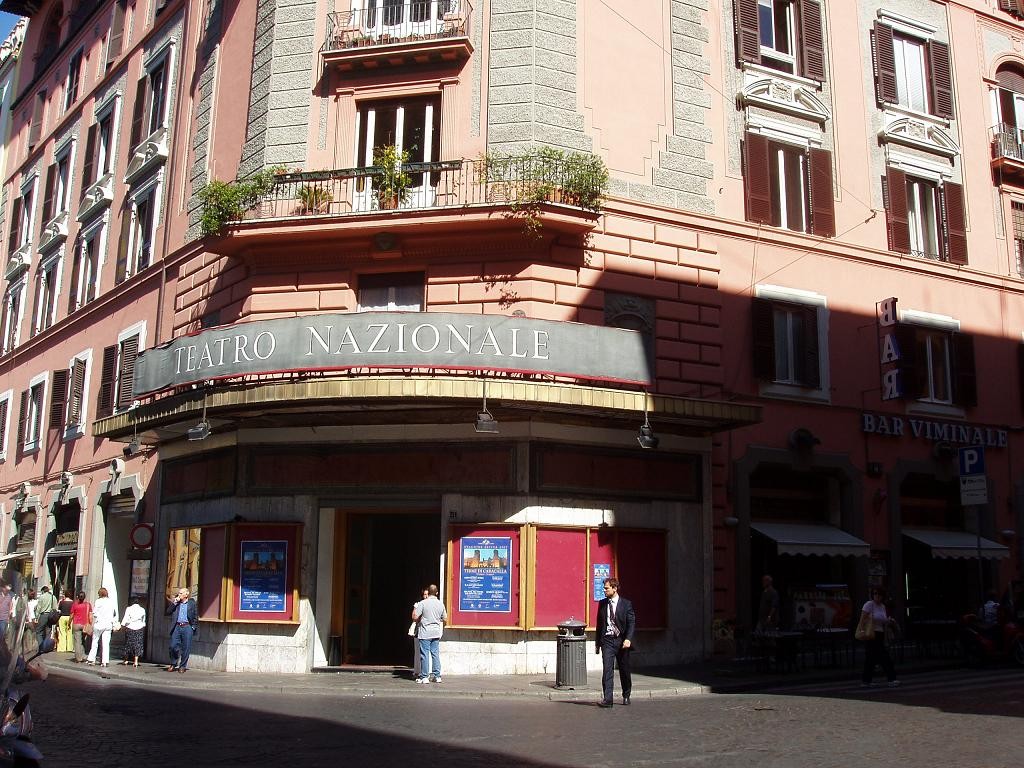
| Where | Teatro Nazionale |
| Tickets | Tickets and info |
| Contact | 06 481601 |
The heavy velvet curtain of the Teatro Nazionale doesn’t just rise; it seems to inhale, pulling the hushed audience into a world entirely stripped of its polite social masks. Stepping off the bustling, crisp autumn pavements of Via del Viminale into the opulent auditorium, the contrast is immediate. This isn't your standard evening of soaring, familiar Verdi arias designed for easy listening. Instead, discordant, thrillingly sharp strings cut through the air as the orchestra tunes up, and the historic Roman theatre hums with the electric, nervous energy that only a world premiere can generate.
This is La Vita Nuda (The Naked Life), a fiercely anticipated contemporary opera by acclaimed Italian composer Matteo D'Amico. Running for a strictly limited five-day window in October, this bold new work takes the psychological labyrinth of Luigi Pirandello's literature and translates it into a visceral, gripping auditory experience. Directed with sharp, uncompromising vision by Cecilia Ligorio and conducted by Alessandro Cadario, it is a massive moment for Italy’s contemporary arts calendar. It proves that Rome is just as dedicated to forging the avant-garde future of high culture as it is to preserving its ancient past. For visitors and locals who crave challenging, boundary-pushing theatre, this is the indisputable cultural anchor of the autumn season.
Stripping Back the Masks of Modern Opera
Forget the lush romanticism and pastoral backdrops of traditional 19th-century Italian opera. The sensory experience of La Vita Nuda is one of stark, gripping tension. You can expect minimalist, shadow-drenched stage designs that make the performers appear almost suspended in the void, forcing every eye in the house onto their raw physical and vocal acrobatics. The lighting design acts as a character itself, casting jagged, fractured silhouettes across the stage to mirror the fragmented identities of Pirandello’s protagonists.
The score is a masterclass in psychological suspense. The music swells with sudden, percussive strikes that will physically make you jump in your plush red seat, only to dissolve instantly into haunting, crystalline soprano notes that hang like fragile glass in the breathless auditorium. Woodwinds mimic human sighs, and erratic, staccato cello lines represent the frantic heartbeat of existential dread. It is an intense, immersive plunge into the human psyche. The evening performances carry a palpable, high-stakes tension, while the weekend matinees offer a slightly more reflective atmosphere, allowing the afternoon light to stream into the foyer as you digest the heavy, brilliant themes over a post-show espresso.
A Foyer of Critics and Culture Seekers
The atmosphere off-stage is just as captivating as the performance itself. In the grand foyers of the Teatro Nazionale, the interval crowd provides a fascinating snapshot of modern, cosmopolitan Rome. You will find seasoned, traditional opera aficionados in tailored dark wool and silk scarves, passionately debating the dissonance of the score over crisp glasses of Franciacorta. They stand shoulder-to-shoulder with edgy conservatory students, international arts journalists, and curious theatre-goers drawn by the buzz of a new D'Amico work.
The communal energy is fiercely intellectual but deeply passionate. There is a shared, secret thrill that ripples through the crowd—the electric knowledge that no one in the world has ever seen or heard this exact production before. When the bell chimes to signal the end of the interval, the low roar of debate instantly drops to an expectant whisper. It is a crowd that isn’t here just to be entertained, but to be provoked, moved, and challenged.
Know Before You Go
- Secure your seats immediately: With a run of only five days, tickets for this world premiere are highly sought after by local arts patrons. Book your tickets well in advance via TicketOne or the official Teatro dell'Opera di Roma channels.
- Dress for the occasion: While contemporary opera is less rigid than a traditional gala premiere, the Roman crowd still dresses with effortless autumn elegance. Think smart tailoring, dark colours, and sophisticated layers.
- Pacing your arrival: The Teatro Nazionale is located in the bustling Repubblica district. The traffic around Termini and Via Nazionale can be dense in the early evening. Aim to arrive at least 45 minutes before curtain up to check your coat, grab a programme, and soak in the architecture without rushing.
- Matinee vs. Evening: Pay close attention to the schedule when booking. The midweek shows are traditional evening performances (usually 20:00), but the weekend offers afternoon matinees, which completely changes how you can plan your pre- and post-show dining.
- Read up beforehand: The opera is sung in Italian. While the sheer emotion transcends language, brushing up on the basic premise of Pirandello's short stories beforehand will drastically enrich your understanding of the avant-garde staging.
Make a Weekend of It
A culturally heavy evening demands excellent food and a beautiful environment to decompress. The area around Repubblica is central, making it incredibly easy to pair your night at the opera with some of Rome's most beloved culinary institutions.
If you're attending a weekend matinee, I highly recommend wandering towards the Pantheon area afterwards for a late, spectacular lunch. Book a table outside at Zia Rosetta, a stunning little trattoria tucked into a side street just moments from the ancient monument. It’s the perfect place to debrief on the opera's complex themes over a warming bowl of minestrone and incredibly crisp fried artichokes.
For those craving a deeply traditional, comforting Roman meal to contrast the stark modernity of the stage, you cannot do better than Osteria da Fortunata - Pantheon. Watching the pasta being rolled fresh by hand in the window grounds you right back in the rustic heart of Italy. Their Gnocchi alla Sorrentina is sensational, but save room for the tiramisu—it is easily one of the best you will find in the city.
If you want to turn this premiere into a truly luxurious weekend, consider basing yourself near the historic centre at Ristorante Alfredo alla Scrofa. Not only does this 15th-century-style location offer historic grandeur that pairs perfectly with a weekend of high culture, but their dining room—famous as the birthplace of true Fettuccine Alfredo—serves an incredible lasagna Bolognese and pesto ravioli that feels like an event in itself.
Finally, for a relaxed morning after the intense drama of the night before, take a stroll down towards the Colosseum and grab breakfast or an early wood-fired pizza at Ristoro della Salute. It’s laid-back, welcoming, and the perfect spot to watch the city wake up as you plan your next Roman adventure.
I’ll see you in the stalls, Alyssa x