Things to Do, Guides
Rembrandt’s Absolute Black: Rome’s Must-See Winter Exhibition

|
By Alyssa | WhatsOn local events writer Alyssa picks out timely events, local favourites and useful places to eat, stay and explore. |
Quick details
| What | Exhibition: Rembrandt. Nero assoluto – La rivoluzione dell'incisione |
|---|---|
| Date | 26 October 2026 - 21 February 2027 |
| Where | Museo Storico della Fanteria |
| Tickets | Official information |
| Contact | 06 702 7971 |
Step out of the crisp Roman autumn air and into a world where light is born entirely from the deepest of shadows. The atmosphere inside the gallery is hushed, climate-controlled, and thick with a sense of reverence. There are no towering marble statues here, nor the sweeping, colourful frescoes that typically define Rome’s historic spaces. Instead, you are confronted with something far more intimate: the scratch of a needle on a copper plate, the velvety texture of dense ink, and the startling, unfiltered humanity of a 17th-century master.
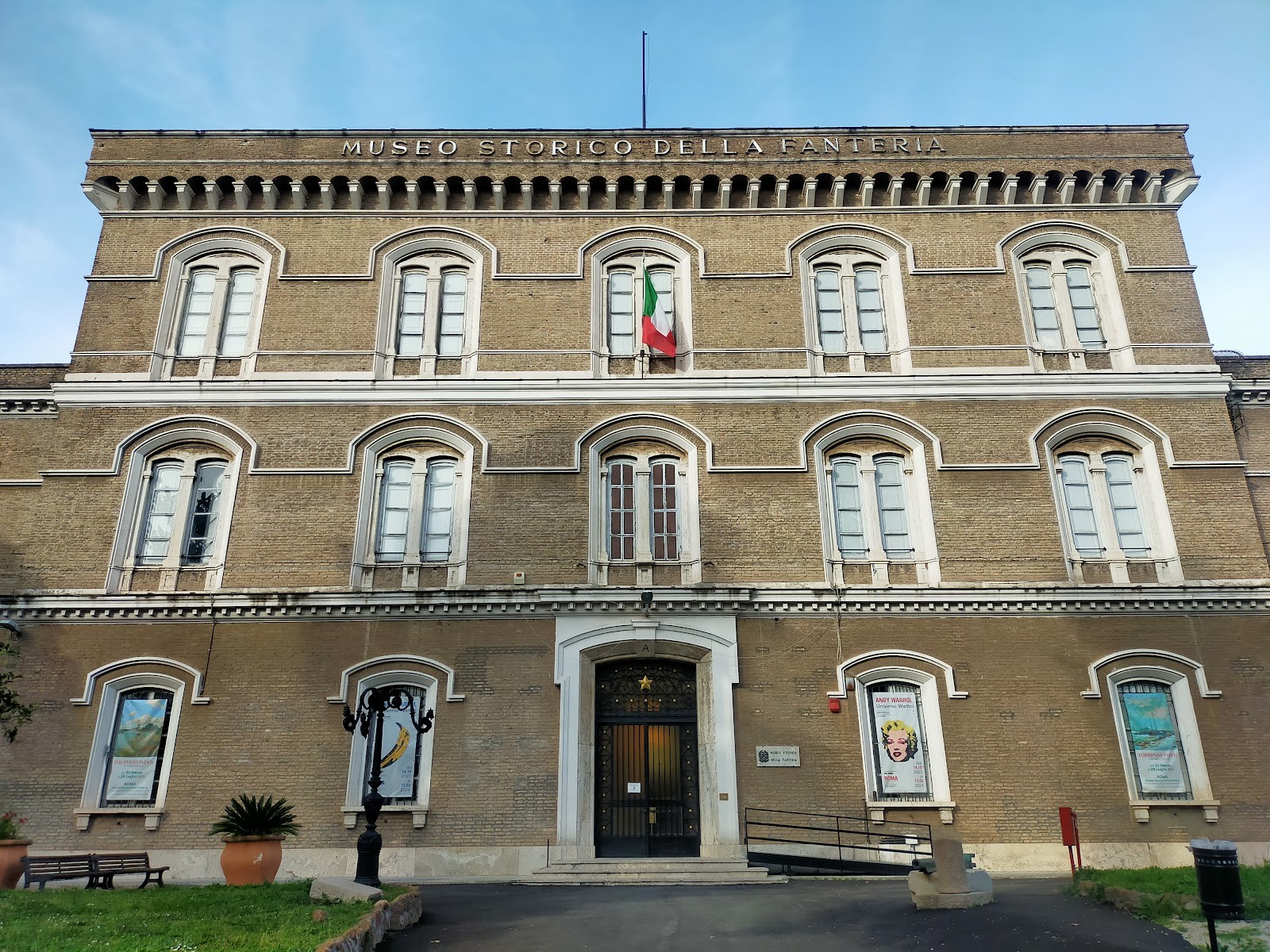
We are here for the highly anticipated Exhibition: Rembrandt. Nero assoluto – La rivoluzione dell'incisione Rome. Marking the 430th anniversary of the Dutch master's birth, this monumental showcase has taken up residence at the Museo Storico della Fanteria in the Esquilino district. It is a massive deal for the capital's autumn and winter cultural calendar. While Rembrandt is globally revered for his oil paintings, it was his revolutionary approach to etching and printmaking that truly cemented his genius. This exhibition dives deep into that very revolution. By gathering an extraordinarily comprehensive collection of his prints, the curators have created an experience that lets you see the world exactly as Rembrandt did—in stark, uncompromising contrasts of light and absolute black.
Mastering the Shadows and Copper
The immediate sensation when walking through the exhibition halls is one of profound intimacy. Because works on paper are incredibly sensitive to light, the venue is kept deliberately dim. The spotlights are tightly focused on the prints themselves, drawing you in like a moth to a flame. You cannot simply glance at a Rembrandt etching as you stroll past; these works demand that you stop, lean in, and get your nose just inches from the glass.
When you do, the level of detail is staggering. The highlights of the exhibition are not just the famous biblical scenes, which he rendered with intense spiritual drama, but the quiet, everyday moments. You will see landscapes the size of a postcard that somehow feel vast and windswept. You will see portraits of beggars, philosophers, and ordinary citizens whose weathered faces are built from thousands of microscopic, cross-hatched lines.
The title of the show, Nero assoluto, refers to his pioneering use of drypoint—a technique where he would dig directly into the copper, leaving rough ridges of metal that caught heavy pools of ink. In person, this translates to shadows so rich and dense they almost look like velvet resting on the paper. It is a masterclass in emotional storytelling, proving that a monochrome print can hold just as much power, if not more, than the brightest Renaissance canvas.
The Hushed Communion of Print Admirers
The energy in the room is a far cry from the bustling, selfie-stick-waving crowds you might dodge near the Trevi Fountain or the Vatican Museums. This exhibition draws a delightfully focused crowd. You will see art students with their sketchpads, historians gently debating techniques, and curious locals who have come seeking a quiet refuge from the busy Roman streets outside.
There is a shared, unspoken etiquette among the attendees here. People move slowly, shifting politely to let the next person step up to the viewing glass. You will often hear soft murmurs of amazement as someone spots a tiny, hidden detail—perhaps a stray dog in the background of a grand scene, or the exquisite rendering of a furrowed brow. It feels less like a traditional museum visit and more like a communal meditation on human nature, bound together by a shared appreciation for technical brilliance.
Know Before You Go
- Pace yourself: Give yourself at least 90 minutes to two hours. The prints are small, and the intricate details require slow, deliberate viewing.
- Let your eyes adjust: The lighting is strictly regulated to protect the fragile 17th-century paper. Take a moment in the entryway to let your eyes adapt to the dim conditions before examining the art.
- Bring your glasses: If you use reading glasses, do not leave them in your hotel room. The linework is microscopic, and you will want to see every single scratch of the etching needle.
- Beat the crowds: To experience the quietest atmosphere, aim for a mid-week morning visit or a late afternoon slot.
- Book in advance: As the winter chill sets in, indoor cultural events become highly sought after by both locals and tourists. Secure your tickets ahead of time to guarantee entry, especially on weekends.
Make a Weekend of It
The Museo Storico della Fanteria is located near San Giovanni, making it a fantastic springboard for exploring areas of Rome that sit just slightly off the most heavily trodden tourist paths. After spending a couple of hours immersed in Rembrandt’s quiet shadows, you will likely be ready for some lively Roman hospitality.
From the museum, it’s an easy trip towards the Viminale area for dinner. I highly recommend spending your evening at Vattani Elegant Italian Restaurant & Cocktail Bar. It has an incredibly welcoming vibe, decorated with fairy lights and candles that feel like a gentle transition back into the modern world. Their cured meat platters with walnuts and honey are the perfect starter, but you absolutely must try their eggplant pasta or the tuna steak. Pair it with a bottle of Barolo or one of their superb cocktails to toast a successful day of culture.
The next morning, make your way into the historic centre to continue your weekend. If you find yourself exploring the ruins around Piazza Venezia, stop for lunch at Grano la cucina di Traiano on Via Magnanapoli. It’s a brilliant spot for high-quality Roman street food, offering excellent pizza, calzones, and salads in a relaxed setting just a stone's throw from the ancient forums. Should you decide to wander towards the Pantheon instead, Osteria da Fortunata - Pantheon serves exceptional handmade pasta. Alternatively, if your stroll takes you to Piazza Navona, Camillo - a Piazza Navona dal 1890 provides a perfect historic vantage point to enjoy modern Roman fare.
Finally, as the afternoon sun begins to dip, take a stroll towards the Spanish Steps. No weekend in Rome is complete without a serious gelato, regardless of the season. Head to Venchi Cioccolato e Gelato, Roma Via della Croce, Piazza di Spagna. You can sample as many flavours as you like before deciding, but their cremino and dark chocolate combination is legendary. It’s the perfect, decadent end to a weekend of high art and fantastic food.
Wrap up warm, take your time with the etchings, and I'll see you in the galleries. — Alyssa