Music & Nightlife
Lugansky Takes on Rachmaninoff's Third: Rome's Heavyweight Autumn Opener

|
By Alyssa | WhatsOn music and nightlife writer Alyssa tracks the gigs, festivals, club nights and late-late plans worth leaving the house for. |
Quick details
| What | Kochanovsky - Lugansky: Rachmaninoff - III |
|---|---|
| Date | 27 September 2026 |
| Time | 20:30 |
| Where | Auditorium Parco della Musica - Sala Santa Cecilia |
| Tickets | Tickets and info |
| Contact | 06 802411 |
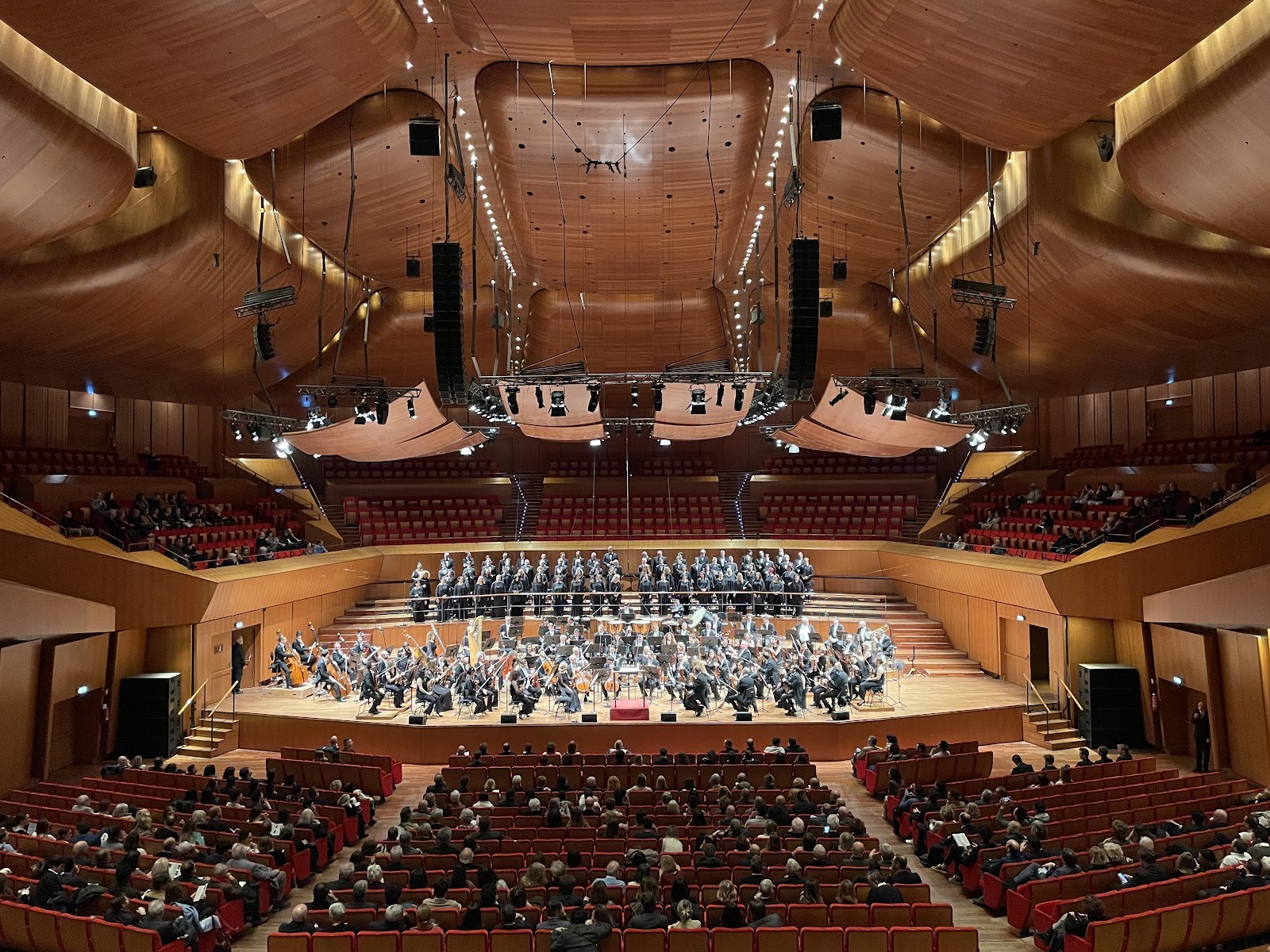
Forget the mosh pits and stadium barriers for a second; the most visceral adrenaline spike in Rome this autumn is happening inside a cherry-wood acoustic spaceship. You step into the cavernous, shell-like expanse of the Sala Santa Cecilia, the air already thick with that specific, hushed electricity of a crowd waiting for something massive. The lights dip, the low hum of three thousand whispered conversations cuts to dead silence, and the Orchestra dell'Accademia Nazionale di Santa Cecilia raises their bows. This isn't just a polite evening at the symphony; it is a full-body sonic assault in the absolute best possible way.
The main event on September 27 is a heavyweight collision of talent and repertoire. We are talking about Rachmaninoff's Piano Concerto No. 3, infamously known as one of the most technically punishing and emotionally devastating pieces ever written for the instrument. Taking on this Everest of the classical world is Russian virtuoso Nikolai Lugansky, a pianist whose icy precision and explosive power were practically built for this exact score. Under the razor-sharp baton of conductor Stanislav Kochanovsky, this one-night-only performance signals the true kickoff of Rome's autumn indoor arts season. If you think classical gigs lack bite, you have never seen a master tear through Rach 3 live.
Thunderous Keys and Acoustic Mastery
The genius of catching a show in Renzo Piano's Auditorium Parco della Musica is that you do not just hear the music; you feel it vibrating through the floorboards. The Sala Santa Cecilia is an architectural marvel engineered to carry the most delicate pin-drop trill and the most thunderous brass crescendo with equal, crystalline clarity. When Lugansky leans into the staggering, knuckles-to-the-bone cadenza of the first movement, you will feel the sheer mechanical force of the grand piano washing over the stalls.
It is a masterclass in tension and release. Expect sweeping, cinematic strings that swell into massive, room-filling walls of sound, instantly followed by moments of breathless, fragile solo piano that make you scared to even shift in your seat. The sheer stamina required to perform this concerto is mind-bending, and watching Lugansky navigate the relentless cascade of notes is as visually thrilling as watching any lead guitarist shred through a headline set. By the time the breakneck finale hits, the energy in the room is practically combative.
The Autumn Stalls and Black-Tie Buzz
There is a distinct shift in the city's nightlife energy as September fades into October, moving from sweaty open-air arenas to the sleek, focused intensity of the indoor circuit, and you can feel that transition in the foyer here. The crowd is a brilliant cross-section of Rome's cultural consumers: seasoned season-ticket holders in sharp Italian tailoring rubbing shoulders with international music students and weekend travelers looking to tap into the capital's high-end arts scene.
The pre-show ritual involves clinking glasses of Franciacorta at the venue's sweeping glass-fronted bars, debating the conductor's tempo choices, and eagerly flipping through glossy programs. It is communal, it is electric, and it carries a genuine sense of occasion. When the final chord strikes and the tension finally breaks, the resulting standing ovation is a deafening roar that rivals any underground club night in the city.
Know Before You Go
- Arrive early for the architecture: The Auditorium is a sprawling, multi-venue complex. Give yourself an extra 45 minutes to wander the outdoor Cavea amphitheatre and grab a drink at the foyer bar before the warning bells ring.
- Dress code: There is no strict black-tie rule, but this is a premier Roman evening out. Lean into smart-casual or sharp tailoring; you will feel out of place in scuffed trainers and a hoodie.
- Getting there: The easiest route to the Flaminio district is taking the Linea 2 tram straight from Piazza del Popolo (Flaminio metro station) directly to the Apollodoro stop, just a short walk from the venue.
- Booking pressure: Lugansky playing Rachmaninoff is a blue-chip booking. The premium central stalls sell out incredibly fast, so lock in your seats via TicketOne or the official Santa Cecilia site well in advance.
Make a Weekend of It
While Flaminio holds the evening's entertainment, setting up a solid weekend base in the wider city ensures you get the most out of Rome's culinary rhythm. Kick off your morning across the river in the Prati district with a sharp espresso and a freshly baked pastry at Al Giulio Cesare Caffè, where the fast-paced local bustle is the perfect antidote to a slow start. If you need a heavy, casual lunch before getting dressed up for the concert, grab a massive, life-changing slice of burrata and cherry tomato pizza by weight at Eroi Della Pizza—it is fast, loud, and entirely unpretentious.
For the post-concert comedown or the following night's feast, head towards the Monti neighborhood. Snag a table at Tonnarello Santa Maria for an evening of deeply traditional Roman plates; diving into their generations-old pasta recipes is exactly the kind of comfort food you need after a night of high-octane classical drama. Alternatively, if you find yourself closer to the Pantheon the next afternoon, duck down the side streets for the incredible scallopine and flawless minestrone at Zia Rosetta. It is a stunning, warm environment to dissect the previous night's performance over exceptional wine.
Catch you in the stalls, Alyssa.