Things to Do, Exhibitions
Ancient Worlds Collide: Inside Rome's AEGYPTUS Exhibition

|
By Alyssa | WhatsOn local events writer Alyssa picks out timely events, local favourites and useful places to eat, stay and explore. |
Quick details
| What | Exhibition: AEGYPTUS – Dal Nilo al Mediterraneo |
|---|---|
| Date | 3 July - 15 November 2026 |
| Where | Museo Nazionale Romano - Terme di Diocleziano |
| Tickets | Tickets and info |
| Contact | 06 4778 8001 |
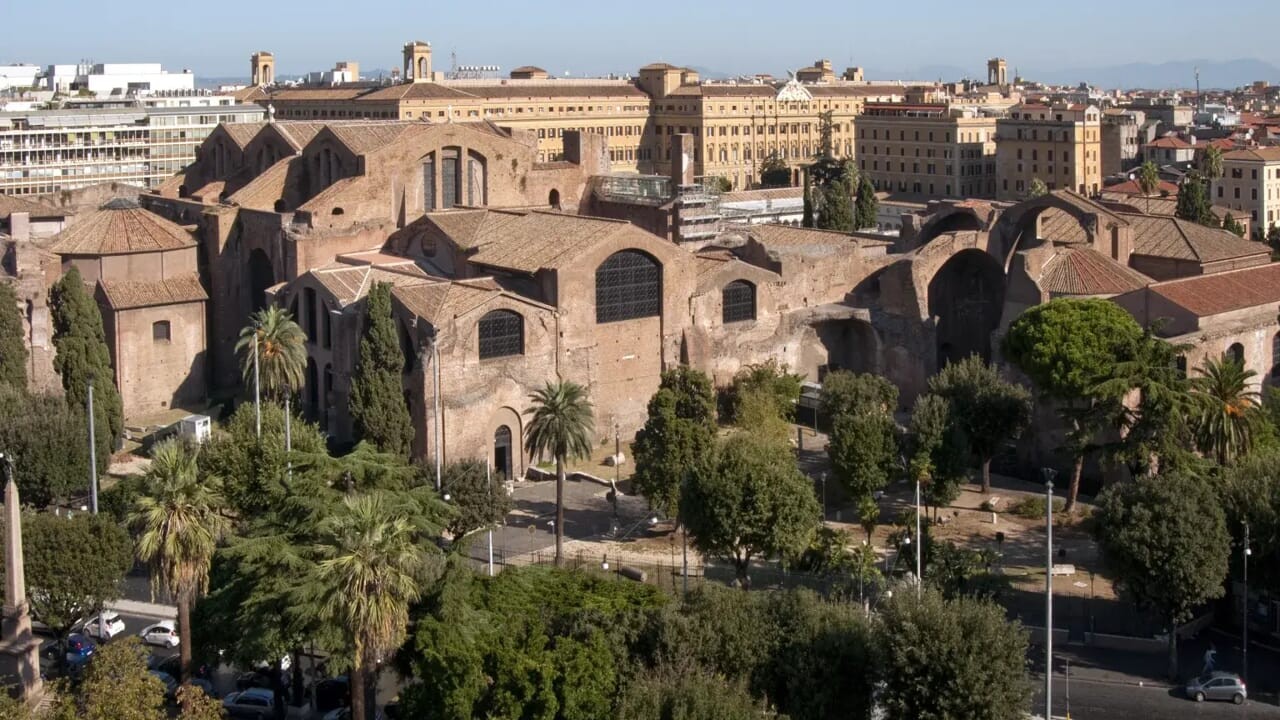
Stepping out of the chaotic rush of the Termini station district and into the cavernous, echoing halls of the Baths of Diocletian is always a profound jolt to the senses. But this autumn, that shift is even more dramatic. The cool, dimly lit Roman vaults are currently glowing with the golden sheen of distant sands, bringing the mystique of the ancient Nile straight into the heart of the Italian capital. It is a striking visual juxtaposition: towering, weathered Roman brickwork acting as the dramatic stage for intricately carved basalt, delicate fragments of papyrus, and the mesmerising, heavy-lidded eyes of Egyptian deities. The scent of old, damp stone mingles with the hushed reverence of the crowds, instantly making you feel less like a weekend museum visitor and more like an early explorer breaching a long-sealed tomb.
When it comes to unmissable cultural moments this season, the Exhibition: AEGYPTUS – Dal Nilo al Mediterraneo Rome stands in a league of its own. Running until mid-November, this monumental showcase is far from your standard chronological lineup of dusty relics behind glass. Instead, it is a thrilling, immersive deep dive into the cultural collision between two of history's greatest superpowers. It explores how the Roman Empire did not just conquer Egypt, but was profoundly seduced by it. From the integration of the goddess Isis into local pantheons to the imperial fashion for towering obelisks that still define Rome's greatest piazzas today, the core attraction here is seeing this ancient, cross-cultural exchange brought vividly to life through rare, meticulously curated artefacts.
Gods, Gold, and Colossal Vaults
The sheer scale of the Terme di Diocleziano amplifies the impact of every single display case. As you wander through the expansive complex, you move past towering statues of sphinxes that seem to stand guard over original mosaic floors, before leaning in closely to inspect the astonishingly delicate gold jewellery that once adorned noblewomen in ancient Alexandria. There is a palpable shift in energy as you enter the rooms dedicated to religious syncretism; here, the animal-headed gods of the Nile blend seamlessly into classical marble busts of Roman emperors, showing a world where mythologies intertwined.
Families tend to naturally gravitate towards the massive hieroglyphic panels, with younger visitors tracing the carved symbols and attempting to decode the ancient myths. Meanwhile, history aficionados will find themselves lingering over the exhibition's everyday items. Fragile, ink-stained letters written on papyrus and simple terracotta oil lamps shed a deeply personal light on how ordinary citizens navigated this blended Greco-Roman-Egyptian society. The curatorial lighting is deliberately atmospheric throughout the venue, casting long, dramatic shadows across the vaulted thermal ceilings and highlighting the rich textures of the stone and gold.
Whispers in the Grand Halls
The audience drawn to this exhibition is a fascinating and diverse cross-section of Rome itself. On any given afternoon, you will spot local university students fervently sketching the intricate drapery of Hellenistic-Egyptian statues, standing shoulder-to-shoulder with international visitors captivated by the visual storytelling. There is a genuine, communal sense of discovery that ripples through the galleries.
In the quieter alcoves of the baths, you can hear hushed conversations in half a dozen languages, pointing out the uncanny similarities between Roman imperial portraiture and the hauntingly lifelike Fayum mummy masks. It is a shared, deeply immersive experience where the modern traffic noise of the city outside the thick thermal walls entirely melts away, leaving a crowd united by the sheer weight, tragedy, and beauty of human history.
Know Before You Go
- Pace yourself: The Baths of Diocletian complex is vast, and the exhibition is highly detailed. Allow yourself at least two to three hours to absorb the displays without feeling rushed.
- Timing your visit: Arrive early in the morning right at opening time to beat the main rush, or opt for a late afternoon slot. The late daylight filtering through the massive ancient thermal windows creates a spectacularly photogenic atmosphere.
- Footwear matters: You will be walking over centuries-old stone, uneven paving, and original mosaic fragments. Leave the high heels in your suitcase and opt for your most comfortable walking shoes.
- Ticket strategy: While autumn crowds are slightly thinner than the summer peak, weekend time slots for temporary archaeological exhibits fill up quickly. Secure your entry well in advance to bypass any queues at the door.
- Layer up: The monumental stone walls of the baths keep the interior surprisingly cool and shaded, even on a warm Roman autumn day. Bringing a light jumper or scarf is highly recommended.
Make a Weekend of It
Once you emerge from the ancient world and step back into the lively, sunlit streets surrounding Piazza della Repubblica, you will likely have worked up quite an appetite. Thankfully, the area offers some brilliant local spots to decompress and discuss the exhibits.
If you want to grab a quick, gourmet bite before even entering the museum, Zia Rosetta offers fantastic, creative rosetta sandwiches that are perfect for a light lunch on the go.
Just a very short stroll away on Via del Viminale, you can debrief over exceptional cocktails and a beautiful meal at Vattani Elegant Italian Restaurant & Cocktail Bar. The atmosphere here is fantastic—think twinkling fairy lights, warm, attentive service, and a phenomenal cured meat platter served with cheese, walnuts, and honey that is perfect for sharing. Their eggplant pasta and beautifully executed Caprese salads make it an ideal, relaxed dining spot right by the museum.
If your post-exhibition plans involve walking down the bustling Via Nazionale towards Piazza Venezia to see more imperial ruins, time your lunch for a stop at Grano la cucina di Traiano. Nestled on Via Magnanapoli, this spot offers a superb mix of high-quality street food and classic, sit-down Roman dishes like hearty calzoni and rich pastas, providing a truly authentic taste of the Centro Storico. Alternatively, if you are craving a traditional wood-fired pie in that same area, Ristorante Pizzeria Imperiale is another fantastic choice right by the ancient forums.
Or, if you are letting the evening take you deeper into the historic centre towards the city's iconic fountains, grab a casual but unforgettable bite at Pinsitaly Trevi. Located just a quick hundred-metre walk from the Trevi Fountain, this cosy, rustic pinseria serves up phenomenally light and crispy Roman pinsa. With its upbeat music and hanging cured meats, it offers the perfect, welcoming modern Roman finish to a day spent uncovering the distant past.
I can't think of a better way to spend an autumn afternoon in Rome—getting lost in the sands of Egypt without ever leaving the city limits. Enjoy the journey through time!