Things to Do, Exhibitions
Swords, Steel and Status: Panopliæ at Castel Sant'Angelo

|
By Alyssa | WhatsOn local events writer Alyssa picks out timely events, local favourites and useful places to eat, stay and explore. |
Quick details
| What | Panopliæ: Armi, ingegno e potere |
|---|---|
| Date | 20 June - 4 October 2026 |
| Where | Castel Sant'Angelo |
| Tickets | Official information |
| Contact | 06 681 9111 |
There is a distinct chill that hits you as you ascend the helical ramp of Hadrian's ancient mausoleum, but it is the sudden, sharp glint of polished steel in the upper galleries that truly stops you in your tracks. Inside the formidable stone walls of Castel Sant'Angelo, the scent of old iron and polished wood fills the air. The echoing corridors, usually reserved for quiet contemplation of papal history, have been transformed into a striking homage to warfare and craftsmanship. Here, the brutal reality of battle collides spectacularly with the soaring artistic ambition of the Renaissance.
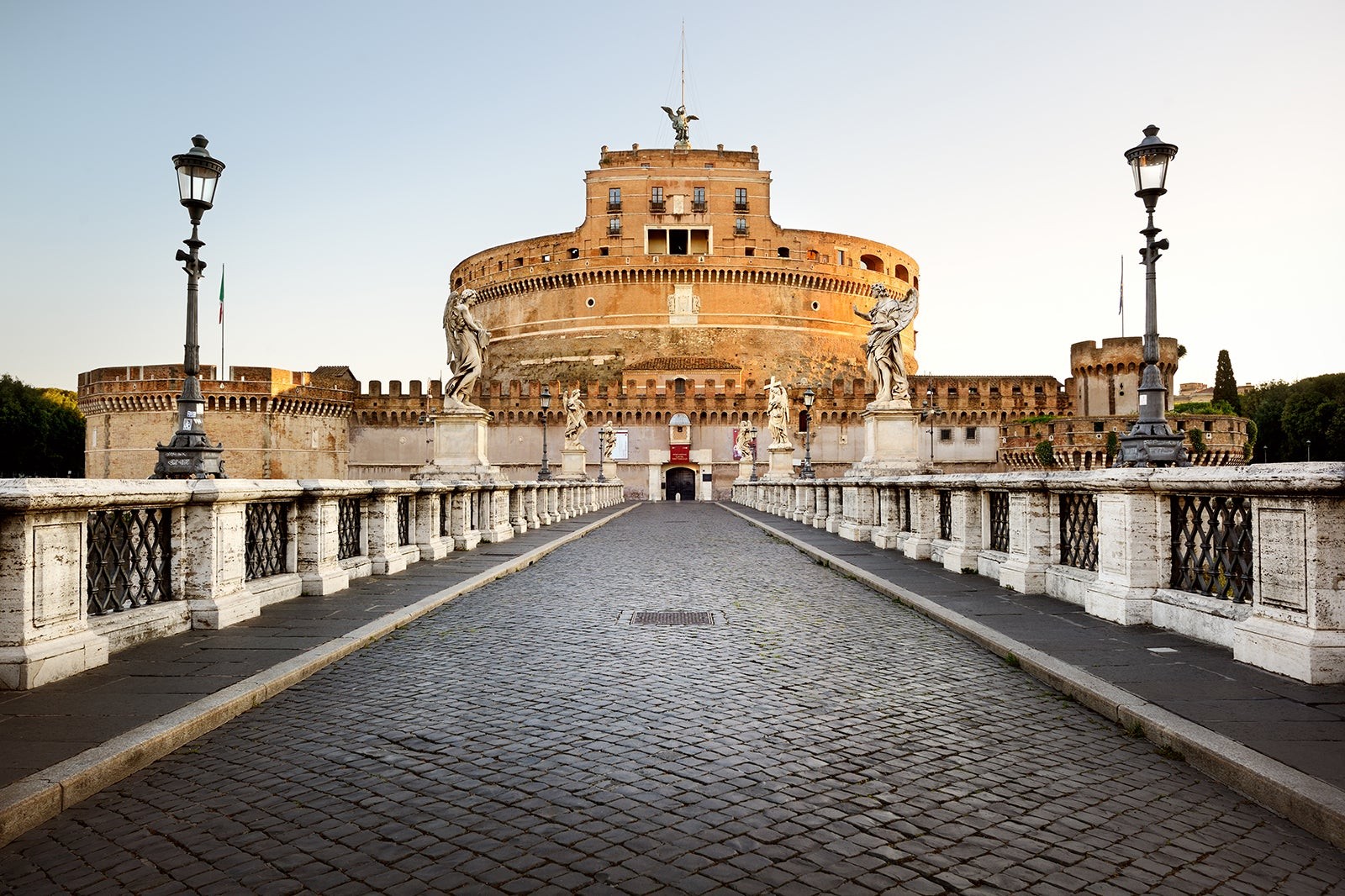
This is Panopliæ: Armi, ingegno e potere Rome, an autumn exhibition that brings the fortress’s martial past vividly back to life. Translating roughly to 'Weapons, Ingenuity and Power', the showcase is a deep dive into the engineering genius and profound symbolic weight of historical weaponry. It is a big deal not just for the sheer rarity of the armour on display, but for the location itself. Castel Sant'Angelo was, for centuries, the ultimate papal stronghold—the very place where popes fled during sieges. To see these intricate instruments of defence and destruction mounted within the very walls built to repel them adds a layer of atmospheric authenticity that no standard white-walled gallery could ever hope to replicate.
Steel, Status and Renaissance Engineering
Moving through the exhibition feels like stepping into the personal armoury of a 16th-century warlord. Rather than dry, chronological plaques, the displays show exactly how art and engineering converged on the battlefield. You can almost hear the clashing of swords and the heavy, rhythmic thud of marching boots as you stand before full suits of etched armour, their breastplates so elaborately engraved they look more like fine jewellery than protective gear. The craftsmanship is staggering; delicate gold inlay sits alongside thick, impenetrable steel, demonstrating how these weapons were as much about projecting wealth and divine right as they were about surviving a skirmish.
For families, the standout moments come from the sheer mechanical wonder of it all. Children press their faces against the glass, tracing the complex, interlocking joints of articulated gauntlets and marveling at early, heavy-barrelled firearms that look impossibly cumbersome to carry. For the history and art enthusiasts, the subtle details command attention: the curve of a halberd designed for maximum impact, the balance of a rapier, and the ornate hilts that tell stories of allegiances and ancient rivalries. The dramatic, moody lighting inside the fortress highlights every scratch and dent on the metal, offering a visceral reminder that these pieces were not merely ceremonial—they saw the heat and horror of combat.
A Gathering of History Buffs and Curious Families
The atmosphere inside the galleries is one of hushed reverence and intense curiosity. The crowd is a fascinating mix of dedicated military history buffs dissecting the mechanics of a flintlock mechanism, and families on autumn city breaks whose children are entirely captivated by the knightly grandeur on display. There is a palpable sense of shared discovery in the room. Strangers point out tiny, hidden engravings to one another, and you often catch snippets of multilingual conversations debating exactly how much a full suit of plate armour must have weighed.
Because the exhibition is seamlessly integrated into the standard Castel Sant'Angelo route, the typical visitor flow is wonderfully disrupted. Couples who came simply for the panoramic views from the Angel's Terrace find themselves lingering by the display cases, drawn in by the intricate storytelling. It turns a standard architectural walkthrough into an immersive communal experience, grounding the lofty, romanticised history of Rome in the heavy, practical reality of its defenders.
Know Before You Go
- Secure tickets early: This exhibition runs into its final weeks this October. As it is included with standard Castel Sant'Angelo admission, you must book your museum entry in advance to bypass the notoriously long moat queues.
- Footwear is crucial: The fortress is famously uneven, featuring steep original Roman ramps, worn cobblestones, and narrow stone staircases. Leave the heels at home and wear sturdy, comfortable walking shoes.
- Time your visit: Aim for the first entry slot of the day to enjoy the exhibition without the midday crowds, or go in the late afternoon to catch the sunset from the upper terrace after viewing the armour.
- Pack light: Large rucksacks and bulky bags are heavily discouraged and often require checking in, which can delay your entry. A small crossbody bag is best.
- Accessibility limits: While there are lifts to certain levels, Castel Sant'Angelo's ancient architecture means that some of the upper exhibition rooms and terraces are only accessible via steps.
Make a Weekend of It
Tackling a fortress and a major historical exhibition works up a serious appetite, and the surrounding Prati district offers the perfect starting and ending points for your day. If you are heading in for a morning session, start with a classic Italian breakfast at Caffè Delle Commari. Located just a short stroll from the Vatican walls, the friendly staff serve up excellent coffee and sweet pastries to fuel your climb up the ancient ramps.
After you have marvelled at the Renaissance weaponry and taken in the sweeping city views from the terrace, head out for a substantial, restorative lunch. Vinsanto Vino & Cucina is a fantastic choice nearby, known for its incredibly generous portions—their sausage and mushroom pizza or a hearty Caprese salad will quickly cure any museum fatigue.
To stretch your legs later in the afternoon, wander across the iconic Ponte Sant'Angelo, lined with Bernini's angels, and lose yourself in the winding, cobbled streets of the historic centre. As evening falls, book a table at Osteria di Ponte. Set inside a stunning 15th-century building, it is the ideal spot to reflect on the day's historical discoveries over expertly grilled meats and traditional Roman plates.
If you prefer to venture slightly deeper into the heart of the city for dinner, navigate towards the Pantheon and join the lively crowd at Osteria da Fortunata - Pantheon. While there is often a queue, watching the chefs hand-roll pasta in the window makes the wait fly by, and their legendary Gnocchi alla Sorrentina is the ultimate Roman comfort food to round off an unforgettable weekend.
See you on the ramparts—Alyssa.