Things to Do, Guides
140 Artists at MAXXI: Inside Rome's Tragicomica Exhibition

|
By Alyssa | WhatsOn local events writer Alyssa picks out timely events, local favourites and useful places to eat, stay and explore. |
Quick details
| What | Tragicomica: Perspectives on Italian art from the mid-20th century to today |
|---|---|
| Date | 2 April - 20 September 2026 |
| Time | 11:00 |
| Where | MAXXI – National Museum of 21st Century Arts |
| Tickets | Official information |
| Contact | 06 320 1954 |
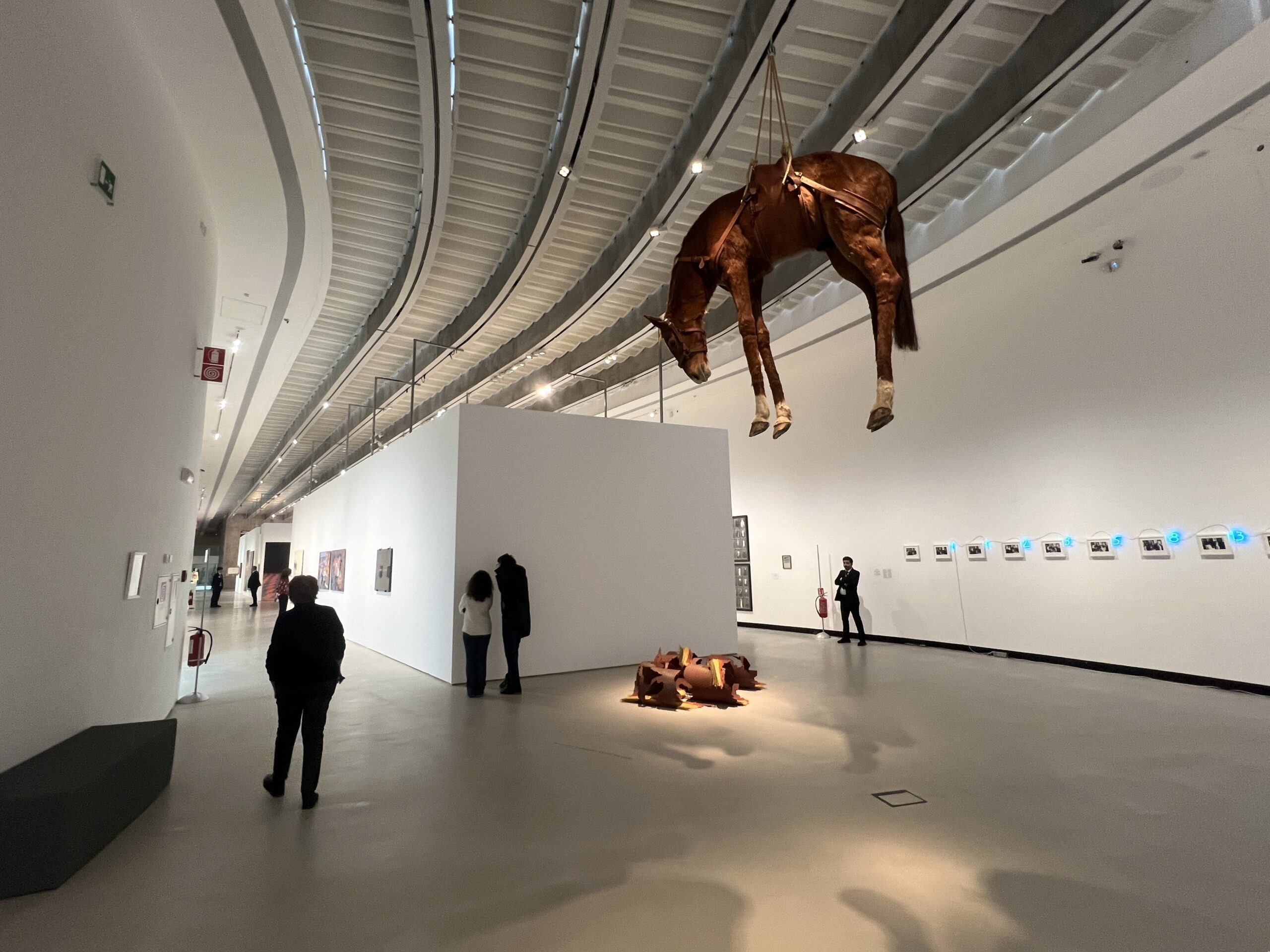
Stepping off the sun-drenched pavement of Via Guido Reni and into the cool, cavernous expanse of Zaha Hadid's architectural masterpiece is a sudden, thrilling shock to the senses. The building's sweeping concrete curves and intersecting walkways seem to defy gravity, creating a stark, ultra-modern canvas that practically begs to be filled with bold ideas. Right now, those striking gallery walls are vibrating with the explosive energy, political tension and avant-garde triumphs of an entire nation.
This is the essence of the wildly ambitious Tragicomica: Perspectives on Italian art from the mid-20th century to today exhibition. Rome has its fair share of ancient wonders and Renaissance glories, but this vast, multidisciplinary showcase pulls you firmly into the country's modern identity. Gathering the works of more than 140 artists, the collection is a deep, unflinching dive into Italy's post-war cultural production. It is a defining look at how the country rebuilt, reimagined and challenged itself, making it an absolutely essential stop for anyone wanting to look beyond the Colosseum and understand the restless, brilliant spirit of contemporary Italy.
Concrete Curves and Radical Visions
Rather than a dry chronological walk, the curation here feels like a series of vivid collisions. As you ascend the museum's ramped walkways, natural light pours through the glass ceilings, throwing sharp shadows across provocative mixed-media pieces and sleek industrial design objects. You might turn a corner to find the soft, colourful hum of neon installations casting an eerie glow against raw concrete, or be stopped in your tracks by massive, textured canvases layered so thickly with oil paint you can almost smell the turpentine.
The flow of the space encourages wandering. Design lovers will find themselves lingering over the sharp, minimalist lines of mid-century Italian graphics, while those drawn to social history can immerse themselves in radical sculptures and immersive video installations that capture the economic booms and political upheavals of the latter twentieth century. It is a masterclass in staging, where the radical architecture of the building constantly frames and re-frames the artwork, ensuring every sightline offers a completely different perspective.
The Creative Pulse of Flaminio
The energy in the galleries is noticeably different from the city's more traditional tourist hubs. You will not find umbrellas held high by tour guides here. Instead, the cavernous halls hum with a quiet, passionate intensity. The crowd is a fascinating mix of local art students huddled over sketchbooks, stylish Romans spending a slow afternoon digesting culture, and international design enthusiasts quietly pointing out the interplay between the artwork and the building's fluid architecture. The overlapping murmurs in multiple languages create a communal, in-the-know atmosphere, as visitors naturally pause together at the balustrades to look down at the massive installations commanding the lower floors.
Know Before You Go
- Beat the crowds: Mornings are noticeably quieter. Arriving just after the museum opens allows you to experience the vast architectural spaces and the art without the afternoon bustle.
- Footwear is key: The museum's layout relies heavily on long, sweeping ramps and concrete floors. Comfortable walking shoes are a must for exploring the multiple levels.
- Photography: You will want your camera for the building alone, but remember that flash is strictly prohibited in the galleries to protect the delicate mixed-media works.
- Booking pressure: With the exhibition drawing to a close in late September, weekend slots are filling up fast. It is highly recommended to secure your entry in advance to guarantee your preferred time.
- Pace yourself: With over 140 artists featured, the sheer volume of work is immense. Plan for at least two hours to properly absorb the diverse mediums on display.
Make a Weekend of It
After immersing yourself in contemporary art, a change of scenery is the perfect way to process everything you have seen. The Flaminio neighbourhood is just a short tram ride from the historic heart of the city, making it incredibly easy to transition from modern radicalism to timeless Roman tradition. Hop on the number 2 tram down to Piazza del Popolo, and you are perfectly positioned for an unforgettable lunch.
For a taste of legendary culinary history, wander through the historic centre to Ristorante Alfredo alla Scrofa. This iconic spot serves up a spectacular atmosphere alongside its world-famous pasta, making it a brilliant, theatrical contrast to the sleek minimalism of MAXXI. If you are in the mood for something with a slightly more robust, traditional flair, Osteria di Ponte is housed within a stunning 15th-century palazzo nearby, offering incredible grilled meats and classic Roman plates in a truly atmospheric setting. If your afternoon stroll takes you past the Pantheon, you might instead grab a table at Osteria da Fortunata - Pantheon to watch them roll fresh pasta by hand. Alternatively, Camillo - a Piazza Navona dal 1890 offers a wonderful vantage point for people-watching in one of Rome's most famous squares before the evening sets in.
Finally, no cultural afternoon in Rome is complete without a sweet finish. Take a leisurely stroll towards Piazza di Spagna and pop into Venchi Cioccolato e Gelato. Whether you opt for their decadent cremino or a rich dark chocolate scoop, it is the perfect companion for a late afternoon walk through the city's ancient streets.
Enjoy the exhibition, and I'll see you wandering the galleries.