Travel Tips
Visiting Rome in November: Weather, Crowds, and Practical Advice
Updated 24 October 2026
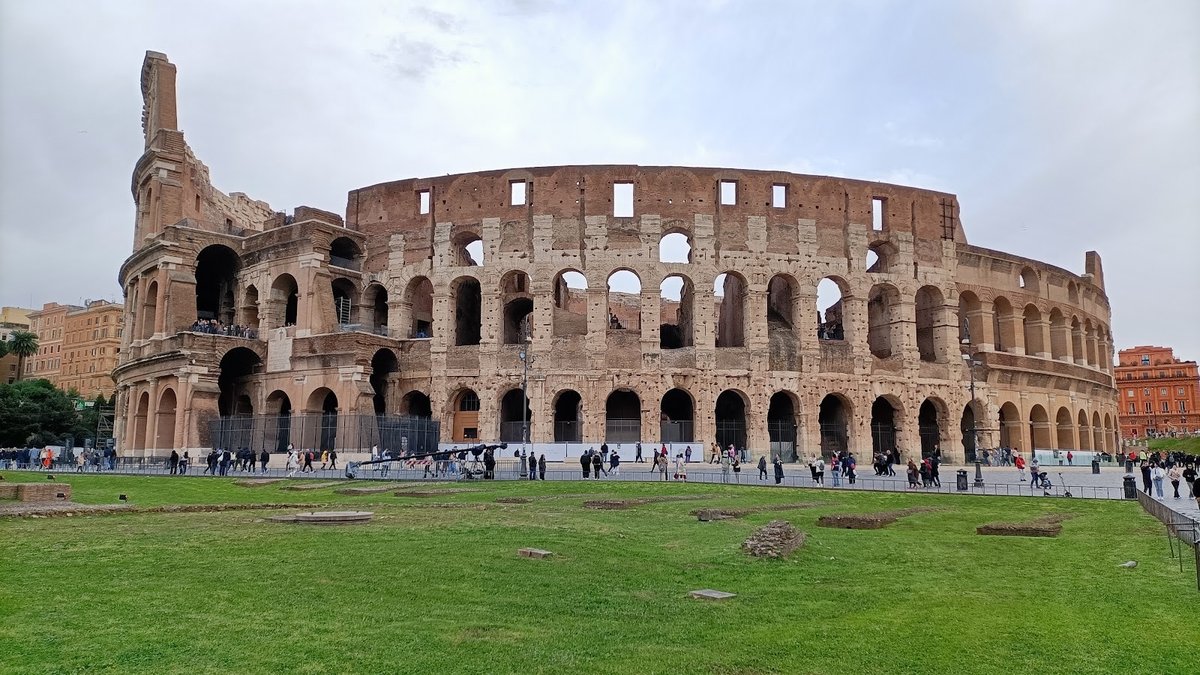
If you are weighing an autumn getaway to the Italian capital, one question inevitably tops your planning list: is November a good time to visit Rome? It is a fair query. Summer’s relentless heat waves have long departed, but winter’s festive lights have yet to illuminate the piazzas. Instead, November sits at a pivotal seasonal crossroads.
For many travelers from the UK, the United States, and beyond, visiting Rome in November represents an ideal compromise between manageable crowd volumes and mild Mediterranean conditions. However, stepping into the shoulder and off-peak season also brings distinct trade-offs, particularly around daylight and rainfall. To help you decide whether to visit Rome in November, let us break down the meteorological realities, sightseer trends, budget considerations, and essential packing strategies.
Late-Autumn Weather and Daylight Expectations
When deciding whether visiting Rome Italy in November suits your travel style, understanding the climate is vital. Historically, average November temperatures in Rome range between 7°C and 17°C (45°F to 62°F). The month behaves very differently depending on the week you arrive. Early November often retains comfortable afternoons where daytime highs hover in the upper teens, whereas visiting Rome in late November brings crisper, brisk conditions that require a sturdier outer coat.
Rain is the primary variable every autumn visitor must prepare for. November statistically ranks as the wettest month of the year in Rome, recording an average of eight to nine days of rainfall. These showers do not necessarily mean non-stop downpours all week; rain frequently arrives in short, passing bursts, interspersed with clear, atmospheric skies. However, being caught unprepared on the open cobblestones can quickly dampen an afternoon.
Daylight is another crucial factor. Following Europe's transition away from daylight saving time in late October, days contract noticeably. Throughout November, the sun rises around 7:00 AM and sets near 5:00 PM. While ten hours of daylight may feel brief compared to midsummer, it offers an advantage: the city transitions into its golden evening atmosphere before dinner, allowing you to appreciate illuminated landmarks without having to stay out late into the night.
Crowd Volumes and Major Landmark Access
One of the greatest motivations to visit Rome in November is escaping the crushing peak-season crowds. Overall, tourist volumes drop substantially across late autumn and winter. Industry tracking data indicates that Rome records no 'Busy' or 'Packed' crowd status days from November straight through February, placing this window among the calmest periods of the year. Traveling during this broader off-season window from November to March allows travelers to sidestep the overwhelming congestion typical of late spring and midsummer.
That said, crowd patterns throughout the month are not completely uniform. The very beginning of the month can feel surprisingly vibrant. November 1 marks the All Saints’ Day public holiday, which frequently creates a long holiday weekend across Italy. During this opening weekend, foot traffic around central thoroughfares remains relatively high. From the second week of November onward, however, crowd levels drop noticeably, leaving museum halls, open squares, and public avenues considerably more peaceful.
Even during this calmer period, a crucial caveat remains for premier monuments. Despite lower citywide numbers, world-famous landmarks such as the Vatican Museums and the Colosseum retain substantial international interest. You cannot simply show up expecting empty turnstiles at these marquee sites. Securing advance ticket reservations remains essential, even in the middle of November, to avoid long queues or missed entry slots. For secondary sites, lesser-known churches, and civic collections, lines are virtually non-existent.
Budget Advantages and Seasonal Food
The seasonal shift into November brings notable practical benefits beyond quieter corridors. Most notably, local accommodation providers frequently drop their room rates from the beginning of November as peak autumn bookings subside. For travelers seeking greater value or wanting their accommodation budget to stretch further, late autumn presents attractive lodging deals that vanish once the Christmas and New Year festivities arrive.
November also introduces distinctive culinary transitions. Roman dining is deeply rooted in seasonal produce, and late autumn brings an exciting calendar milestone for food enthusiasts: the official start of the local Roman artichoke harvest. By late November, authentic carciofi alla romana—tender local artichokes braised with herbs and olive oil—begin appearing on traditional trattoria menus across the city, kicking off a cherished winter dining season.
Practical Planning and Packing for November
Preparing a wardrobe for late autumn in Rome comes down to versatile layering and moisture management. Given that daytime temperatures fluctuate from chilly mornings to mild afternoons, packing adaptable garments is key. A practical November packing list should prioritize:
- Comfortable walking shoes: The city’s ancient cobblestones and uneven pavements become slippery when wet, so sturdy footwear with good grip is non-negotiable.
- Flexible layers: Light cotton shirts paired with cardigans, sweaters, or lightweight jackets allow you to adjust as temperatures climb in the afternoon sun and plunge after dark.
- Rain gear: A compact, wind-resistant travel umbrella and a water-resistant jacket or rain hat are essential daily companions in your daypack.
- A warm scarf: An indispensable accessory in Italy, a scarf provides quick warmth against chilly evening breezes along the Tiber.
In terms of daily scheduling, aligning your routine with the autumn sun will maximize your time. Starting your mornings early—around 7:30 or 8:00 AM—lets you tour open-air ancient ruins, stroll through iconic squares, and photograph fountain facades in clear daylight. When afternoon showers do roll in, take advantage of Rome's wealth of sheltered treasures, whether spending two hours inside an art gallery or relaxing in a warm neighborhood café.
The Final Verdict: Is November a Good Time to Visit Rome?
Ultimately, is November a good time to visit Rome? If your ideal vacation demands hot, guaranteed sunshine and long daylight hours, late autumn may feel a bit restrictive. But if you value breathing room, lower accommodation costs, manageable queues, and authentic seasonal food, visiting Rome in November offers one of the most rewarding and relaxed cultural travel windows of the entire year.
Cover photo: Colosseum - Yasmina Rodríguez
By Alyssa.
Sources and further information
- How busy is Rome? Busiest & quietest months, day by day
- Rome in November: What to Expect, Weather & Tips for Your Fall Visit
- Traveling Against the Crowd in Europe by Rick Steves
- Romewise | Rome by Month | Discovering Rome in November
Sources checked: 2026-10-24.