Travel Tips
Is the Roma Pass Worth It? A Practical Cost Breakdown
Updated 20 October 2026
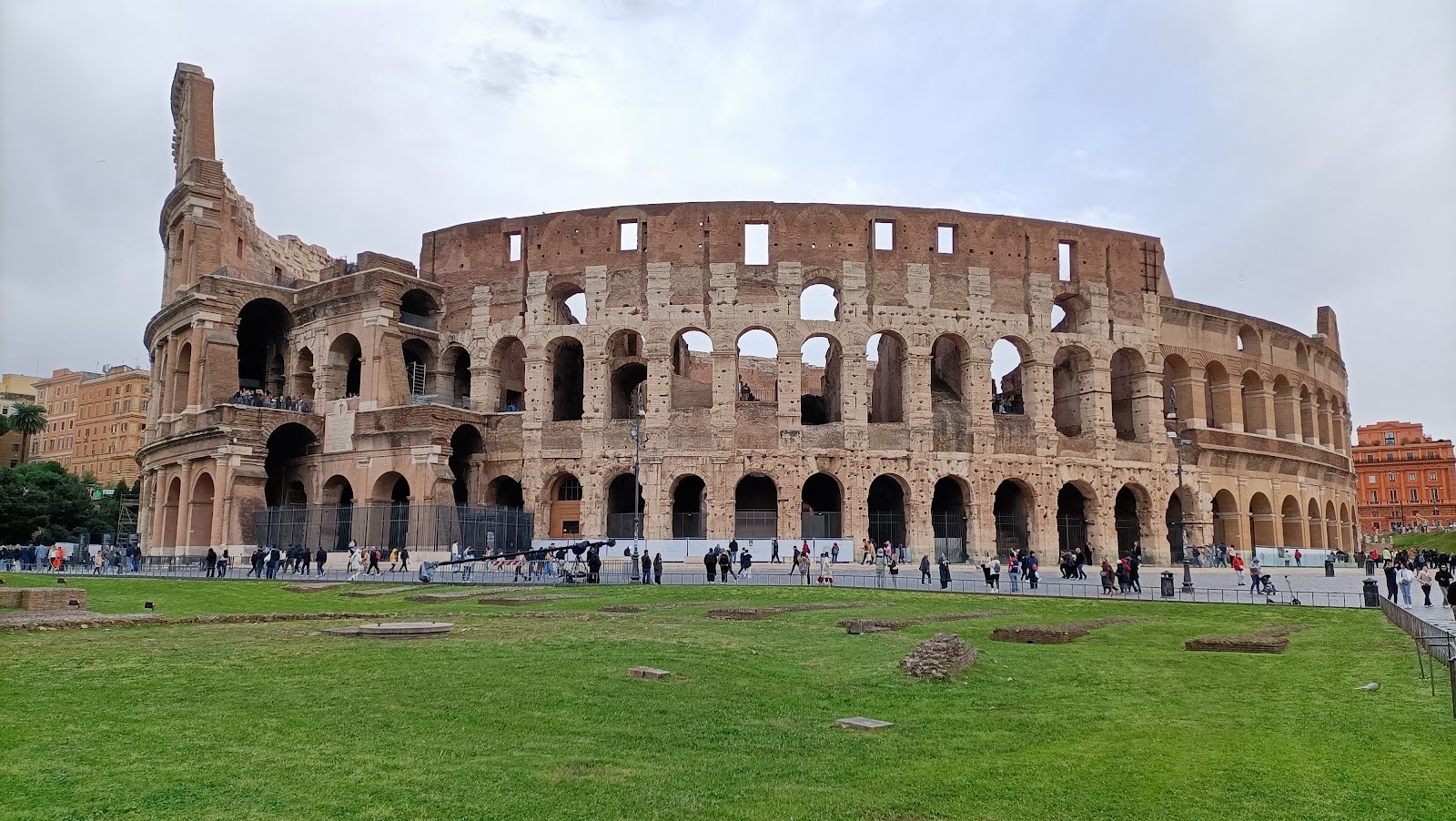
When planning a trip to the Italian capital, almost every guidebook and travel forum eventually points to one popular tool: the official city tourist card. The promise of unlimited public transit, hassle-free museum entries, and discounted admissions across dozens of cultural sites sounds like an effortless way to streamline your vacation. But does buying the Roma Pass actually save money, or does it merely add unnecessary logistical steps to your sightseeing? To help you decide whether this investment makes sense for your travel style, I have compiled an objective breakdown of the pass's real costs, admission inclusions, strict booking requirements, and everyday limitations.
How the Roma Pass Works and What It Covers
The Roma Pass is an official tourist-cultural pass sponsored jointly by Roma Capitale and the Italian Ministry of Culture, operating in collaboration with transit authorities ATAC and Cotral. It comes in two configurations:
- Roma Pass 48 Hours (€38.00): Grants free admission to your first visited museum or archaeological site. For any subsequent participating site visited within 48 hours, you pay a reduced concessionary rate at the ticket desk.
- Roma Pass 72 Hours (€62.90): Includes free admission to your first two visited cultural venues. From your third site onward, you receive reduced admission for the remainder of the 72 hours.
Both versions include unlimited rides on Rome's urban transit network (buses, trams, and metro) and complimentary access to the municipal P.Stop toilet network. Travelers can buy a physical card at Tourist Infopoints and bookshops or activate a digital pass via the official Roma Pass mobile app for iOS and Android.
Cost Breakdown: Pass vs. Paying as You Go
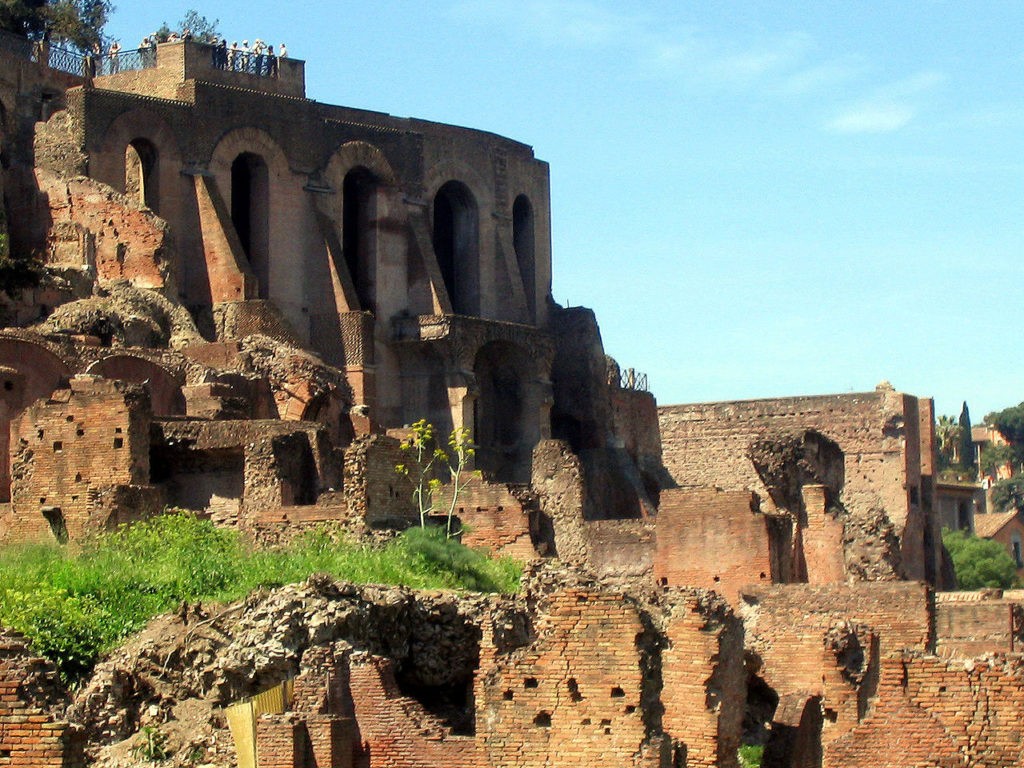
To evaluate whether either pass is financially worthwhile, we should compare standard adult admissions for top participating monuments.
The cornerstone of most Roman itineraries is the combined ticket for the Colosseum, Roman Forum, and Palatine Hill. Purchased individually, a standard adult ticket costs €18.00. This includes one timed entrance to the Colosseum (with a maximum stay of 75 minutes) and one entry to the Roman Forum and Palatine within 24 hours before or after your Colosseum booking. If you visit this complex after your free pass quota is exhausted, the reduced Roma Pass entry is €11.50, saving €6.50.
Another premier venue is Galleria Borghese, where a standard adult ticket costs €16.00 plus presale fees. The gallery enforces strict limits of 180 visitors per two-hour shift. Crucially, pass holders using free entry must still make an obligatory reservation and pay a mandatory €2.00 booking fee.
The 48-Hour Scenario (€38.00 Pass)
Using your single free admission at the Colosseum (€18.00 value) leaves a €20.00 gap to break even. Visiting a second participating venue at the discounted rate might save €4.00 to €6.50. That leaves between €13.50 and €16.00 to recover through public transit rides over two days. If you prefer walking through central neighborhoods, covering that margin on transit alone is difficult.
The 72-Hour Scenario (€62.90 Pass)
With the 72-hour card, your first two admissions are covered. Maximizing this benefit means using both free entries at the highest-priced sights: the Colosseum (€18.00) and Galleria Borghese (€16.00 face value). Together, these represent €34.00 in standard entry value.
Subtracting €34.00 from the €62.90 pass price leaves €28.90 to recoup over three days. Visiting a third or fourth attraction at the concessionary rate shaves off several euros, but you will still need consistent daily transit usage to come out ahead.
Advance Booking Rules and Practical Limitations
A widespread misconception among first-time visitors is that tourist cards allow spontaneous, walk-up entry while skipping lines. In reality, the pass does not exempt travelers from strict reservation mandates.
At high-demand locations like the Colosseum and Galleria Borghese, advance timeslot reservations are compulsory for everyone, including pass holders. At Galleria Borghese, skip-the-line privileges do not exist; visitors enter strictly by scheduled two-hour shifts, and pass holders must pre-book by telephone or online while paying the mandatory €2.00 fee. Showing up at the door with an unreserved pass will result in being turned away if slots are sold out.
Crucially, the Roma Pass does not cover Vatican City. Because the Vatican is an independent state, the Vatican Museums, the Sistine Chapel, and St. Peter's Basilica operate under separate administration and are excluded from the pass. If your itinerary prioritizes the Vatican, the pass covers only part of your sightseeing.
Who Benefits Most and When to Skip It
Because the financial margin is narrow, deciding whether the pass makes sense depends on your itinerary:
When the Pass Is Worth Buying:
- Active museum hoppers: If you plan to visit three or more major state and civic venues, free entries and subsequent discounts will steadily tip the financial balance in your favor.
- Travelers staying outside the center: If your accommodation requires daily metro, bus, or tram trips into the historic core, the transit inclusion provides genuine convenience and cost savings.
- Visitors seeking digital simplicity: Bundling public transit validation and attraction records in a single mobile app avoids buying individual paper tickets on the go.
When You Should Skip It:
- Pedestrian explorers: Rome's historic center is remarkably compact. If you walk between the Trevi Fountain, the Pantheon, and Piazza Navona, you will rarely need public transport.
- Vatican-focused itineraries: If much of your stay is dedicated to Vatican City and outdoor strolls, you will not visit enough covered municipal sites to justify the upfront cost.
- Families and European youth: Italian state and civic museums grant free admission to minors under 18, while EU citizens aged 18 to 25 pay reduced €2.00 tickets. Buying an adult pass for young travelers represents a clear financial loss.
Ultimately, the Roma Pass can be a useful tool under the right conditions, but it is not an automatic money-saver. Comparing individual ticket prices and booking your required reservations in advance will ensure you choose the most economical approach for your stay.
Cover photo: Colosseum - Yasmina Rodríguez
By Alyssa.
Sources and further information
- Roma Pass - Rome's touristic official card | Turismo Roma
- Official ticket office
- Colosseum, Roman Forum and Palatine - Parco archeologico del Colosseo
- Concessions and free admission: conditions | Musei Capitolini
Sources checked: 2026-10-20.