Exhibitions
Love and Loss on Display: Sophie Calle Arrives at MAXXI Rome

|
By Alyssa | WhatsOn local events writer Alyssa picks out timely events, local favourites and useful places to eat, stay and explore. |
Quick details
| What | Sophie Calle: Weddings, Breakups, and Funerals Included |
|---|---|
| Date | 16 October 2026 - 7 February 2027 |
| Where | MAXXI |
| More info | Event information |
| Contact | 06 320 1954 |
When celebrated French conceptual artist Sophie Calle turns her lens on the messy, heartbreaking and universally human experiences of love and loss, the result is nothing short of profound. Taking over the spectacular, sweeping curves of the city's premier contemporary art space this autumn, the highly anticipated Sophie Calle: Weddings, Breakups, and Funerals Included Rome exhibition is the crowning jewel of the 2026 cultural calendar. Far from a dry collection of distant artefacts, this is a deeply moving, voyeuristic exploration of intimacy that transforms personal trauma into striking communal art. Calle has spent decades blurring the boundaries between private life and public exhibition, famously turning her own heartbreaks, encounters with strangers, and personal bereavements into meticulously documented visual diaries. Now, her work arrives in the Eternal City, offering a breathtaking juxtaposition against Rome’s classical backdrop. It is an absolute must-see for anyone seeking an emotional, thought-provoking connection alongside their dose of modern culture.
Intimacy Inside Zaha Hadid’s Concrete Curves
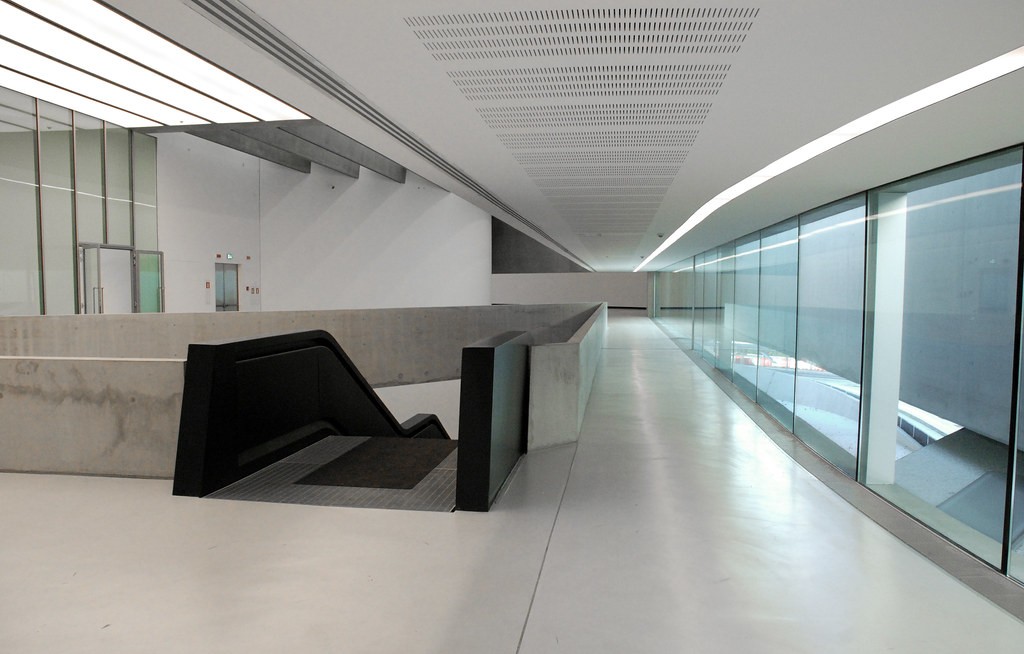
Stepping into the vast, futuristic galleries of this architectural masterpiece, you are immediately struck by a brilliant sense of contrast. The immense, sweeping concrete walls and intersecting staircases designed by Zaha Hadid create a cavernous, almost clinical setting that unexpectedly heightens the fragility of the artwork on display. Rather than being swallowed by the sheer scale of the building, the delicate, deeply personal nature of the artist's photography and text-based installations demands that you step closer, leaning in to decipher handwritten letters and scrutinise intimate portraits.
The sensory experience of the gallery shifts as you move through the thematic zones. In the expansive corridors, the echoing footsteps of visitors create a steady, rhythmic hum, but as you step into the alcoves dedicated to romantic dissolution and grief, a hushed, almost reverent quiet takes over. The standout moments are found in the quietest corners, where stark black-and-white photography sits alongside unapologetically honest confessionals. You will find yourself utterly absorbed in the minutiae of other people's lives—reading the exact words that ended a relationship, or viewing the carefully preserved objects left behind after a funeral. It is a masterful curation of human vulnerability that manages to feel simultaneously expansive and claustrophobic.
A Collective Catharsis
What truly brings this exhibition to life is not just what hangs on the walls, but the silent, shared reactions of the people standing next to you. This is not the sort of event where visitors briskly walk from canvas to canvas, politely nodding at brushstrokes. Instead, you will see a fascinating cross-section of Rome’s cultural crowd—from earnest contemporary art students sketching in the corners to couples standing shoulder-to-shoulder, completely transfixed by a single frame.
There is a palpable sense of collective catharsis in the air. Strangers frequently exchange knowing glances or sympathetic smiles over exhibits that spark a flash of shared recognition. Because the themes of romantic heartbreak and the loss of loved ones are so fiercely universal, the typical barriers between museum-goers seem to dissolve. It feels less like walking through a formal gallery and more like reading a stranger's highly guarded diary over their shoulder, surrounded by hundreds of other people feeling the exact same gut-punch of empathy. The atmosphere is warm, introspective, and beautifully human, turning a solitary viewing experience into an unspoken communal bond.
Know Before You Go
- Beat the weekend rush: While the exhibition spans several months, Saturday and Sunday afternoons draw substantial crowds. Aim for a weekday morning or a late Thursday afternoon to enjoy the quieter, contemplative atmosphere the artwork deserves.
- Getting there: The Flaminio district is well-connected but traffic-heavy. Skip the stress of parking and catch Tram 2 from Piazzale Flaminio (just outside Piazza del Popolo), which drops you a short stroll from the entrance.
- Bag policy and cloakroom: Large backpacks, umbrellas, and bulky bags must be checked into the free cloakroom on the ground floor before you head up to the galleries.
- Accessibility: The entire venue is fully accessible, with step-free entry, spacious lifts, and smoothly ramped corridors connecting all the exhibition levels.
- Ticketing: Access to this specific retrospective is included with standard museum admission. You can secure your spot and check for any late-opening events via the MAXXI official website.
Make a Weekend of It
The Flaminio neighbourhood offers the perfect starting point for a broader Roman weekend, blending tree-lined residential streets with easy access to the bustling historic centre. After an emotionally engaging afternoon navigating the depths of conceptual art, you will likely be ready for some lighthearted indulgence and exceptional local food.
Take a leisurely stroll south down Via Flaminia towards Piazza del Popolo, allowing the modern architecture to give way to Rome’s classical grandeur. From there, weave your way into the elegant streets near Piazza di Spagna to find Venchi Cioccolato e Gelato, Roma Via della Croce, Piazza di Spagna. It is the ultimate palate cleanser; their rich pistachio and utterly decadent cremino flavours are nothing short of legendary.
If you are looking to rest your feet over a proper sit-down meal, cross the river towards the Vatican district for dinner at Vinsanto Vino & Cucina. It is a wonderfully welcoming, relaxed spot known for its incredibly generous portions—their fresh Caprese salad and rustic sausage and mushroom pizza are exactly what you need after a long day of gallery walking. Alternatively, if you want to stay anchored in the historic centre, head toward the iconic cobblestones to secure a table at Camillo - a Piazza Navona dal 1890, where you can sip beautifully crafted cocktails and enjoy classic Roman plates on a charming plaza terrace. For those craving true culinary heritage, the deeply atmospheric Ristorante Alfredo alla Scrofa offers an unbeatable, luxurious lasagna Bolognese that feels like a warm Roman embrace.
I’ll see you among the quiet reflections in the gallery—just don't forget to pack a tissue or two.