Things to do

Scuola G. Cagliero e museo storico

Largo Volumnia, 00181 Roma RM

Rating: 5.0 ★ (1 rating)

Details

Scuola G. Cagliero e museo storico in Rome represents a unique intersection of education and heritage, serving as an active elementary school alongside its fascinating historical museum. This distinguished institution, designed by architect Cesare Valle and inaugurated in 1936 as part of a broader Roman school building initiative, is notable for its distinctive architectural style, featuring an engaging concave façade and an entrance canopy that hints at an expressionist influence. Positioned in the lively Appio-Tuscolano district along Via Tuscolana, a densely populated area conveniently linked to the city centre, it offers a compelling glimpse into nearly 90 years of local educational and social history, setting it apart from more conventional attractions.

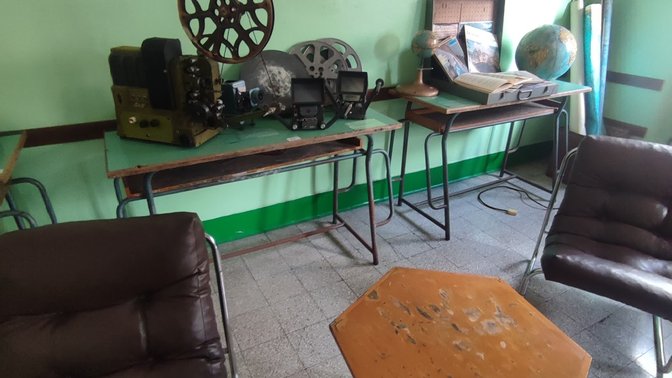
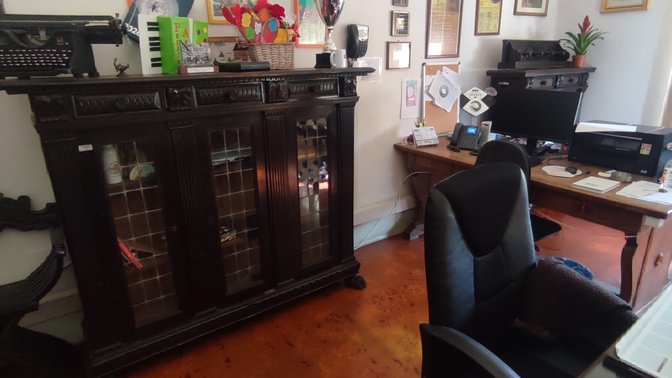
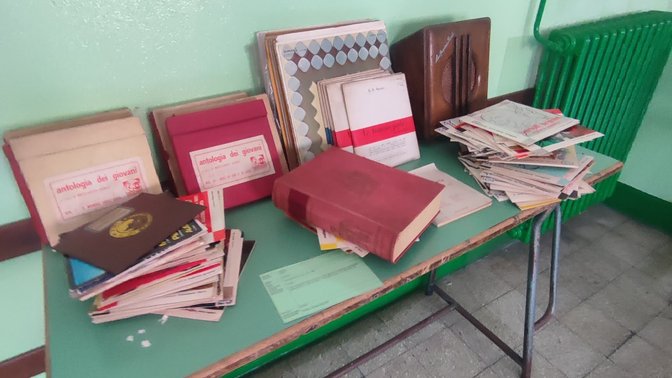
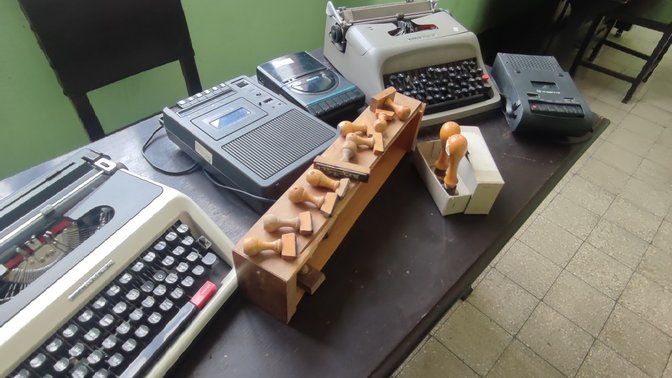
Within the museum, visitors can explore a carefully preserved collection of vintage materials, including period furniture, school furnishings, and old textbooks. A selection of original school registers and historical photographs provide a vivid narrative, helping to reconstruct the social fabric of various eras. Furthermore, the ongoing re-qualification project aims to enhance its display of 20th-century instruments, such as historic microphones and didactic tools, transforming the space into an engaging narrative set. Past visits have often encompassed guided tours, delving into the urban development of the surrounding area and recounting the school's enduring history.

This historical school and museum is ideally suited for visitors with an interest in educational history, 20th-century Italian architecture, and the evolving social landscape of Rome through a local lens. It offers a thoughtful alternative to traditional tourist routes, providing a deeper understanding of community life and historical pedagogy. The appeal lies in its distinctive ability to connect visitors with the tangible past of Roman education and daily existence, often through organised tours and cultural events that highlight its cherished collection.

Visit Website

Subscribe To Our Newsletter

Share this:

OR WhatsApp Facebook Email

Location

Contact

https://icgcagliero.edu.it/la-storia-della-nostra-scuola/

Comments

Roberto Cecchini
7 Apr 2026
5.0 ★
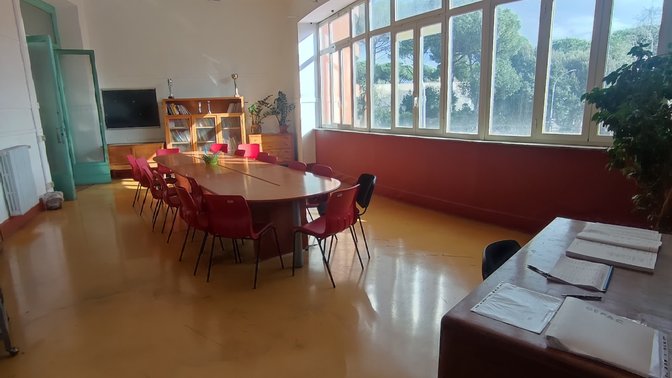
This building deserves to be included in Maps, and I'm doing so now, with this FIRST official review. The Giovanni Cagliero Elementary School in Rome's Appio Latino neighborhood, designed by architect Cesare Valle, was solemnly inaugurated on October 30, 1936, on the anniversary of the March on Rome. It's often described as "Romanized" rationalism, a Capitoline variant of the modern architecture of the 1930s, more subdued and harmonious, with a certain classical taste typical of the Governorate of Rome: clean, functional lines, yet enriched by monumental symmetries, harmonious proportions, and a certain compositional solemnity (see the beautiful entrance with its two towers, although in the original version it only had two stories; the third was later added). Before that date, starting in the 1933-34 school year, classes were housed in temporary and precarious buildings, the main one being the "Villino Berardi" at Via di Vigna Fabbri 4. Teachers at the time described it as a disheartening place, lacking heat, electricity, or teaching aids, with overcrowded classrooms accommodating up to 54 students, mostly from working-class families in dire financial straits. The move to the new building designed by Valle marked a radical change: teachers noted in their registers the immediate benefit of the "large, bright, airy, and light-filled" spaces, which fostered discipline and academic achievement. The inauguration was a regime-sanctioned ceremony, during which the students, members of the Balilla, sang patriotic and fascist hymns such as "Giovinezza" and the "Inno a Roma." A curious aspect is that, since its opening, the school was equipped with an innovative central radio system that allowed the principal to communicate with all the classrooms. This device was kept in the principal's office for decades. A few years after its inauguration, between 1942 and 1947, a bust of the Salesian Cardinal Giovanni Cagliero, for whom the school is named, was placed in the atrium and is still there today. A museum on the third floor in a disused wing perfectly recounts, through registers, photographs, instruments, testimonies, and paneling, the years that led thousands of Romans to find this a very important point of reference, as many will continue to find it today. Need some useful information? Then leave a like and look for other reviews on Rome and beyond.

SUBSCRIBE TO OUR NEWSLETTER

Join 10,000 subscribers and never miss out on events happening in Rome again!