Things to do

Resti della Villa di Domizia Lucilla

Via Santo Stefano Rotondo, 4, 00184 Roma RM

Rating: 5.0 ★ (1 rating)

Details

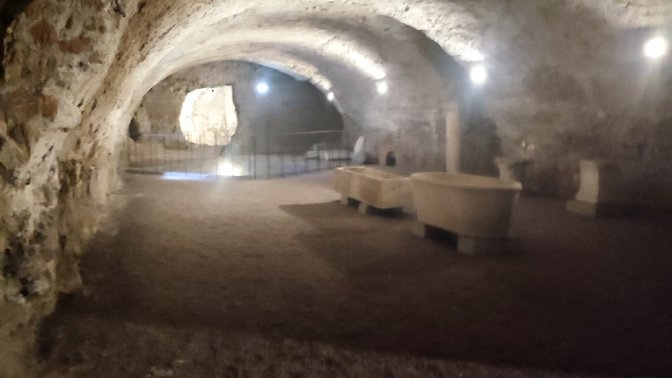
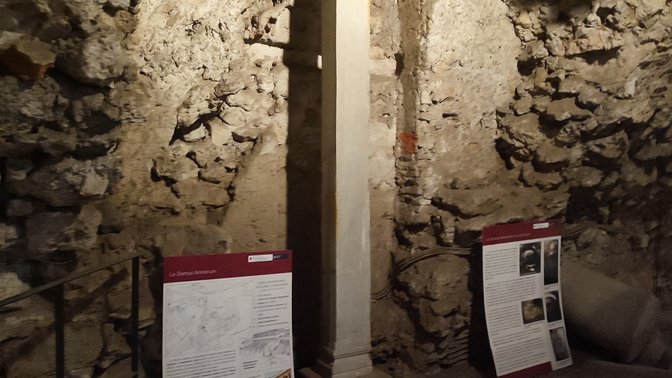
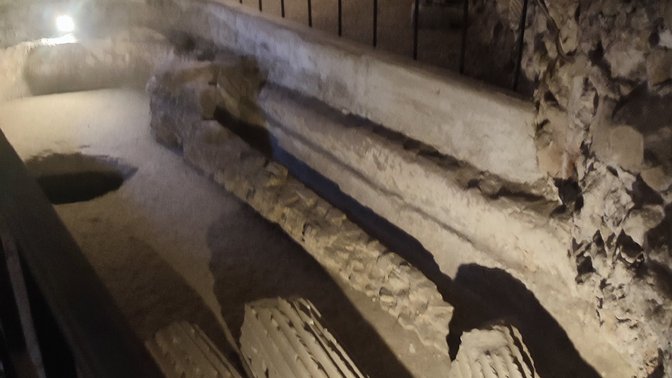
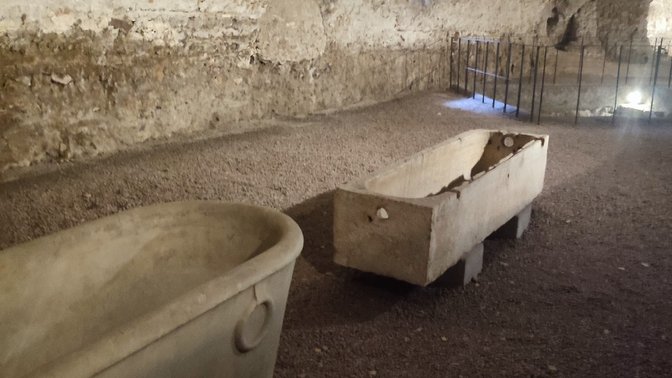
One of the hidden treasures of the archaeological area beneath the San Giovanni Hospital is located right at the corner of the square, in the basement. Access is through the small door on the opposite corner, followed by a series of internal corridors (guided tour only). This is an exceptional site, especially since its attribution, based on brick stamps and, more importantly, the name engraved on a lead fistula found in situ, traces it back to Domitia Lucilla, mother of Emperor Marcus Aurelius. Remodeled several times between the 1st and 4th centuries, it was rebuilt several times. Descending a small staircase, you find yourself just below the current roadway and immediately confront the remains of an opus sectile pavement and the remains of a colonnade. What immediately stands out is the difference between the barrel vault, oriented in a different direction (the same as the palace, editor's note) compared to the original plan of the villa. A central basin, thought to have been a nymphaeum, stands out immediately, decorated with marble reliefs depicting a procession, which were later removed. Another basin was almost certainly, at least previously, the base of the equestrian statu

Visit Website

Subscribe To Our Newsletter

Share this:

OR WhatsApp Facebook Email

Location

Contact

https://www.academia.edu/87817501/Domus_Anniorum_et_Horti_Domitiae_Lucillae_Nei_sotterranei_dellospedale_san_Giovanni_Addolorata_a_Roma

Comments

Roberto Cecchini
4 Aug 2024
5.0 ★
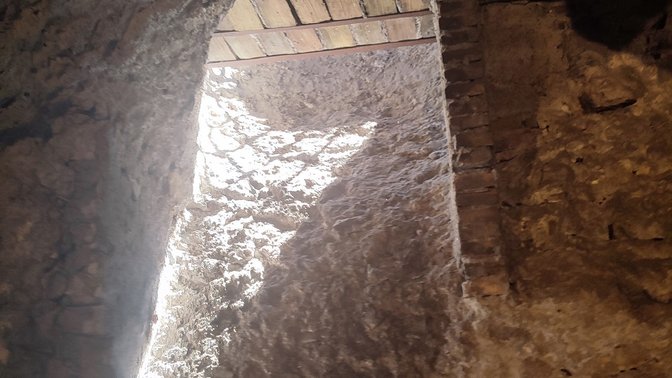
One of the hidden treasures of the archaeological area beneath the San Giovanni Hospital is located right at the corner of the square, in the basement. Access is through the small door on the opposite corner, followed by a series of internal corridors (guided tour only). This is an exceptional site, especially since its attribution, based on brick stamps and, more importantly, the name engraved on a lead fistula found in situ, traces it back to Domitia Lucilla, mother of Emperor Marcus Aurelius. Remodeled several times between the 1st and 4th centuries, it was rebuilt several times. Descending a small staircase, you find yourself just below the current roadway and immediately confront the remains of an opus sectile pavement and the remains of a colonnade. What immediately stands out is the difference between the barrel vault, oriented in a different direction (the same as the palace, editor's note) compared to the original plan of the villa. A central basin, thought to have been a nymphaeum, stands out immediately, decorated with marble reliefs depicting a procession, which were later removed. Another basin was almost certainly, at least previously, the base of the equestrian statue of Marcus Aurelius, which was visible in the Lateran until 1500 and was then moved at the request of the pope. At the end of the hall, with yet another orientation, lies another room and a door that was bricked up, likely belonging to yet another building. In the adjacent corridors are the perfectly preserved remains of the floor, with a barely visible coat of arms, and other rooms that likely belonged to a bathhouse. A very evocative place, thanks above all to the presence of some of the columns that formed the central portico. Need some useful information? Then leave a like and check out other reviews of Rome.

SUBSCRIBE TO OUR NEWSLETTER

Join 10,000 subscribers and never miss out on events happening in Rome again!