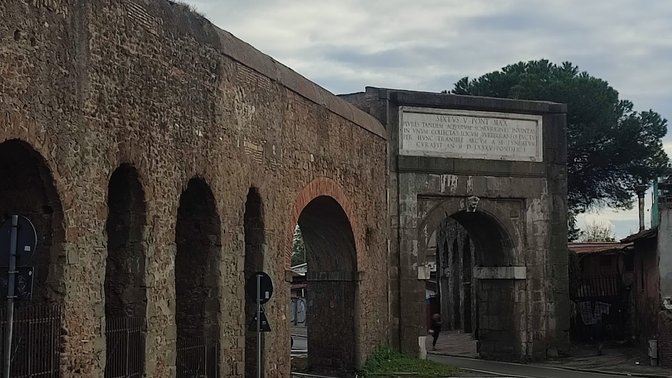
Acquedotto Felice
Via del Mandrione, 444/452, 00181 Roma RM
Rating: 5.0 ★ (1 rating)
Details
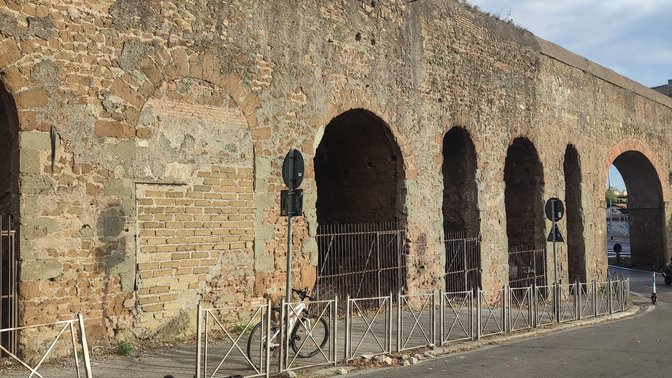
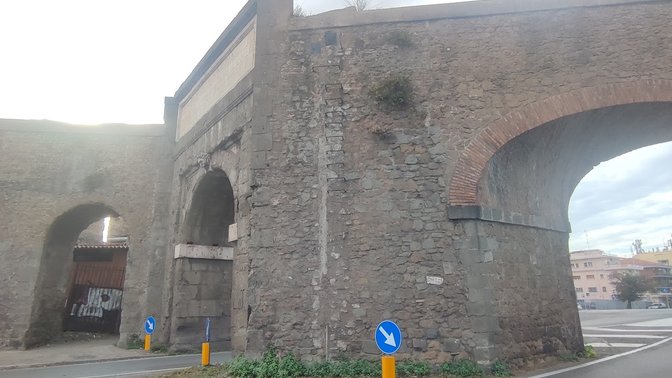
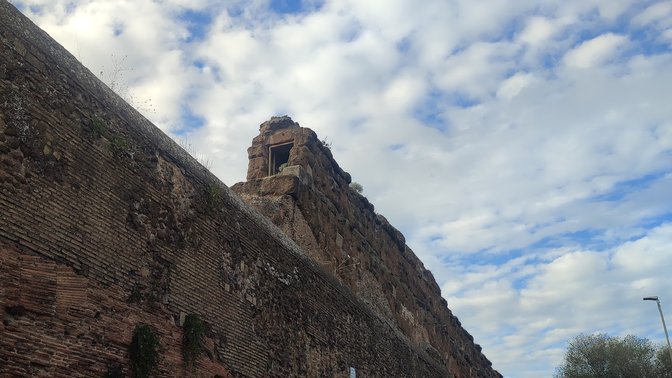
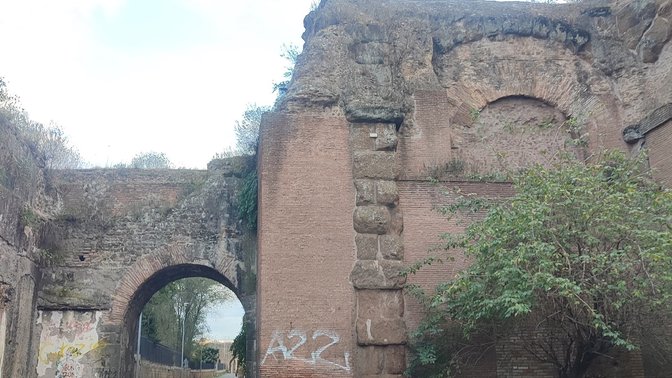
Acquedotto Felice stands as a testament to Rome's enduring engineering prowess, a magnificent aqueduct completed in 1586 under Pope Sixtus V, whose birth name, Felice Peretti, it commemorates. Stretching for miles, this impressive structure features majestic arches that gracefully traverse the landscape, offering a serene and historically rich setting. Located within the expansive Appia Antica Park, it provides a tranquil escape from the city's hustle, immersing visitors in an atmosphere where ancient ingenuity meets natural beauty.
The aqueduct's journey culminates at the impressive Fontana dell'Acqua Felice, often referred to as the Fountain of Moses, situated on the Quirinal Hill. This monumental fountain, with its central statue of Moses and marble basins flanked by Egyptian lions, served as the grand display for the newly supplied water. Around the site, informative plaques offer valuable insights into the aqueduct's construction and its profound impact on Rome's development. The location is particularly captivating for leisurely walks and photography, especially during the golden hours of sunrise or sunset, when the light casts a magical glow upon the ancient stones.
This historical landmark is perfectly suited for history enthusiasts, architecture admirers, and nature lovers seeking a peaceful experience away from the busier tourist trails. It works exceptionally well for those desiring an insightful stroll, a contemplative picnic amidst ancient ruins, or a picturesque backdrop for photography. The Acquedotto Felice ultimately appeals as an open-air museum where the intricate details of Roman engineering beautifully intertwine with the surrounding natural environment, offering a genuine glimpse into Rome's remarkable past.
Comments