Things to do

Resti dell'acquedotto Felice

Via del Mandrione, 444/452, 00181 Roma RM

Rating: 5.0 ★ (1 rating)

Details

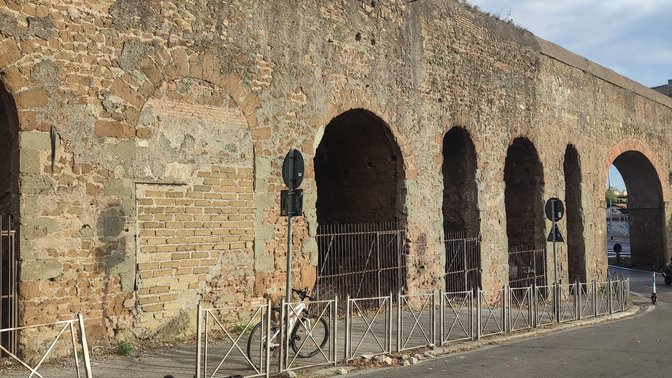
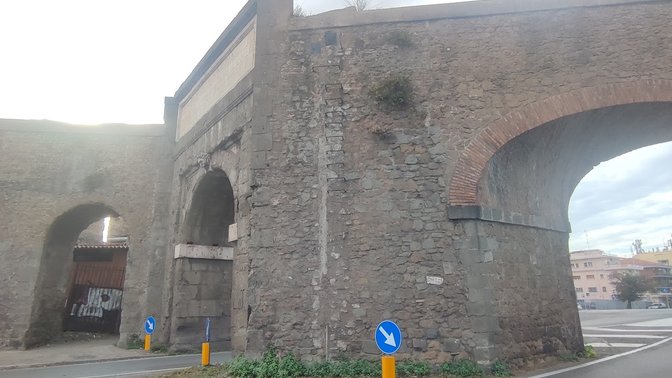
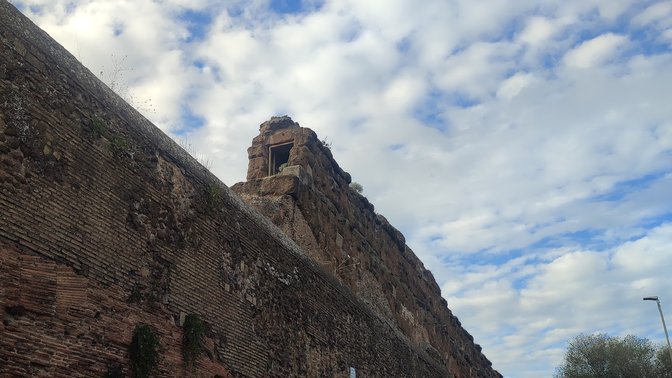
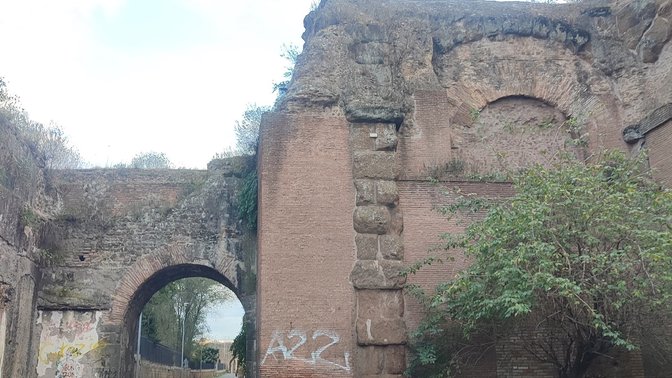
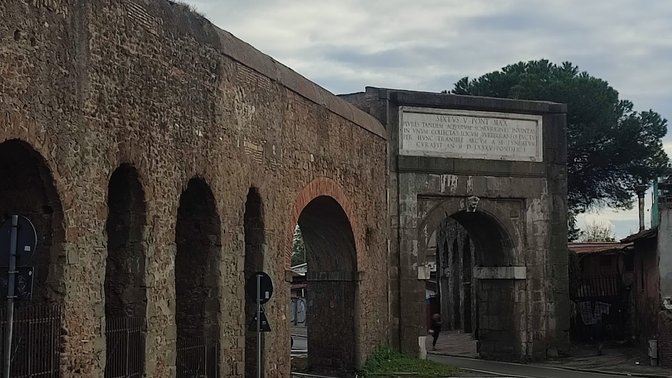
I'm adding this historic site to Maps—and obviously making it my first review—because what is the most "unfortunate" and modern of the aqueducts, despite its name (which recalls the real name of its commissioner, Sixtus V, aka Felice Peretti—Editor's note), is particularly significant at this point and enjoyed particular prestige, first with the Porta Furba (or Arch of Sixtus V) and the fountain (subsequently replaced in 1700 by Pope Clement XII), then with the appropriation of the property by the displaced people of San Lorenzo who, after the neighborhood's bombings, built shacks leaning against it along the stretch of Via del Mandrione. Built as they did in ancient times, for the construction of the aqueduct, Sixtus V did not hesitate to use materials taken from the Aqueduct of Claudius and the arches of the Aqueduct of Marcia; The new arches were thus erected over the foundations of the ancient Roman aqueducts. If you look closely, they are smaller and more sparsely spaced than the arches typical of ancient aqueducts, and have more massive piers. At the top, you can see the conduit, covered with a barrel vault to protect the water from environmental contamination. Pope Sixtus V

Subscribe To Our Newsletter

Share this:

OR WhatsApp Facebook Email

Location

Comments

Roberto Cecchini
7 Apr 2026
5.0 ★
I'm adding this historic site to Maps—and obviously making it my first review—because what is the most "unfortunate" and modern of the aqueducts, despite its name (which recalls the real name of its commissioner, Sixtus V, aka Felice Peretti—Editor's note), is particularly significant at this point and enjoyed particular prestige, first with the Porta Furba (or Arch of Sixtus V) and the fountain (subsequently replaced in 1700 by Pope Clement XII), then with the appropriation of the property by the displaced people of San Lorenzo who, after the neighborhood's bombings, built shacks leaning against it along the stretch of Via del Mandrione. Built as they did in ancient times, for the construction of the aqueduct, Sixtus V did not hesitate to use materials taken from the Aqueduct of Claudius and the arches of the Aqueduct of Marcia; The new arches were thus erected over the foundations of the ancient Roman aqueducts. If you look closely, they are smaller and more sparsely spaced than the arches typical of ancient aqueducts, and have more massive piers. At the top, you can see the conduit, covered with a barrel vault to protect the water from environmental contamination. Pope Sixtus V falsely believed he had brought the Aqua Marcia and Aqua Appia back to Rome, having duplicated the route of the aqueduct. Notice the many twists, turns, and bends this structure makes compared to the others. Need some useful information? Then leave a like and check out the other reviews on Rome and beyond.

SUBSCRIBE TO OUR NEWSLETTER

Join 10,000 subscribers and never miss out on events happening in Rome again!