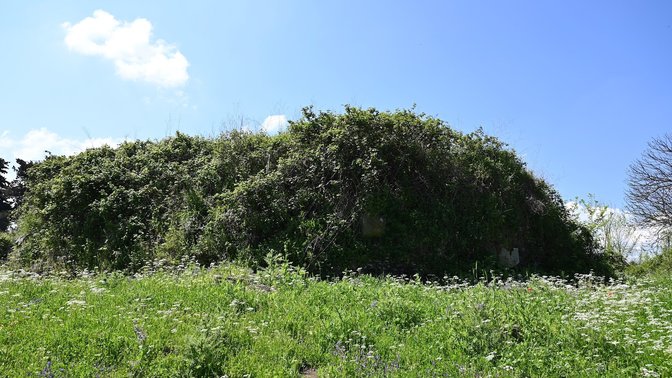
Mausoleo Circolare VIII miglio
00134 Rome, Metropolitan City of Rome Capital
Rating: 5.0 ★ (1 rating)
Details
Mausoleo Circolare VIII miglio stands as a significant ancient funerary monument along the historic Via Appia Antica, approximately at the eighth mile from Rome. This impressive circular structure, primarily preserving its concrete core, evokes a palpable sense of Roman antiquity amidst the serene and verdant landscape of the archaeological park. Its weathered remains offer visitors a tangible connection to the past, distinguished by its monumental scale and picturesque setting on one of Rome's most famous consular roads.
The mausoleum is characterised by its ample cylindrical drum, once supported by a quadrangular plinth, which would have originally been clad in travertine or peperino blocks. Traces remain of the ancient facing, and it is thought the structure was capped with a conical covering in its prime. Visitors can observe the underground funerary chamber, which is accessible from the rear, and features a Greek cross plan with a vaulted ceiling and four arcosolia designed to house sarcophagi. Recent conservation efforts have brought to light decorated blocks, hinting at its former elaborate appearance.
This site particularly appeals to those with a keen interest in Roman history, ancient architecture, and funerary practices. Ideal for contemplative strolls or as a discovery point during a longer exploration of the Appian Way, it offers a peaceful encounter with Rome's imperial heritage. The mausoleum provides a compelling glimpse into the enduring grandeur of Roman burial customs, making it a rewarding stop for visitors seeking both historical insight and a quiet appreciation of archaeological remains.
This is a little-known place, not featured in many guides, which I have been documenting photographically since 2022 and which, over time, I have included and reviewed. A place at risk of disappearing twice: first from collective memory and then even from digital maps.
I am happy to republish this updated and expanded account, in the belief that some urban details deserve to be rediscovered and highlighted.
WHERE IT IS LOCATED:
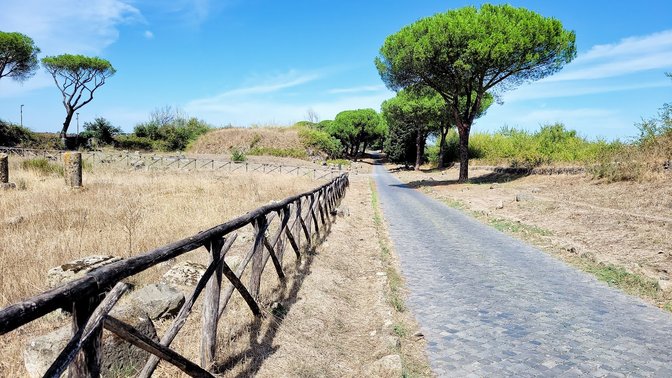
This circular mausoleum is located near the so-called Temple of Hercules, in the IX District (Appio Latino), at the eighth mile on the right of Via Appia Antica at number 400.
Given its importance in ancient times, this road was called "regina viarum" (queen of roads), in the evocative Archaeological Park of the same name.
HISTORY AND ARCHITECTURE BRIEF:
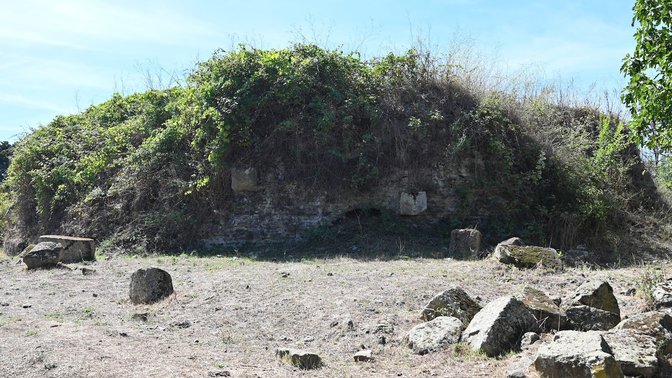
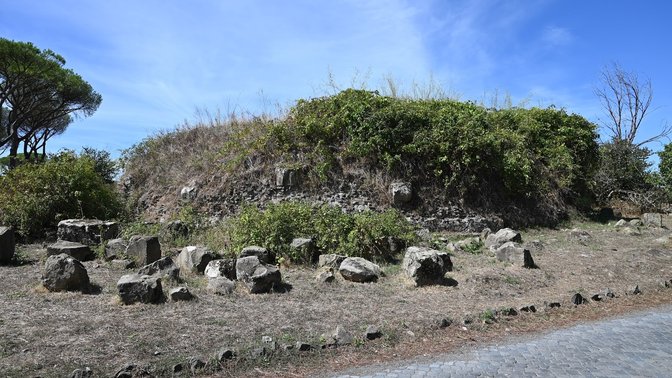
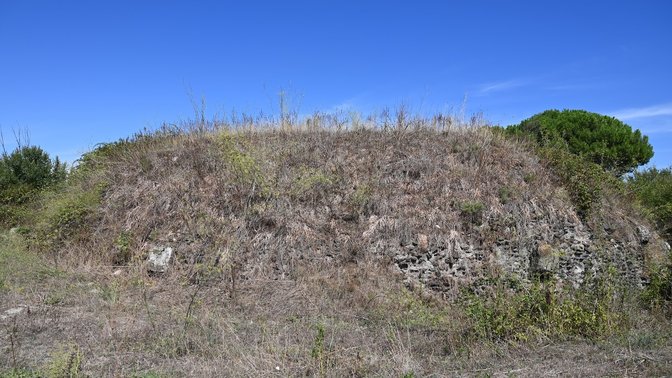
Unfortunately, especially in the summer, this site is almost completely covered by overgrown vegetation.
It is a concrete tomb from the Imperial period, with a circular tambour and probably originally covered by a cone-shaped roof.
On the core, a few traces of the covering are visible, some resting on the ground in front.
It is assumed that the decoration consisted of a series of bas-relief blocks depicting acanthus shoots and flowers, as suggested by the discovery of a block of peperino stone at the foot of the monument, which would date it to the Augustan era.
Some attribute it to the scribe questorius Pompeius Maius, whose epigraph from the 1st century AD can still be seen about 200 meters earlier: M POMPEIVS M F/MAI/SCR Q
FUN FACT: DID YOU KNOW THAT...?
Along the Appian Way, mausoleums were truly family monuments, symbols of prestige and memory.
Many of them were decorated with plant reliefs because, in Roman culture, acanthus represented rebirth and vitality.
In summer, vegetation almost completely envelops it, making it almost a "hidden treasure" that emerges only to those who know how to observe.
A PERSONAL EXPERIENCE:
It is not marked by large tourist signs; it is a place you stumble upon almost by chance, without crowds of visitors.
But those who discover it are fascinated. It is an invitation to slow down, observe, and be surprised.
The ancient paving plays an important role, making the gaze linger, as if wanting to continue the story.
Photographing this place means capturing a fragment of history.
It is a small sign that encapsulates the imagery of an entire era.
IN CONCLUSION:
The Appian Way unfolds between trees and ancient stones. A journey that combines nature, archaeology, and memory.
If this place has piqued your curiosity, let Rome continue to surprise you. Explore my other reviews to discover a secret city, full of details, emotions, and timeless wonders.