Things to do

Porta Portese

Piazzale Portuense, 8, 00153 Roma RM

Rating: 5.0 ★ (1 rating)

Details

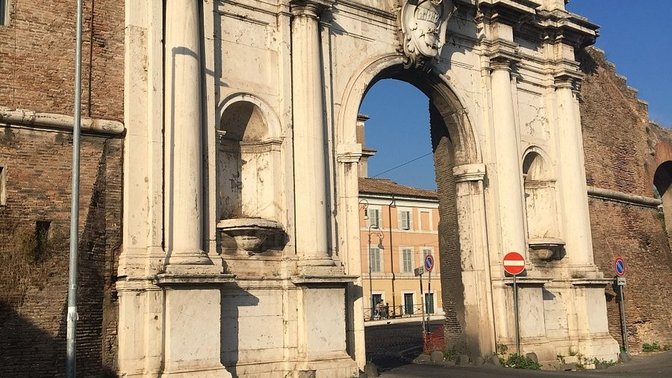
Porta Portese is Rome's most famous and largest flea market, a vibrant and bustling Sunday ritual for locals and an essential stop for visitors. Situated in the characteristic Trastevere district, near the ancient 17th-century city gate from which it takes its name, the market exudes a lively atmosphere filled with the sounds of vendors and the chatter of shoppers. This sprawling outdoor market stands out as a captivating kaleidoscope of colours and cultures, offering a unique glimpse into authentic Roman life.

Stretching over two kilometres with more than a thousand stalls, Porta Portese presents a veritable treasure trove of diverse goods for exploration. Visitors can delight in searching for antiques, vintage clothing, electronics, books, furniture, and an eclectic mix of household items, records, and handicrafts. The art of bargaining is a customary part of the experience, allowing for engaging interactions with vendors amidst the vibrant Roman commerce.

This iconic market particularly suits those keen to uncover unique finds, vintage enthusiasts, and anyone desiring an immersive cultural experience in Rome. It is ideal for a relaxed Sunday morning visit, though arriving early is highly recommended to navigate the crowds and discover the best bargains. Porta Portese’s enduring appeal lies in its dynamic spirit and rich tapestry of history, making it an integral part of Rome’s cultural fabric.

Visit Website

Subscribe To Our Newsletter

Share this:

OR WhatsApp Facebook Email

Location

Contact

https://www.romanoimpero.com/2018/10/porta-portuensis-porta-portese.html

Comments

Roberto Cecchini
3 May 2025
5.0 ★
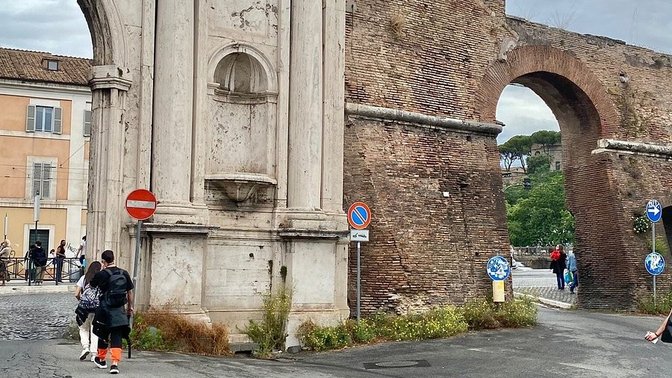
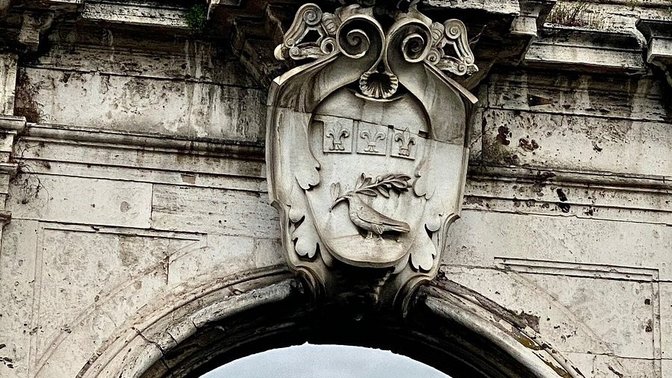
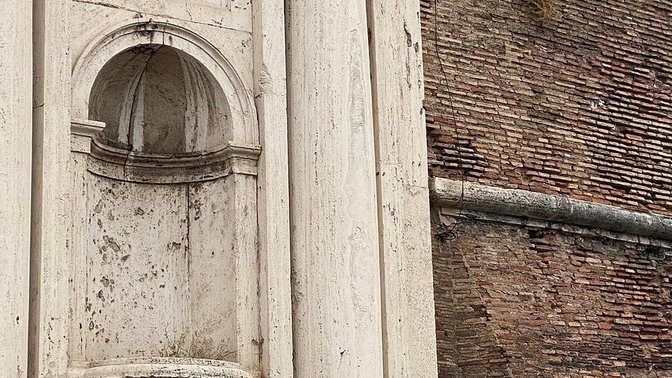
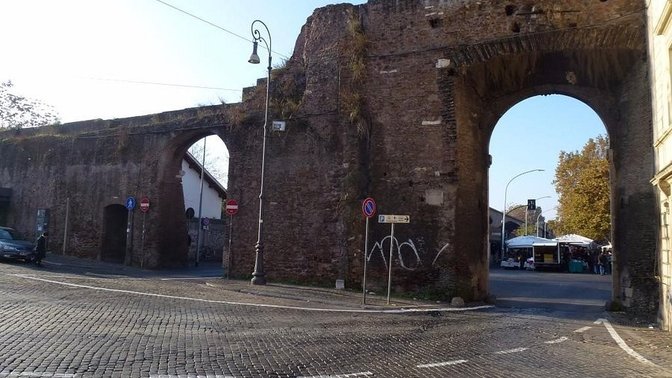
Here we go again. It seems impossible to distinguish between the ancient gate and the market that took its name, held next to it. The more I add it, the more it gets removed, or some careless person writes reviews about the Sunday market. But they are two distinct things (a bit like someone who identifies the breach with Porta Pia or Porta Asinaria with Porta San Giovanni). Now I've put it back and let you know what it's about. In fact, the current name is a corruption of the original, which took its name from the Via Portuense, which this gate guarded within the Aurelian Walls, with its two arches and two towers. The road led to the port of Claudius (and later Trajan) and it was probably Emperor Claudius himself who commissioned it (and in fact Fiumicino is a derivation of the ancient toponym which meant Small Mouth with reference to one of Trajan's ditches). The original gate was not here but about a hundred meters away and the one we see was rebuilt by Urban VIII in the mid-1600s to be inserted into the Janiculum walls that joined the Leonine ones to defend the Janiculum (but his coat of arms is not there but that of his successor Innocent X). Using part of the materials of the previous gate, this one was built in a different style (somewhat reminiscent of the Porta Paolina near the Vatican) and with only one entrance, although the previous one - renovated under Honorius - had two arches, one of which has since been walled up: don't get confused, the one you see today next to it was opened for traffic reasons as in many other parts of the walls. This gate is majestic on the outside but insignificant from the inside. The two niches may have been designed to house statues, but there's no trace of them. Today, it's very neglected, and tourists rarely notice it or connect it to the ancient port of Ripa Grande, which once stood a few dozen meters away and of which there's no trace. It should be enhanced. Need some useful information? Then leave a like and check out the other reviews on Rome and beyond.

SUBSCRIBE TO OUR NEWSLETTER

Join 10,000 subscribers and never miss out on events happening in Rome again!