Things to do

Mausoleo detto Il Torrione

Via Prenestina, 00176 Roma RM

Rating: 5.0 ★ (1 rating)

Details

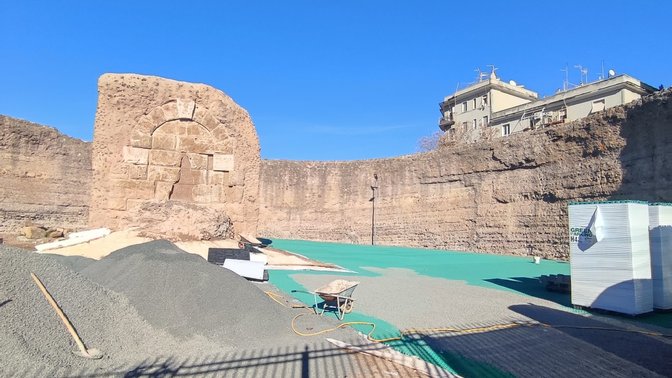
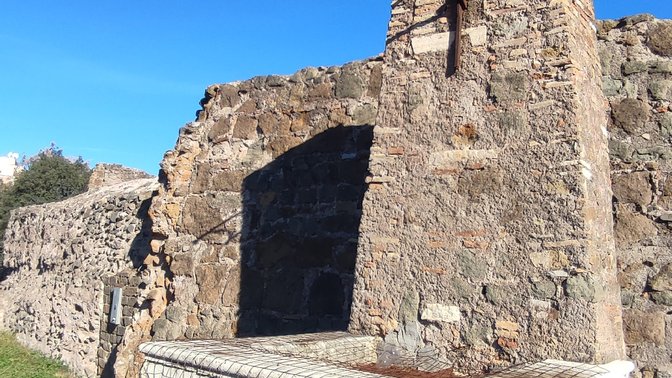
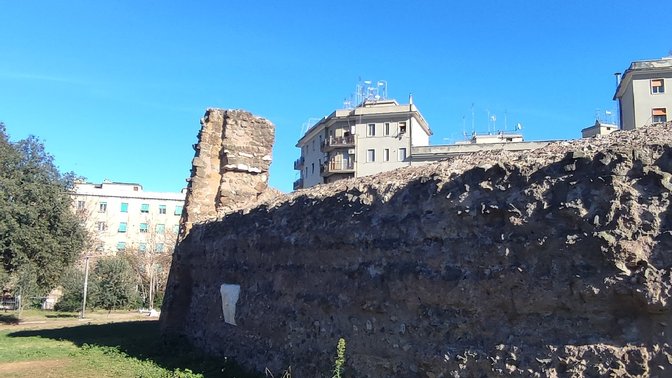
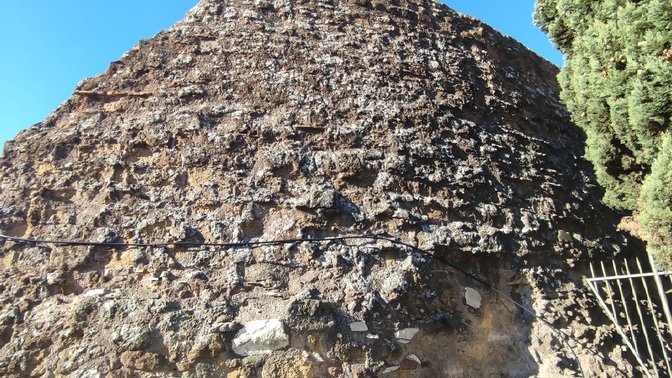
Mausoleo detto Il Torrione stands as one of Rome's most imposing ancient funerary monuments, a testament to Augustan-era grandeur. This substantial circular tumulus tomb, boasting an impressive diameter of approximately 41 metres, is found along the historic Via Prenestina, not far from Porta Maggiore. Its original character, once adorned with travertine blocks, has evolved over centuries; in the Middle Ages, it was notably fortified, giving rise to its enduring name, "The Great Tower." Despite the changes wrought by time and urban development, its sheer scale distinguishes it as one of the largest mausoleums in the city, second only to those of Augustus and Monte del Grano.

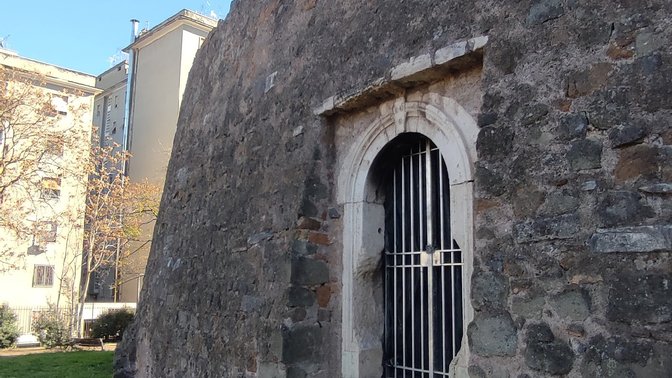
While the original recipient of this monumental burial place remains unknown, its immense size strongly suggests it belonged to a person of considerable standing in ancient Roman society. The mausoleum once featured an entrance on the opposite side of Via Prenestina, leading into a burial chamber containing three rectangular niches. Over the centuries, it has served various purposes, including being used as a cellar by the Rufini family in the 15th century, whose family crest is thought to be visible on the entrance portal. However, please note that the monument is currently closed to the public for safety reasons, meaning visitors can appreciate its impressive exterior only.

For those with a keen interest in Roman archaeology and the less-frequented historical sites of the Eternal City, this mausoleum offers a fascinating glimpse into ancient funerary practices. It particularly appeals to history enthusiasts, academics, and curious travellers who enjoy uncovering Rome's layered past. A visit here works well for independent explorers seeking a moment of contemplation amidst the city's bustling energy, appreciating the enduring legacy of a high-ranking individual from the Augustan age, even if its internal spaces are not presently accessible.

Visit Website

Subscribe To Our Newsletter

Share this:

OR WhatsApp Facebook Email

Location

Contact

https://www.sovraintendenzaroma.it/i_luoghi/roma_antica/monumenti/mausoleo_detto_il_torrione

Comments

Roberto Cecchini
7 Apr 2026
5.0 ★
It's stunning and currently being enhanced. Since there's a lot of confusion between the monument and the park surrounding it (from which it takes its name), with all the events that bring it to life, especially in the summer, I'm clarifying the situation by adding the historic site to Maps and writing this FIRST review. The Mausoleum, known as "Il Torrione," is one of the most impressive funerary monuments of ancient Rome, located on a street (Via Prenestina) that also features a similar mausoleum a little further on (at Villa Gordiani). It's a large circular tomb, approximately 41 meters in diameter, built between the end of the 1st century BC, during the Augustan era. If you get off the ring road, you'll find it on the left, more imposing than ever. The structure was conceived as a monumental tumulus: a tall cylindrical base made of Roman concrete, originally covered with travertine blocks, which have now disappeared. Inside is a central burial chamber, likely intended for a high-ranking burial, reached via a ring-shaped corridor that runs along the monument's internal perimeter. This system allowed access to the tomb and distributed the structure's weight. Despite its size and monumentality, the name of the person for whom the mausoleum was built is unknown. Over the centuries, the monument has undergone numerous transformations: in the Middle Ages, it was incorporated into a vineyard and adapted for agricultural use. In the 15th century, the Rufini family transformed it into a winery and added a two-story tower, hence the name "Torrione" (the tower, however, no longer exists; what you see was not its base, Editor's note). Between the late 16th century and the modern era, the complex passed to the Irish Dominican Fathers, who built a rural farmhouse and a well (which still exists!), later remodeled in the 19th century. After World War II, the mound of earth covering the mausoleum was removed, and part of the structure was demolished when the road was widened. Today, the monument is still closed to the public, but it remains a significant testament to Roman funerary architecture and the historical stratifications that transformed ancient monuments over time. It's beautiful and worth a stroll around the well-kept garden surrounding it. Need some useful information? Then leave a like and check out my other reviews of Rome and beyond.

SUBSCRIBE TO OUR NEWSLETTER

Join 10,000 subscribers and never miss out on events happening in Rome again!