Things to do

Il Mausoleo circolare detto "Torrione" prenestino

Via Prenestina, 00176 Roma RM

Rating: 5.0 ★ (1 rating)

Details

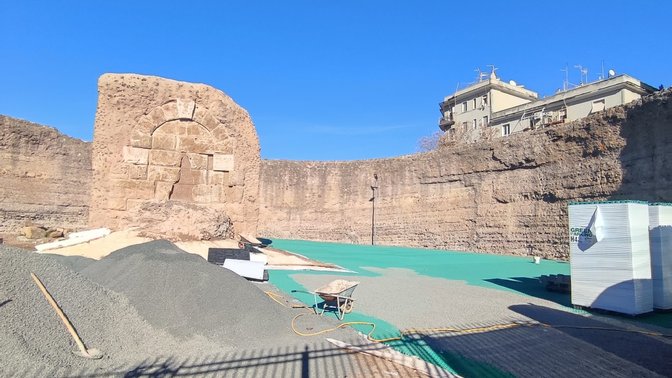
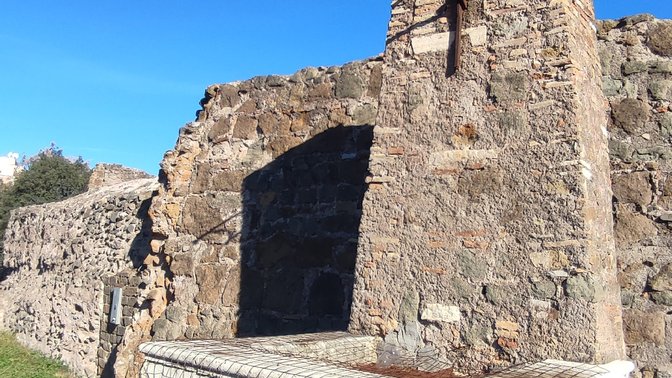
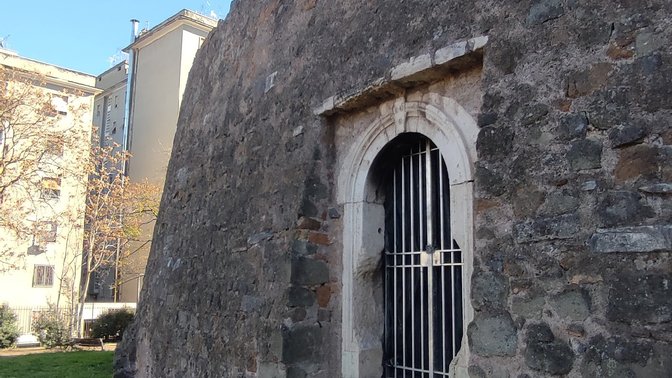
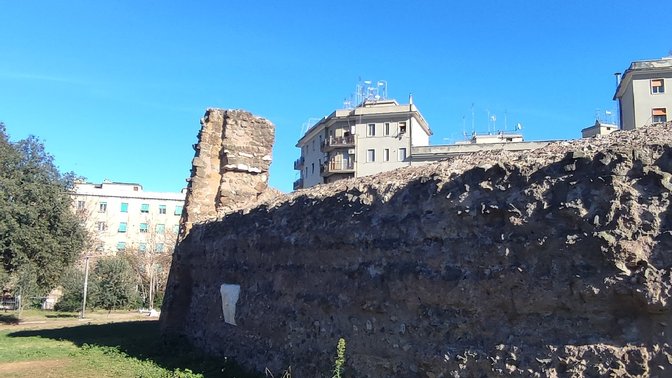
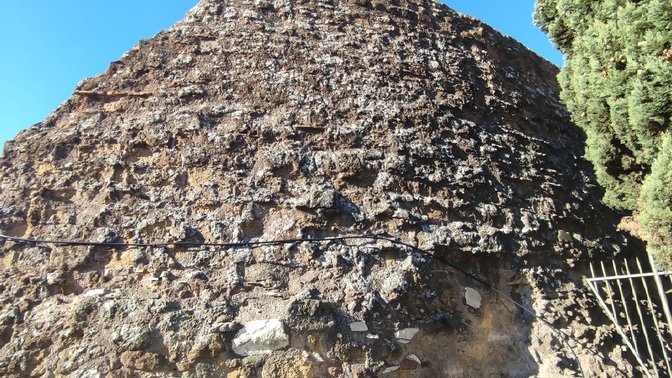
Il cosiddetto Torrione era uno dei più grandiosi mausolei di Roma a forma di tumulo contenuto in un poderoso tamburo circolare (circa m. 41 di diametro) che doveva essere rivestito esternamente da blocchi di travertino dei quali oggi non resta traccia.

Visit Website

Subscribe To Our Newsletter

Share this:

OR WhatsApp Facebook Email

Location

Contact

https://www.sovraintendenzaroma.it/i_luoghi/roma_antica/monumenti/mausoleo_detto_il_torrione

Comments

Roberto Cecchini
7 Apr 2026
5.0 ★
It's stunning and currently being enhanced. Since there's a lot of confusion between the monument and the park surrounding it (from which it takes its name), with all the events that bring it to life, especially in the summer, I'm clarifying the situation by adding the historic site to Maps and writing this FIRST review. The Mausoleum, known as "Il Torrione," is one of the most impressive funerary monuments of ancient Rome, located on a street (Via Prenestina) that also features a similar mausoleum a little further on (at Villa Gordiani). It's a large circular tomb, approximately 41 meters in diameter, built between the end of the 1st century BC, during the Augustan era. If you get off the ring road, you'll find it on the left, more imposing than ever. The structure was conceived as a monumental tumulus: a tall cylindrical base made of Roman concrete, originally covered with travertine blocks, which have now disappeared. Inside is a central burial chamber, likely intended for a high-ranking burial, reached via a ring-shaped corridor that runs along the monument's internal perimeter. This system allowed access to the tomb and distributed the structure's weight. Despite its size and monumentality, the name of the person for whom the mausoleum was built is unknown. Over the centuries, the monument has undergone numerous transformations: in the Middle Ages, it was incorporated into a vineyard and adapted for agricultural use. In the 15th century, the Rufini family transformed it into a winery and added a two-story tower, hence the name "Torrione" (the tower, however, no longer exists; what you see was not its base, Editor's note). Between the late 16th century and the modern era, the complex passed to the Irish Dominican Fathers, who built a rural farmhouse and a well (which still exists!), later remodeled in the 19th century. After World War II, the mound of earth covering the mausoleum was removed, and part of the structure was demolished when the road was widened. Today, the monument is still closed to the public, but it remains a significant testament to Roman funerary architecture and the historical stratifications that transformed ancient monuments over time. It's beautiful and worth a stroll around the well-kept garden surrounding it. Need some useful information? Then leave a like and check out my other reviews of Rome and beyond.

SUBSCRIBE TO OUR NEWSLETTER

Join 10,000 subscribers and never miss out on events happening in Rome again!