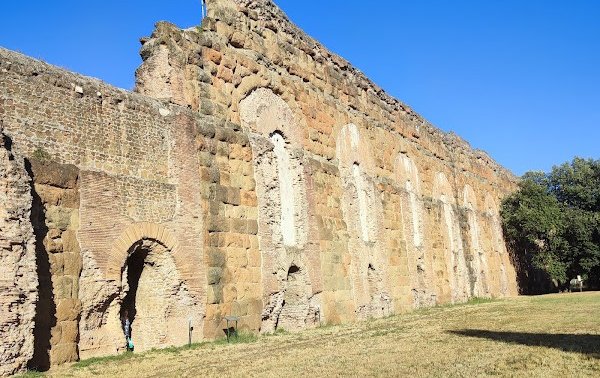
Porta Furba
Largo Bastia, 00181 Roma RM
Rating: 5.0 ★ (1 rating)
Details
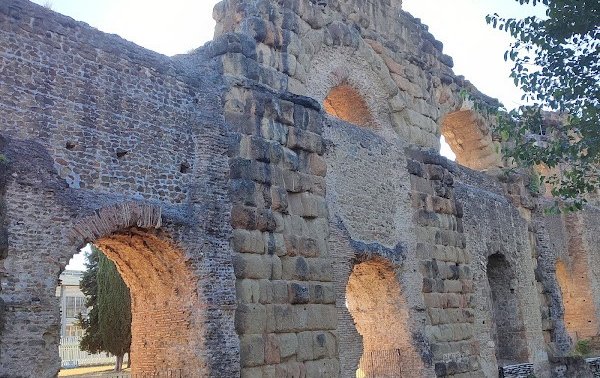
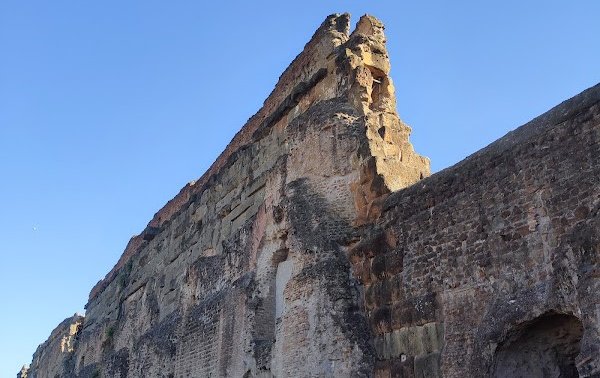
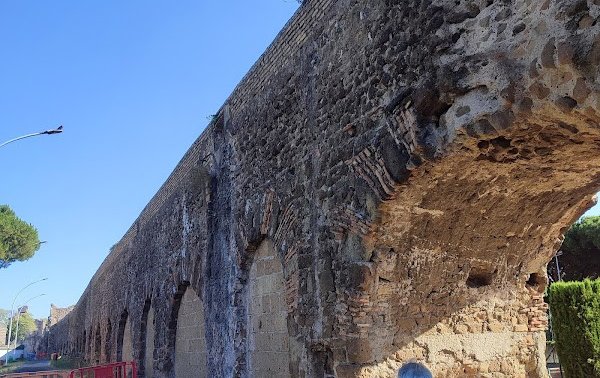
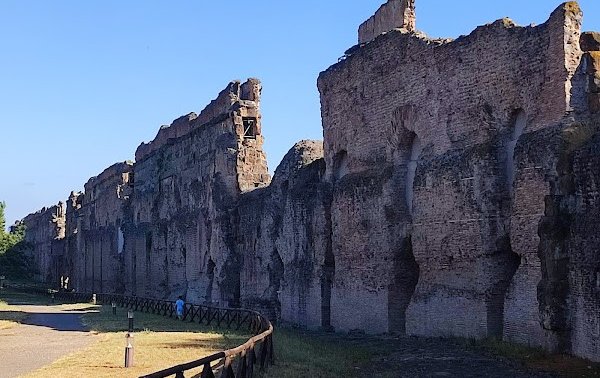
Porta Furba is a striking 16th-century city gate, adorned with distinctive archways and stone decorations, situated along Rome's Via Tuscolana. This historical landmark, built in 1585 under Pope Sixtus V, formed a crucial part of the Aqua Felice aqueduct system, demonstrating a blend of practical Roman engineering and urban development from the era. The gate's character stems from its enduring presence as a significant crossing point, with its intriguing name, "Furba" (meaning "cunning" or "clever"), reflecting the resourceful merchants and travellers who once frequented the area. It provides a fascinating glimpse into a less-explored facet of Rome's rich history and infrastructure.
Visitors can admire the impressive architectural features of Porta Furba itself, including the detailed stone carvings and inscriptions that commemorate its papal origins. Though not part of Rome's ancient city walls, its formidable gate-like appearance is notable. While the immediate vicinity is largely residential, it serves as a gateway to exploring the local Tuscolana district. Nearby, one can find the Mausoleum of Monte del Grano, offering additional historical interest within walking distance.
This unique site particularly appeals to history enthusiasts and those keen to discover Rome beyond the bustling tourist hotspots. It is well-suited for travellers seeking a more authentic local atmosphere, offering a tranquil base with excellent transport links via the Porta Furba-Quadraro Metro station for reaching central attractions. Its appeal lies in its quiet charm and the opportunity to experience a different, yet equally rich, layer of Roman heritage.
Location
Contact
https://www.sovraintendenzaroma.it/cosa_facciamo/attivita_sul_territorio/didattica/i_giganti_dell_acqua5
Comments