Forte Appia
RGRH+HR, 00178 Rome, Metropolitan City of Rome Capital
Rating: 5.0 ★ (1 rating)
Details
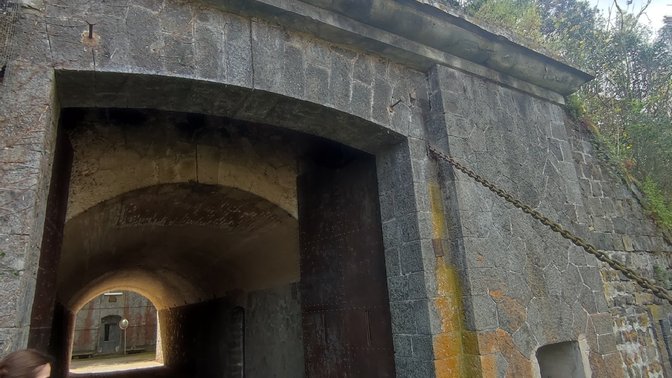
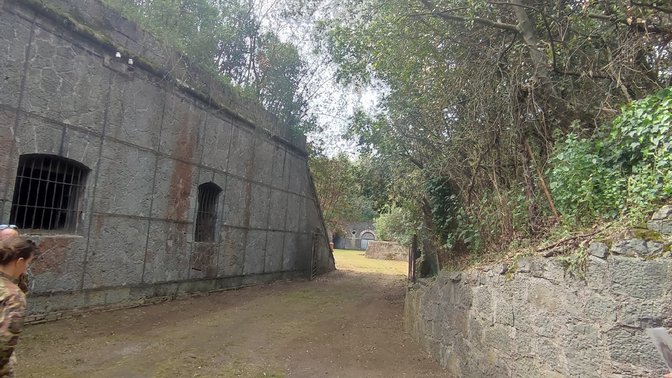
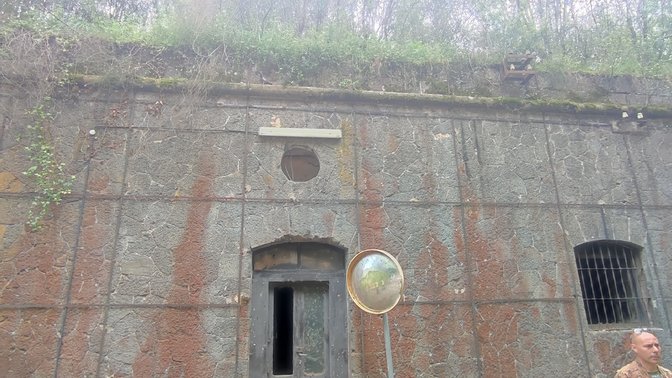
Forte Appia is a remarkable defensive structure dating from between 1877 and 1880, holding the distinction of being the first fort built on the left bank of the Tiber in Rome. This formidable edifice formed a vital part of the city's "fortified camp," a comprehensive ring of military installations established for the capital's defence. Set within the evocative Appia Antica Archaeological Park, its trapezoidal layout, complete with a broad moat, conveys a strong sense of its historical military purpose. Notably, its construction led to the discovery of an extensive Roman necropolis, dating from the Augustan era up to the 3rd century AD, with many findings later transferred to the Mausoleum of Cecilia Metella. This unique blend of 19th-century military architecture and ancient Roman archaeology makes it a standout site for those exploring Rome's layered past.
While access to Forte Appia itself is restricted due to its ongoing status as a military installation requiring special permission, its exterior remains a compelling historical landmark. The fort's significance as an integral part of Rome's late 19th-century defensive strategy is clearly evident in its robust design. An important feature is the archaeological revelation linked to its origins: the unearthing of a substantial Roman necropolis during its construction provides a tangible connection to the ancient world. Visitors can appreciate the fort's imposing presence and its historical context within the broader landscape of the Appian Way, where many other significant ancient Roman sites are openly accessible.
Forte Appia especially appeals to history enthusiasts and those with a keen interest in military architecture and urban defence systems. It offers an intriguing point of interest for visitors exploring the rich tapestry of the Appia Antica Archaeological Park, complementing the ancient ruins with a glimpse into more recent Roman history. Ideal for those seeking an off-the-beaten-path experience, perhaps as part of a scenic walk or cycle along the ancient Appian Way, observing the fort from its perimeter provides a unique perspective on Rome's evolving protective measures. Its overall appeal lies in its quiet dignity and its unexpected archaeological connections, providing a fascinating counterpoint to the more ancient wonders nearby.
Comments