Things to do

Forte Appia

RGRH+HR, 00178 Rome, Metropolitan City of Rome Capital

Rating: 5.0 ★ (1 rating)

Details

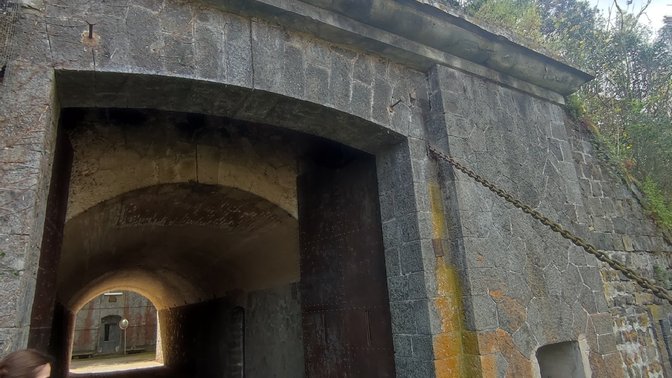
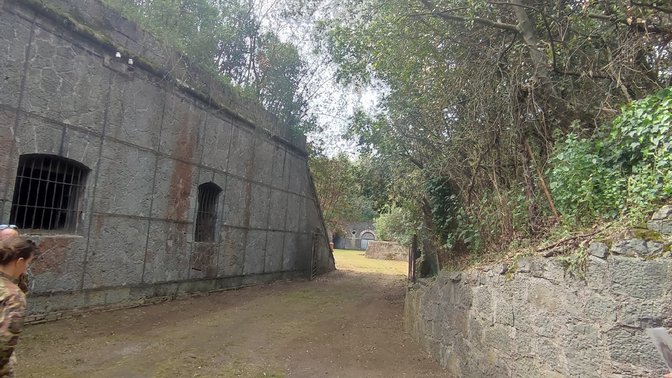
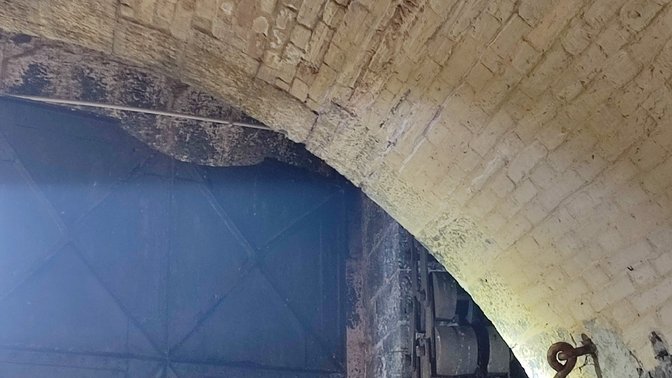
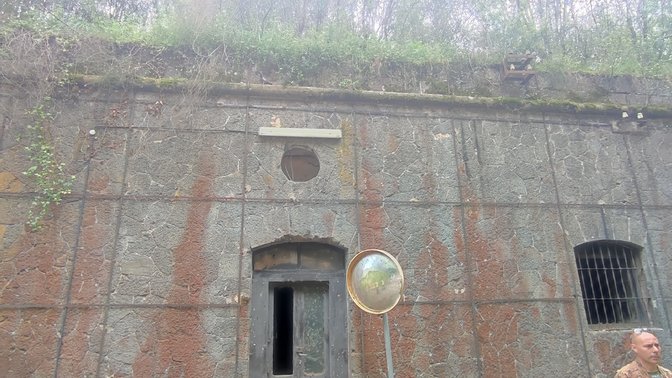
A unique and repeatable experience. Thanks to the "Progetto Forti" association, this structure is also part of a plan to recover and open up the former defensive strongholds of the system known as the "Campo Trencerato" (Trenched Field). This system comprised about fifteen forts like this one, plus four batteries, for a total length of nearly 40 km (essentially a sort of artillery ring road, 4-5 km from the perimeter of the Aurelian Walls) around the newly formed capital of the Italian Kingdom, so many times did the French consider coming to the aid of the Pope and restoring his throne. Thus, between 1877 and 1991, these defensive structures were built all around, in strategic points, generally near the consular roads and in privileged positions: this one in particular was built between 1877 and 1880 and is the only one on the left bank of the Tiber (but also the only one in such an archaeologically rich area, if we exclude Forte Antenne which, however, did not replace a necropolis like this one, Editor's note). Similar in structure to its cousins, it has a wide dry moat surrounding it, a drawbridge (perfectly preserved, complete with visible mechanism), and even this never served

Subscribe To Our Newsletter

Share this:

OR WhatsApp Facebook Email

Location

Comments

Roberto Cecchini
13 Apr 2025
5.0 ★
A unique and repeatable experience. Thanks to the "Progetto Forti" association, this structure is also part of a plan to recover and open up the former defensive strongholds of the system known as the "Campo Trencerato" (Trenched Field). This system comprised about fifteen forts like this one, plus four batteries, for a total length of nearly 40 km (essentially a sort of artillery ring road, 4-5 km from the perimeter of the Aurelian Walls) around the newly formed capital of the Italian Kingdom, so many times did the French consider coming to the aid of the Pope and restoring his throne. Thus, between 1877 and 1991, these defensive structures were built all around, in strategic points, generally near the consular roads and in privileged positions: this one in particular was built between 1877 and 1880 and is the only one on the left bank of the Tiber (but also the only one in such an archaeologically rich area, if we exclude Forte Antenne which, however, did not replace a necropolis like this one, Editor's note). Similar in structure to its cousins, it has a wide dry moat surrounding it, a drawbridge (perfectly preserved, complete with visible mechanism), and even this never served its original purpose, although it was immediately operated by the nascent Air Force (which maintained it until 1910, partially adapting the structures, as can be seen from some mechanisms in the rooms on the parade ground). At the end of the century, it was repurposed as a computer center for the Air Force's Automated Information Systems Department (it is in a sensitive military zone, therefore access is by authorization only). The trapezoidal shape is the result of an engineering study that left nothing to chance, and the excellent state of preservation of the entire structure testifies to its functionality and suggests a hopeful return to its use, this time as an exhibition space for citizens and tourists. The impressive tunnels also conceal a rarity: contact with the leucitic lava flow that created this plateau in ancient times, providing materials for the paving stones of the Appian Way and also for the roofing of this fort's structures (inside a half-caponiera, you can see the intercepted rock face—Editor's note). An immersive, exciting and educational experience that, if you have the chance, is absolutely unmissable. Need some useful info? Then leave a like and check out my other reviews of Rome and beyond.

SUBSCRIBE TO OUR NEWSLETTER

Join 10,000 subscribers and never miss out on events happening in Rome again!