Things to do

Ex Birrificio Peroni - LOTTO C

Via Cagliari, 00198 Roma RM

Rating: 5.0 ★ (1 rating)

Details

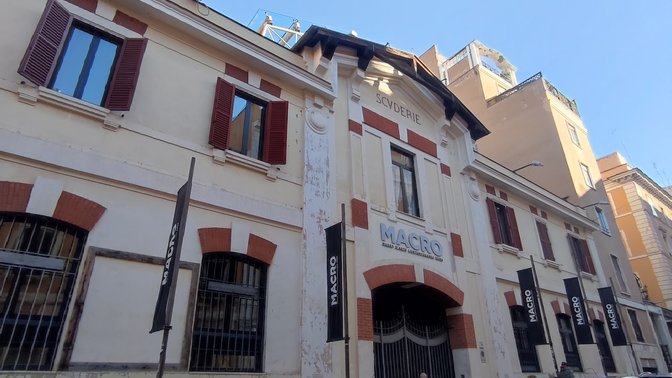
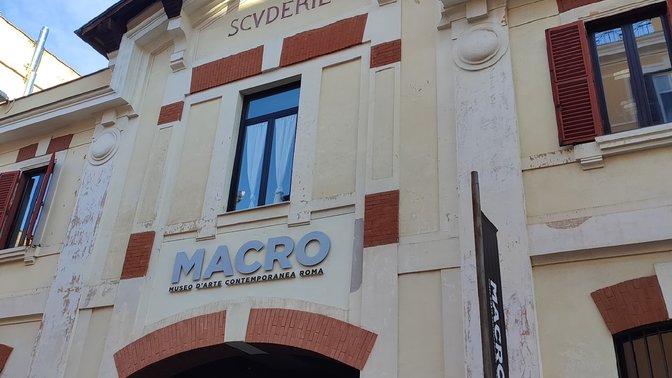
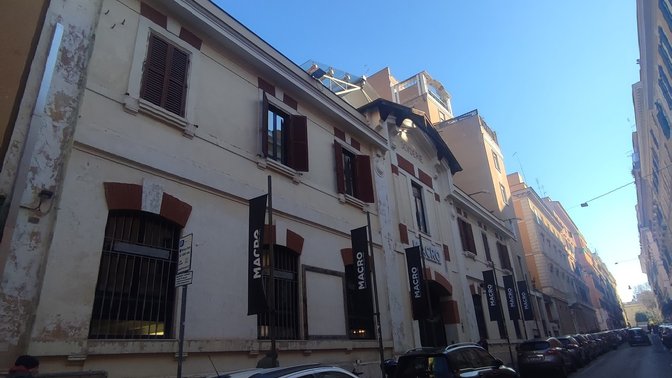
I'm adding this site to Maps (with its FIRST review) because we all know what's inside now, but very few know what it was before... and I'll fix that. This is the third lot built at the beginning of the last century for the city's Peroni beer plant. In the 1920s, the Peroni beer plant was completed with an area dedicated to distribution and transportation. This gave rise to Lot C, built between 1920 and 1922 based on a design by Alfredo Panopoli, an architect active in the industrial and technical fields. This part of the complex housed the stables (you'll find this written at the entrance, now the rear entrance to the museum), warehouses, and spaces for the vehicles that transported beer around the city. It was a highly operational area, designed for the constant movement of people and goods. The buildings are simple, sturdy, built to last and to meet practical needs. As time passed and the industrial activities closed, Lot C completely changed its function, and since 2010, part of the space has been dedicated to the MACRO – Rome Museum of Contemporary Art, designed by Odile Decq, consolidating a trend of adaptive reuse of industrial facilities in museum and cultural contexts. Thi

Subscribe To Our Newsletter

Share this:

OR WhatsApp Facebook Email

Location

Comments

Roberto Cecchini
7 Apr 2026
5.0 ★
I'm adding this site to Maps (with its FIRST review) because we all know what's inside now, but very few know what it was before... and I'll fix that. This is the third lot built at the beginning of the last century for the city's Peroni beer plant. In the 1920s, the Peroni beer plant was completed with an area dedicated to distribution and transportation. This gave rise to Lot C, built between 1920 and 1922 based on a design by Alfredo Panopoli, an architect active in the industrial and technical fields. This part of the complex housed the stables (you'll find this written at the entrance, now the rear entrance to the museum), warehouses, and spaces for the vehicles that transported beer around the city. It was a highly operational area, designed for the constant movement of people and goods. The buildings are simple, sturdy, built to last and to meet practical needs. As time passed and the industrial activities closed, Lot C completely changed its function, and since 2010, part of the space has been dedicated to the MACRO – Rome Museum of Contemporary Art, designed by Odile Decq, consolidating a trend of adaptive reuse of industrial facilities in museum and cultural contexts. This transformation marks the transition from factory to public space, open to the city and visitors. Today, Lot C is an example of how architecture created for work can find new life, preserving the visible memory of its industrial past and telling a story of change and reuse. Although the museum never took off, the square, intended to be a community center, despite not functioning as it should, is beautiful. Need some useful info? Then leave a like and check out other reviews on Rome and beyond.

SUBSCRIBE TO OUR NEWSLETTER

Join 10,000 subscribers and never miss out on events happening in Rome again!