Things to do

Acquedotto Claudio in Sessorio

Casilina, Piazzale Labicano, 00182 Roma RM

Rating: 5.0 ★ (1 rating)

Details

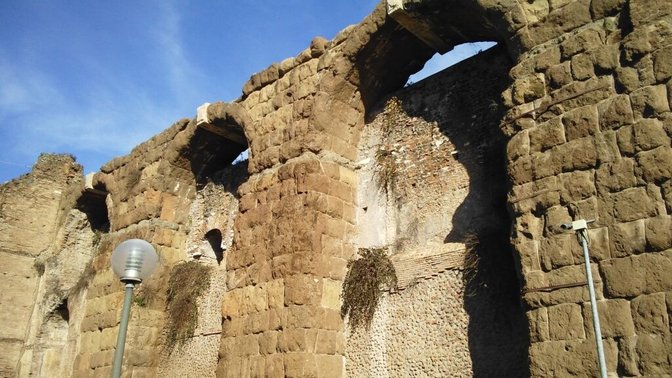
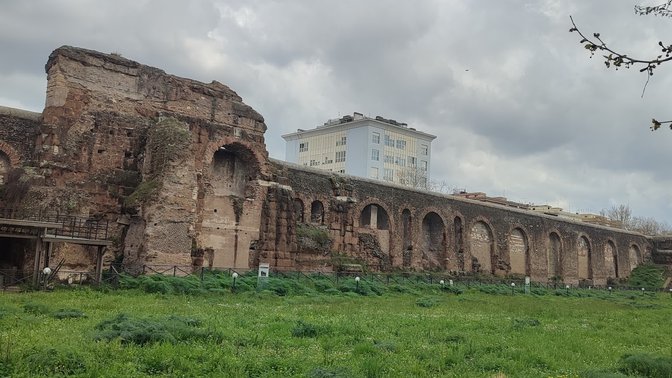
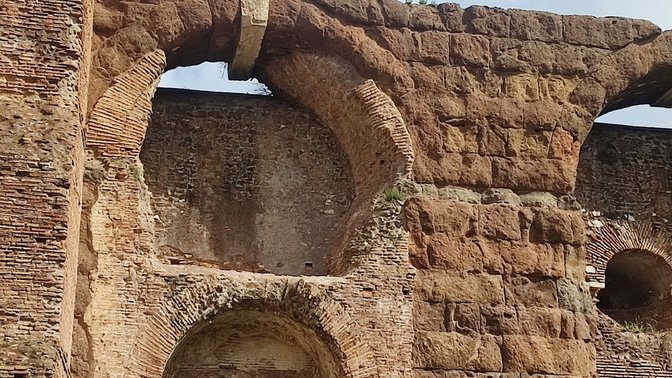
Acquedotto Claudio in Sessorio represents a magnificent testament to ancient Roman engineering, its imposing arches dramatically punctuating the landscape in what was once the imperial Sessorian area. This colossal structure, an enduring symbol of Rome's power and ingenuity, was one of the most vital aqueducts, delivering pristine water to the burgeoning city. Its sheer scale and the robust grandeur of its surviving sections immediately capture the imagination, offering a tangible connection to the Empire's past.

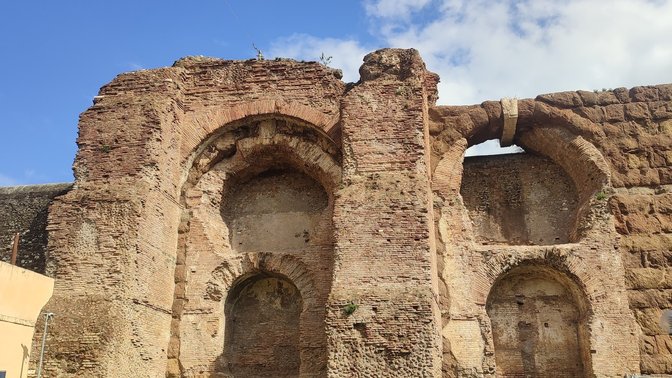
Construction of this significant aqueduct began under Emperor Caligula in 38 AD and was completed by Emperor Claudius in 52 AD, making it one of the most important in ancient Rome. The aqueduct originally collected water from the clear springs of Curzia and Cerulea in the Aniene valley, transporting it through an impressive system that included underground channels and, nearer the city, soaring arcades. Some sections of the aqueduct reached heights of up to 27.40 metres, carrying two channels, the Aqua Claudia and the Anio Novus. Today, the best-preserved segments, particularly within the Appia Antica Regional Park, offer captivating views of these ancient arches stretching across the Roman countryside, inviting visitors to stroll amongst these historic ruins.

This historical site is ideal for those with a keen interest in ancient history, architecture, and photography, providing a serene backdrop for exploration. Visitors seeking a tranquil escape from the bustling city will find it perfect for leisurely walks and reflection amidst monumental ancient structures. It offers a profound sense of awe at Roman ingenuity, making it an excellent destination for cultural excursions and educational visits for all ages.

Visit Website

Subscribe To Our Newsletter

Share this:

OR WhatsApp Facebook Email

Location

Contact

https://cantierinarranti.it/intervent/acquedotto-claudio/

Comments

Roberto Cecchini
7 Apr 2026
5.0 ★
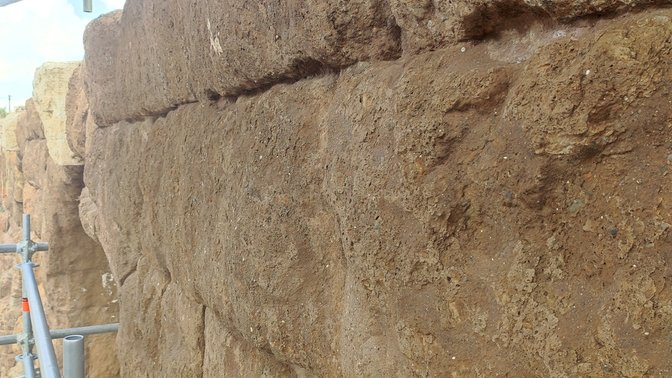
I added it to Maps because right there, adjacent to the Basilica of Santa Croce in Gerusalemme, between the Sessorian Palace and the Aurelian Walls, are the remains of the Claudian Aqueduct. They immediately give you an idea of ​​how amazing the ancient Romans were as engineers, and with this FIRST review, I'll explain why. We're talking about a pharaonic project begun in 38 AD by Caligula and completed in 52 AD under Emperor Claudius, a technological feat that carried water to the city for 68 kilometers with a flow rate that would rival any modern aqueduct. What you see here, in particular, is the section that was incorporated into the Aurelian Walls towards the end of the 3rd century, and the beauty is that it's not just any old aqueduct: looking up at the imposing arches built with those blocks of peperino and travertine that over time have taken on that warm color typical of Rome, you can still make out the two overlapping canals, because the lower one was actually the Claudian Aqueduct, while the upper one was added shortly after for the Anio Novus, a kind of double-decker water highway that supplied the city. The context makes the place even more evocative, because you're looking at these millennia-old remains intertwined with the Sessorian Palace complex, the residence that Empress Helena transformed into a chapel to house the relics of the Cross, and if you turn around you realize that the same walls enclosing the basilica embrace these mighty arches as if they were part of a single great archaeological narrative. To see them, you don't have to stand in front of the basilica, but go behind it, where the archaeological area is located, or go to the opposite side of the road that runs along the walls, on Via Casilina. From there, you'll have an incredible view of these arches, which seem to emerge directly from the walls, standing firm after almost two thousand years with a silent majesty that leaves you speechless. Recent restoration has cleared them of weeds and consolidated them. Worth highlighting. Need some useful info? Then leave a like and look for other reviews on Rome and beyond.

SUBSCRIBE TO OUR NEWSLETTER

Join 10,000 subscribers and never miss out on events happening in Rome again!