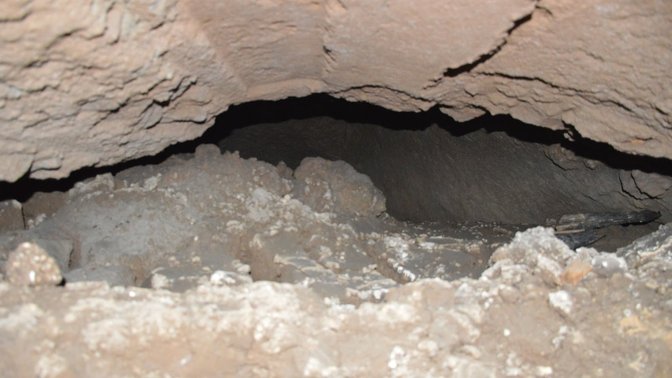
Pozzo (Puteus) dell'acquedotto Anio Vetus
Via Alessandro della Seta, 40, 00178 Roma RM
Rating: 5.0 ★ (2 ratings)
Details
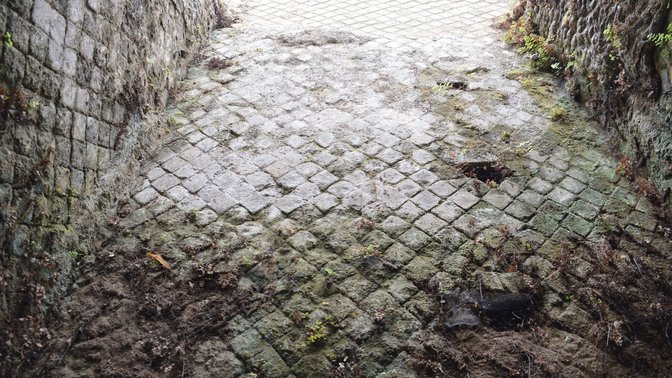
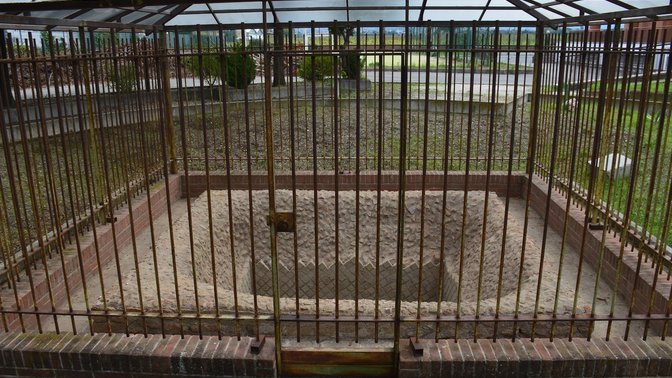
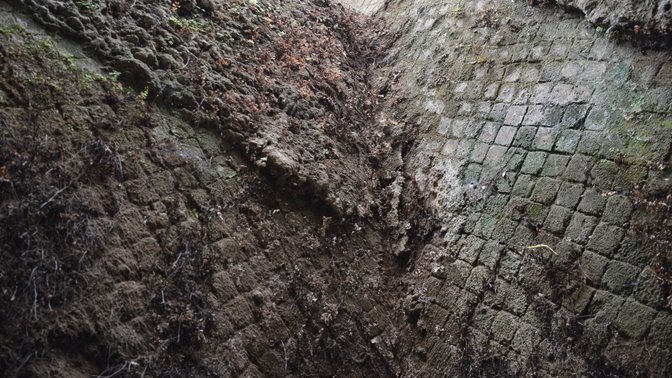
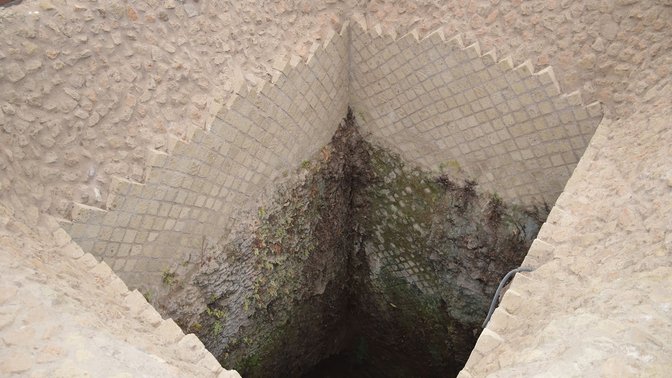
Pozzo (Puteus) dell'acquedotto Anio Vetus represents a fascinating, albeit often subtle, connection to the sophisticated ancient Roman infrastructure that once sustained the Eternal City. This ancient well or access shaft is part of the Aqua Anio Vetus, Rome's second oldest aqueduct and the pioneering system to draw water from the Aniene River. Its character speaks of pragmatic Roman engineering, providing a glimpse into the hidden network that flowed beneath the bustling metropolis. These sites evoke a quiet, reflective atmosphere, often nestled within the sprawling green spaces of Rome's archaeological landscape, making them particularly stand out for visitors seeking a deeper understanding of the city's historical foundations beyond the more prominent ruins.
As a component of an engineering marvel built between 272 and 269 BC, this *puteum* facilitated the maintenance and operation of a substantial 64-kilometre aqueduct, predominantly routed underground. While there are no specific exhibits for this individual access point, its context within the wider aqueduct system allows visitors to appreciate the sheer scale of Roman water management, which supplied various city districts for public use. The aqueduct itself underwent significant restorations by figures such as Agrippa and Augustus, demonstrating its ongoing importance throughout Roman history. The unassuming nature of these ancient access shafts underscores the practical ingenuity that underpinned Rome's capacity to support its burgeoning populace.
This specific site is ideally suited for history buffs, scholars of ancient Roman engineering, and individuals who prefer to delve into the fundamental workings of a grand civilisation away from the more frequented tourist spots. It lends itself well to an enriching and contemplative visit, fostering an appreciation for Rome's ingenious past. The overarching appeal stems from its authenticity and the tangible link it provides to the everyday lives of ancient Romans, highlighting the enduring legacy of their pioneering water systems. It stands as a silent testament to the remarkable logistical and technical challenges the Romans surmounted to ensure the vitality of their magnificent city.
Location
Opening Hours
Monday: 8:00 AM – 8:00 PM | Tuesday: 8:00 AM – 8:00 PM | Wednesday: 8:00 AM – 8:00 PM | Thursday: 8:00 AM – 8:00 PM | Friday: 8:00 AM – 8:00 PM | Saturday: 8:00 AM – 7:00 PM | Sunday: 8:00 AM – 12:00 PM
Contact
+39 06 723 0337 | http://www.santandreacorsini.it/
In the adjacent gardens, you can see the remains of a Roman cistern, which have been preserved by the archaeological superintendency in the passage. The Anio vetus (or "Old Aniene") was the second aqueduct built to supply water to the city of Rome, after the Appian Aqueduct, built about forty years earlier. The adjective vetus (old) was only attributed to it when, about three centuries later, another "Anio aqueduct," the novus, was built.