Things to do

Complesso Monumentale di San Michele a Ripa

Via di S. Michele, 22, 00153 Roma RM

Rating: 5.0 ★ (2 ratings)

Details

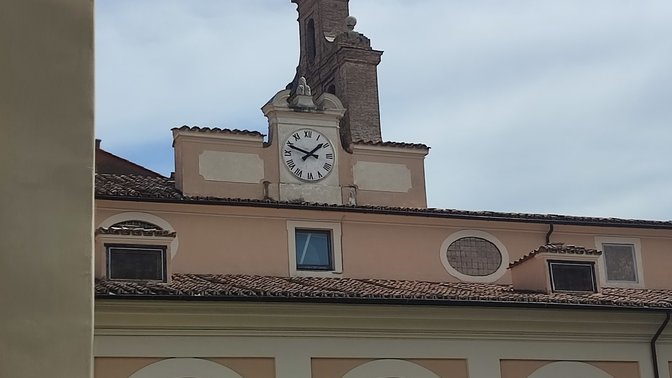
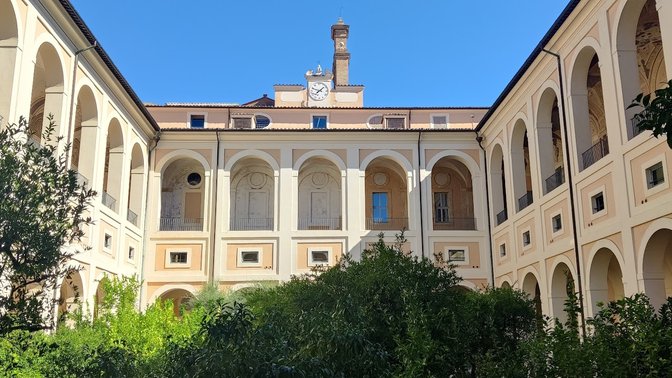
Complesso Monumentale di San Michele a Ripa stands as a formidable and historically rich complex in Rome, dramatically situated overlooking the Tiber near Porta Portese in the Trastevere district. This vast structure, stretching over 300 metres along the river, embodies a unique character, originally conceived as an innovative and comprehensive model of public assistance for the disadvantaged. Its impressive architectural grandeur reflects centuries of papal patronage and social welfare initiatives, creating an atmosphere of profound historical depth and quiet contemplation for visitors seeking to understand Rome's philanthropic past.

Within the complex, highlights include the elegant architecture that once housed an orphanage, hospices for the elderly, and even prisons for minors and women. Today, it serves as a vital centre for cultural heritage, accommodating institutions such as the Central Institute for Catalog and Documentation and offices of the Ministry for Cultural Heritage and Activities and Tourism. One particularly notable feature is the Sala dello Stenditoio, originally a vast hall where renowned tapestries from the Arazzeria Albani workshop were once dried and finished, now repurposed for conferences. The complex also encompasses two historic churches, including the Chiesa Grande, designed by Carlo Fontana.

This monumental site is particularly well-suited for history enthusiasts and those interested in social history, architectural development, and the evolution of Roman charity. It offers a compelling experience for visitors keen to explore a less-trodden yet profoundly significant aspect of Rome's heritage, ideal for reflective visits rather than purely recreational ones. The overall appeal lies in its imposing scale, multifaceted history, and its current role in preserving Italy's cultural legacy, often opening its doors for special guided tours, such as during the European Heritage Days.

Visit Website

Subscribe To Our Newsletter

Share this:

OR WhatsApp Facebook Email

Location

Contact

https://estia.it/restauri/cortile-degli-aranci-roma/

Comments

Stefano
7 Apr 2026
5.0 ★
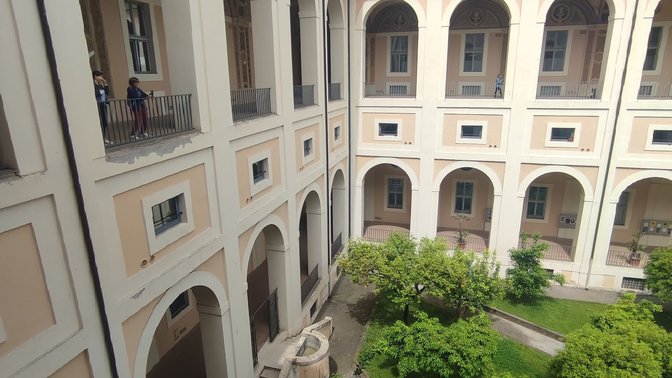
Interesting building, the orange garden, the portico, and the church with organ are very beautiful.
Roberto Cecchini
10 May 2025
5.0 ★
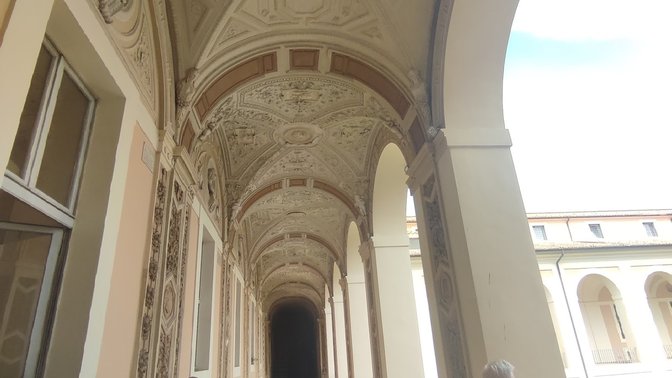
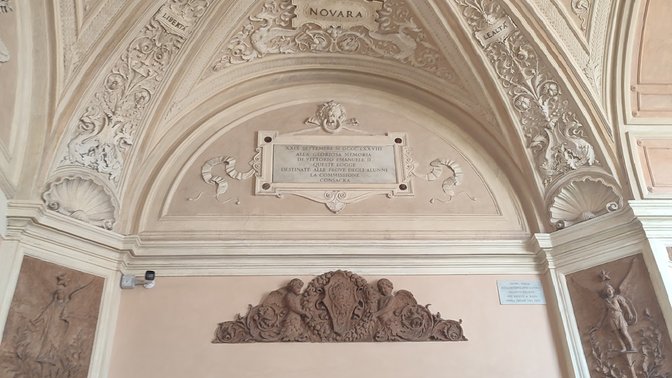
I'm adding it to Maps because it's one of the wonders (if not the greatest wonder) of the San Michele a Ripa Grande complex, the largest palace in Europe, originally built to house orphans and young people and prepare them for a profession, taking them off the streets through a school of arts and crafts, the so-called fabbrica. Built in several stages over the centuries, in 1708 the expansion of the complex towards the interior of Trastevere began, to build the building for the old people's home, a courtyard for services, a large church, the old women's home and at the same time raising all the structures, to create additional dormitories and drying rooms and to support the five buildings of the building. In later times, the Church dedicated to the Transfiguration (called the Great Church) was built in the Cortile dei Vecchi (1710) and other structures, including those for spinsters. The old men's courtyard was the second largest, featuring a beautiful garden with citrus trees and a large portico. Today, you can admire the decorated vaults of the Cloister of the Oranges, on the first floor of the portico surrounding the courtyard of the same name. They are a true masterpiece, the result of a very recent restoration. They consist of a series of 25 bays arranged in a horseshoe shape on the west, south, and east sides of the portico, opposite the church. The decorations were created from the late 19th to the early 20th century, and—you won't believe it—they were exams for students of the Academy of Art, which occupied this portion of the San Michele complex at the time. Many panels bear the names of their artists. You'll be captivated by the beauty of the courtyard and the exquisite craftsmanship of these stuccoes. It can be visited, along with the rest of the complex, through guided tours, despite being an institutional venue (access is rare, but it does exist; reservations are required). Need some help? Then leave a like and browse other reviews about Rome and beyond.

SUBSCRIBE TO OUR NEWSLETTER

Join 10,000 subscribers and never miss out on events happening in Rome again!