Porta Esquilina
VGW2+89, 00185 Rome, Metropolitan City of Rome Capital
Rating: 5.0 ★ (2 ratings)
Details
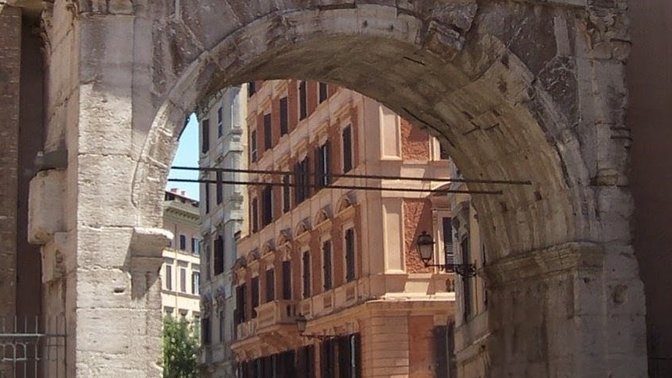
Porta Esquilina, today widely recognised as the Arch of Gallienus, stands as a venerable monument in the heart of Rome, providing a captivating glimpse into the city's ancient past. This monumental gate in the Servian Wall once marked a significant entry point in the north-eastern Esquiline Hill, spanning the ancient Clivus Suburanus, now known as Via San Vito. Though a solitary archway amidst a bustling modern cityscape, it evokes a powerful sense of history, reflecting the profound transitions of an area that evolved from an ancient burial ground to a district of splendid imperial gardens. Its enduring presence contributes to the authentic character and rich historical tapestry of the vibrant Esquiline neighbourhood, making it a distinctive landmark for visitors.
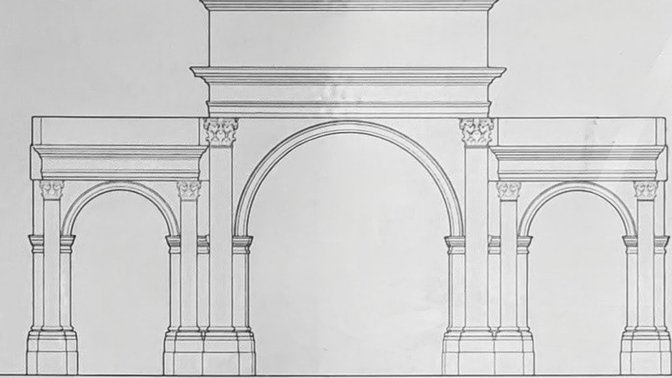
The surviving structure itself is a single travertine arch, measuring 8.80 meters high, 7.30 meters wide, and 3.50 meters deep, adorned with Corinthian pilasters supporting an entablature that bears a dedicatory inscription. Originally constructed as a single arch in the 1st century CE, it was later expanded into a triple arch in 262 CE in honour of Emperor Gallienus and his wife, Salonina, although only the original central arch remains today, as the smaller side arches were eventually removed. This historic gateway served as the origin point for two major Roman roads, the Via Labicana and Via Praenestina, and played a role in triumphal processions and significant historical events, including executions, which often occurred beyond the city's sacred boundary.
This ancient Roman landmark is particularly well-suited for history enthusiasts and those keen to explore an authentic side of Rome, away from the more concentrated tourist hubs. It serves as a fascinating starting point for discovering the Esquiline district, an area rich in multiculturalism and local life, offering a unique blend of ancient heritage interwoven with contemporary markets, eateries, and cultural venues. A visit here offers a deeper appreciation for Rome's layered history, ideal for individuals seeking to connect with the city's profound past and its continuous evolution.
Comments
The two smaller side arches of this triple-arched gateway have been destroyed.
While facing the gateway, if the church is to your left, you are outside the archaic city, if it's to your right you are inside and safe. Congrats.