Complesso Monumentale di San Michele a Ripa Grande
Via di S. Michele, 22, 00153 Roma RM
Rating: 5.0 ★ (2 ratings)
Details
Complesso Monumentale di San Michele a Ripa Grande stands as a monumental architectural complex on the banks of the Tiber River in Rome's Trastevere district, near Porta Portese. This imposing structure, with its 300-metre long facade, presents a distinctive character, embodying centuries of Roman social history and philanthropic endeavours. Rather than purely ornamental art, the sober Baroque style of the buildings was intentionally chosen to convey order, discipline, and dignity within its walls. The complex truly distinguishes itself for visitors interested in how a city transformed charity into architecture, making it a compelling landmark in the Eternal City.
Erected in successive phases from the late 17th century through to the early 19th century, the complex showcases the contributions of eminent architects such as Carlo Fontana, Mattia de Rossi, and Ferdinando Fuga. Historically, it served as a multifunctional institution, encompassing an orphanage, hospices for the elderly, and prisons for both minors and women. Furthermore, it became renowned for its workshops, notably the Arazzeria Albani, a tapestry manufactory that operated with great prestige until the early 20th century. Although now primarily housing offices for the Italian Ministry of Culture, including various directorates and institutes, special guided visits are occasionally offered, providing a rare opportunity to explore its rich heritage.
This magnificent site particularly suits those with a deep appreciation for architectural history and the evolution of social welfare in Rome. It serves as an enlightening destination for scholars and curious travellers interested in understanding monumental charitable institutions. The sheer scale and historical depth of the Complesso Monumentale di San Michele a Ripa Grande provide a unique insight into Rome's past, making it an ideal visit for those seeking more than just typical tourist attractions and willing to experience its cultural offerings through organised tours when available.
Location
Contact
https://dgabap.cultura.gov.it/complesso-monumentale-di-san-michele-a-ripa-grande/
Comments
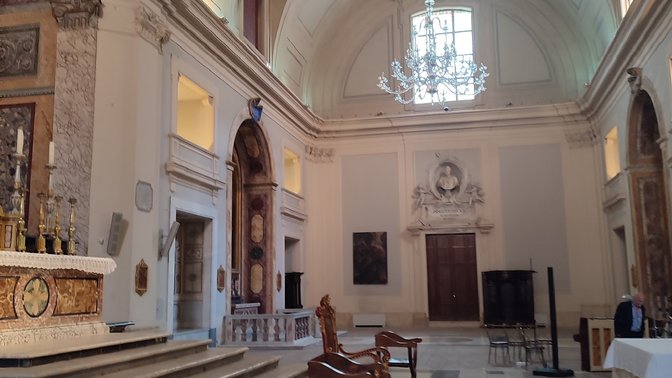
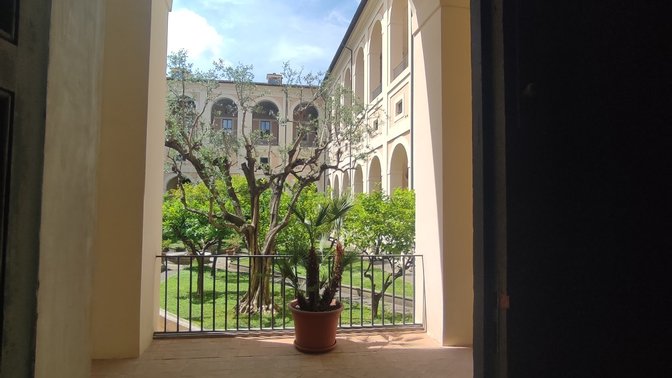
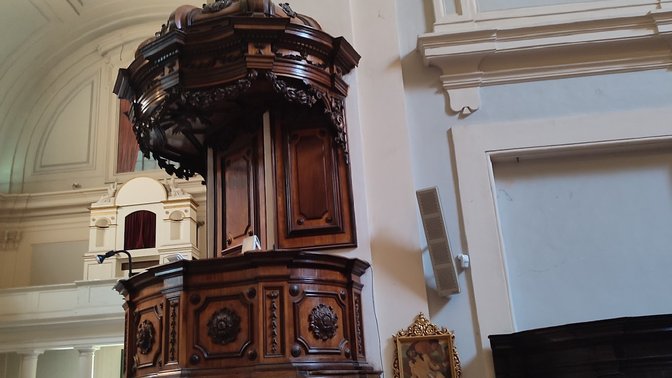
Poletti also designed and inaugurated the church's new façade overlooking the Cortile dei Vecchi on September 29, 1832. A wonderful visit that demonstrates how commitment can restore even the most unstable of youngsters to the highest levels of competence. Need some useful info? Then leave a like and check out my other reviews of Rome and beyond.