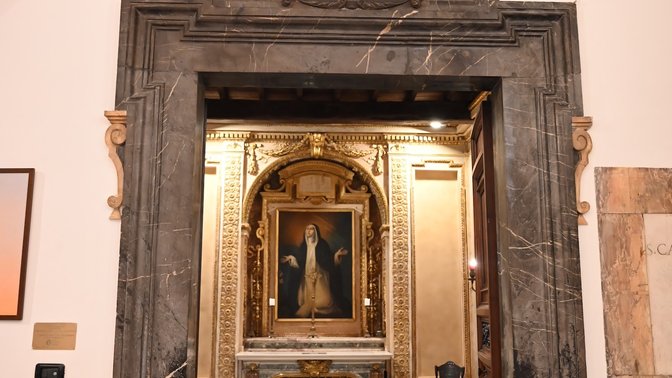
Cappella del Transito di S. Caterina da Siena
P.za di S. Chiara, 14, 00186 Roma RM
Rating: 5.0 ★ (2 ratings)
Details
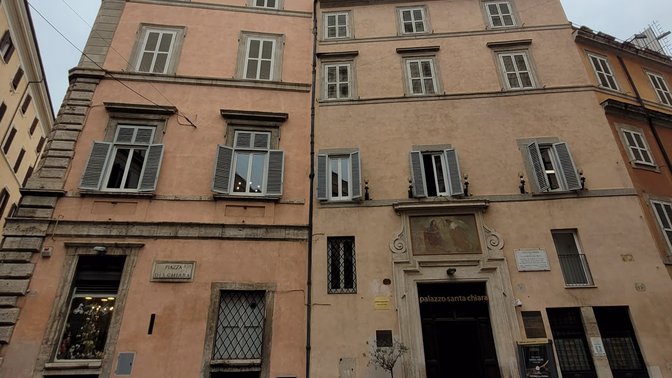
Cappella del Transito di S. Caterina da Siena offers a profound glimpse into the life of one of Rome's most revered saints, standing as a 17th-century devotional chapel built on the site of the very room where St. Catherine of Siena passed away in 1380. Located within the historic Palazzo Santa Chiara, nestled between the iconic Pantheon area and Campo de' Fiori, this modest yet deeply spiritual setting emanates a palpable sense of history and devotion. Its character as a "small jewel of Baroque art" provides a tranquil and intimate atmosphere, inviting quiet contemplation and connecting visitors directly to the final moments of this extraordinary figure.
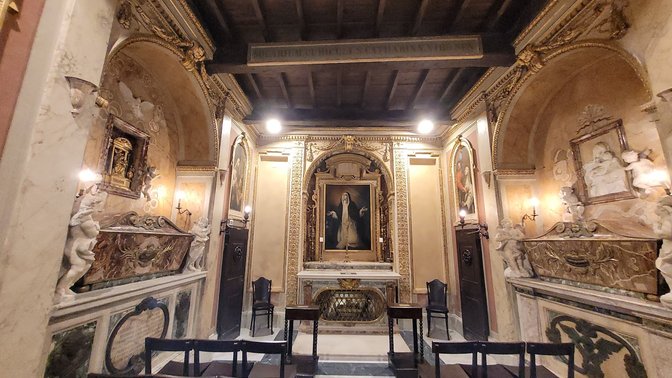
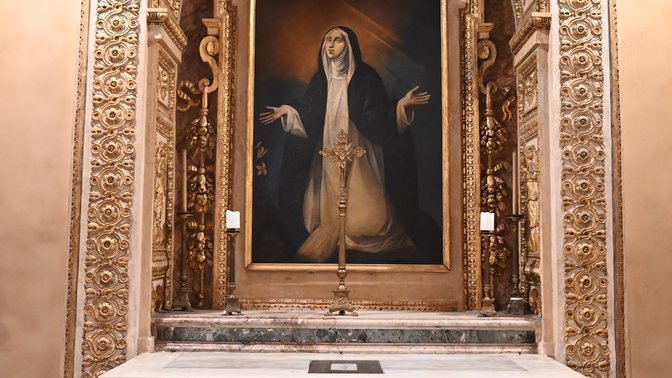
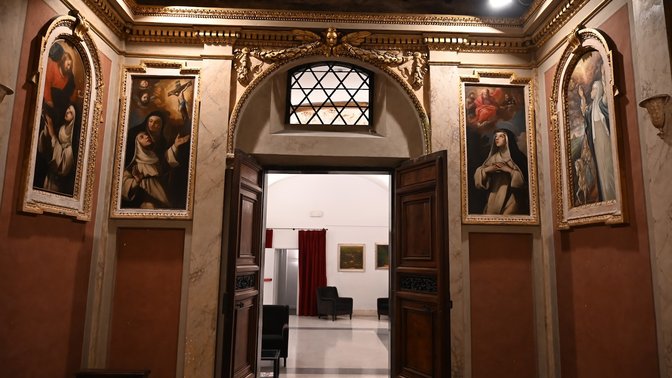
Inside, the chapel is adorned with impressive Baroque polychrome marble fittings and intricate stucco decorations, reflecting the artistic sensibilities of its 17th-century creation. Works from the school of the Cavalier d'Arpino enrich the space, while the main altar features a compelling painting depicting St. Catherine receiving the stigmata. Five vivid depictions of significant moments from her life line the side walls, offering insights into her spiritual journey. Notably, the preserved 14th-century wooden ceiling, bearing a historical inscription, remains visible and has undergone restoration.
This poignant chapel particularly suits pilgrims, historians, and those with an interest in religious art and the life of St. Catherine of Siena. It provides an ideal destination for quiet reflection and a tangible connection to a pivotal period in Christian history, offering a serene counterpoint to Rome's bustling attractions. Visitors seeking a meaningful and contemplative experience will find the Cappella del Transito an exceptionally rewarding destination, underscoring its overall appeal as a significant spiritual landmark.
It was here that Saint Catherine of Siena (1347–1380) spent the last years of her life, dying at just 33 years old. This chapel was later built in her room, although only a large portion of the wooden ceiling, with its evocative supporting beams, remains of the original.
To visit it, you must enter the palace. The chapel is a significant example of Baroque art, with a rectangular plan and small dimensions. In the presbytery stands a polychrome marble altar containing the visible remains of St. Joannis, while above it is the altarpiece, set in a niche with a rounded arch. The painting depicts the Saint kneeling and in prayer.
On the two side walls, facing each other, are two more tombs: the one on the right is that of St. Exuperantius, and the one on the left is that of St. Heraclius.
Along the walls are six other paintings depicting iconographic aspects of the Saint's life, five of which are believed to be the work of the painter Giuseppe Cesari, known as Cavalier d'Arpino (1568–1640).
The Saint's body was moved to the nearby Basilica of Santa Maria sopra Minerva in 1380.