Accademia degli Arcadi e Bosco Parrasio
Via di Porta S. Pancrazio, 34, 00165 Roma RM
Rating: 5.0 ★ (2 ratings)
Details
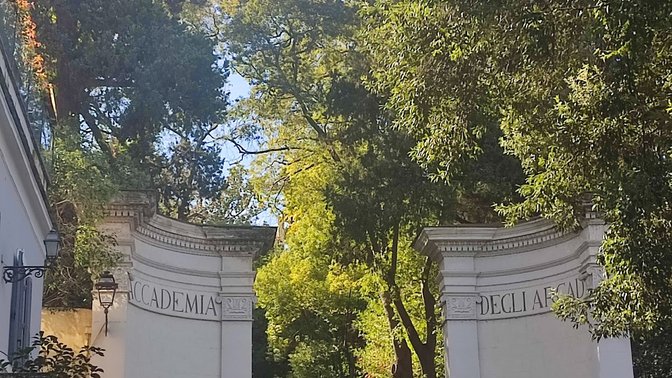
Accademia degli Arcadi e Bosco Parrasio represents an esteemed Italian literary academy, the Accademia dell'Arcadia, established in Rome in 1690, and its enchanting historical outdoor meeting place. This unique site, also known as Bosco Parrasio or the Parrasian Grove, was conceived as a tranquil, pastoral setting on the scenic slopes of the Janiculum Hill, specifically chosen to foster a return to classical simplicity in literature, in stark contrast to the extravagance of the Baroque era. Situated amidst lush greenery, it possesses a distinctly poetic and contemplative atmosphere, standing out as an intimate and historically significant example of garden design in Rome.
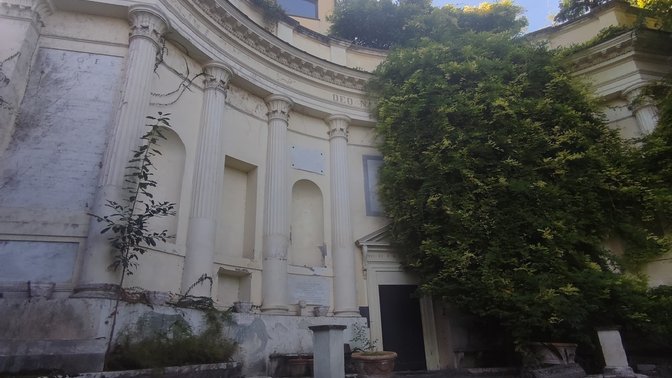
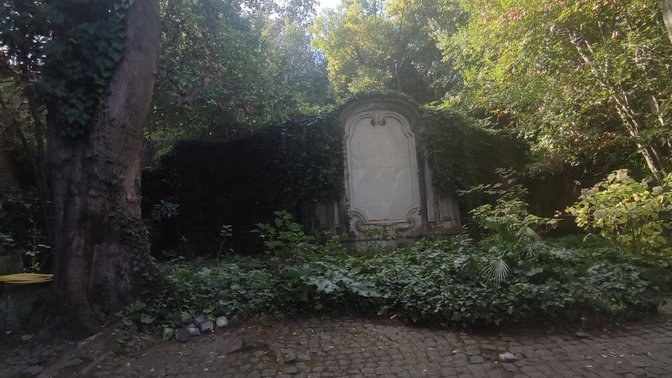
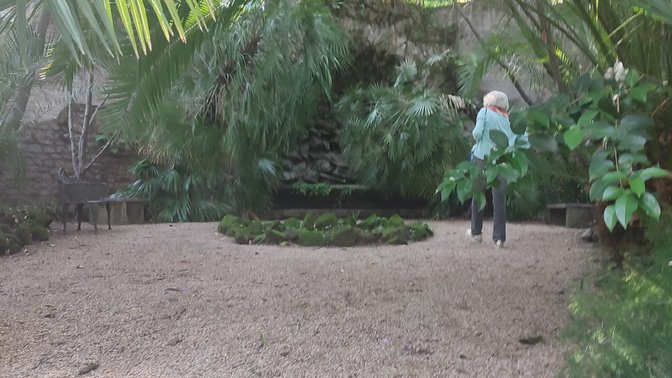
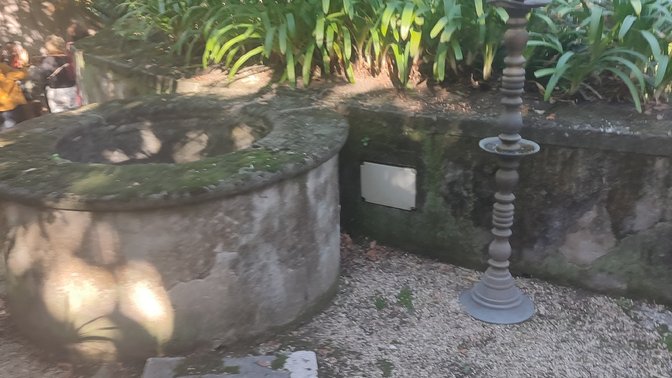
The Bosco Parrasio itself was thoughtfully redesigned in 1725-1726, featuring three distinct levels connected by elegant steps, envisioned as a living stage for poetic recitations. A notable feature is the Serbatoio, constructed in 1760, which served as the academy's archives and secretariat, identifiable by its semi-circular façade bearing the inscribed laws of the Accademia. While not regularly open to the general public, the private grounds are adorned with a variety of mature trees and flowering plants, including laurels, magnolias, cypress trees, pines, oleanders, and wisteria, creating a serene and secluded environment. Visits typically require prior arrangement and special permission from the Custode Generale dell'Accademia.
This remarkable locale particularly appeals to those with a keen interest in Italian literary history, classical influences, and unique garden architecture. It offers a profound sense of escapism and an invitation to reflection, ideal for scholarly visits or for individuals seeking a connection to Rome's intellectual and artistic past. The overall appeal lies in its enduring legacy as a sanctuary for refined thought and artistic expression, offering a rare glimpse into a pivotal movement in Italian culture.
Very evocative.