Peschiera del giardino segreto
VCQX+2R, 00164 Rome, Metropolitan City of Rome Capital
Rating: 5.0 ★ (3 ratings)
Details
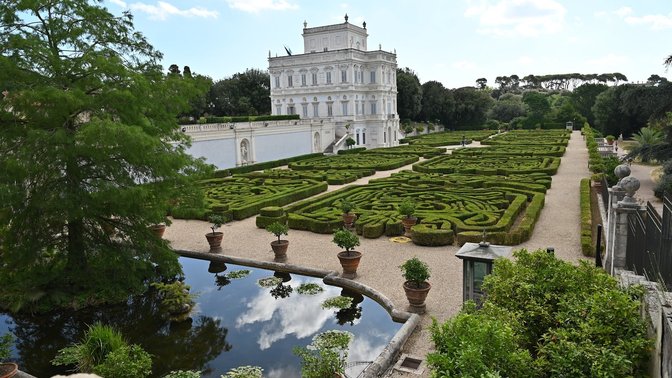
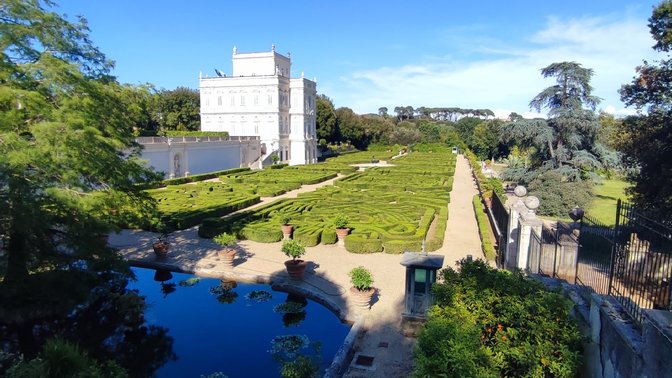
Peschiera del giardino segreto is an enchanting water feature nestled within the historically significant Secret Gardens of Villa Borghese in Rome. This tranquil spot offers a serene and private character, providing a peaceful escape from the bustling city. The intimate atmosphere of this oasis, within the grander public park, allows visitors to step into a secluded world of historical charm and botanical beauty.
Within these exquisite Secret Gardens, where the peschiera resides, one can admire a delightful array of rare and exotic flora, including ancient roses and citrus trees. The gardens are further adorned with artistic furnishings and other elegant fountains. A particular highlight is the fountain found in the Giardino delle Erme, featuring a Roman basin of Lunense marble, alongside the monumental Esedra dei Draghi, which showcases heraldic symbols of the Borghese family.
This hidden gem is ideally suited for visitors seeking quiet contemplation and a moment of calm away from Rome's more frequented attractions. It particularly appeals to those with a passion for historical garden design and botanical artistry, offering a glimpse into the private horticultural pursuits of centuries past. The overall charm lies in its capacity to provide a serene, historically rich experience in a truly secluded setting.
Location
Opening Hours
Monday: Open 24 hours | Tuesday: Open 24 hours | Wednesday: Open 24 hours | Thursday: Open 24 hours | Friday: Open 24 hours | Saturday: Open 24 hours | Sunday: Open 24 hours
Contact
https://turismoroma.it/it/luoghi/villa-doria-pamphilj
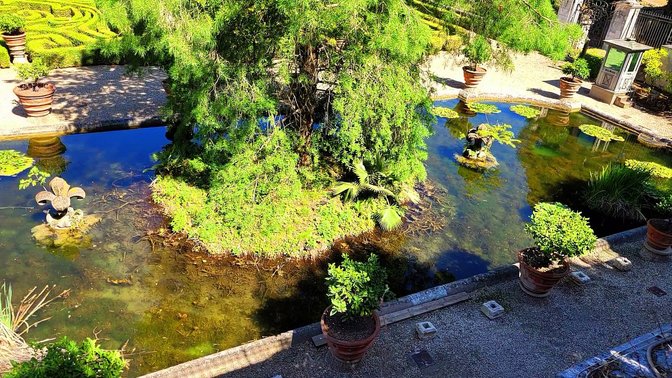
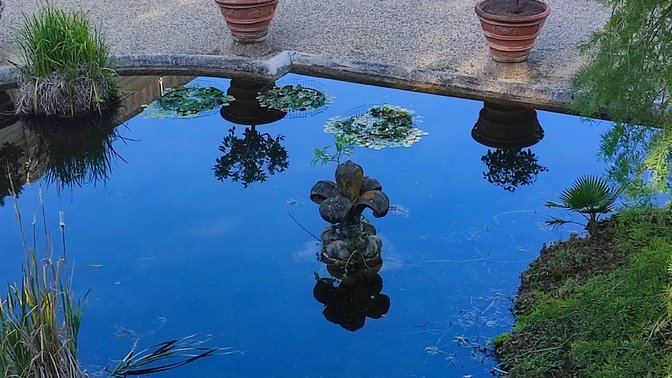
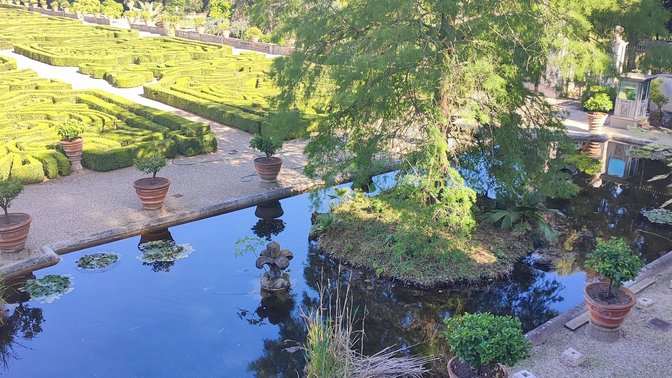
It is a ground-level basin with a rounded edge, predominantly rectangular in shape with curved corners. At the center is a lush, tall tree flanked by two marble lilies, the noble symbol of the Doria Pamphili family.
In the nymphaeum's pools are beautiful aquatic plants, which, along with other plant life, give it a multifaceted color. I enjoyed taking several photographs of this.
Along the edge are important, antique terracotta vases, adorned with floral and noble motifs, containing citrus trees.
On the surrounding wall in front of the nymphaeum there is a tripartite element with pilasters and capitals with three niches2 which house classical female statues.