Tinello Alberoni
Viale Pola, 12, 00198 Roma RM
Rating: 5.0 ★ (4 ratings)
Details
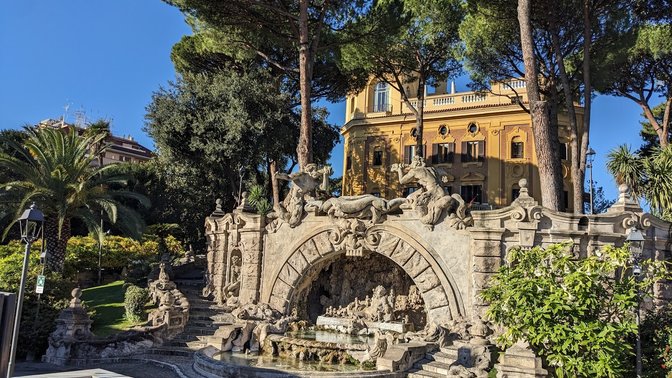
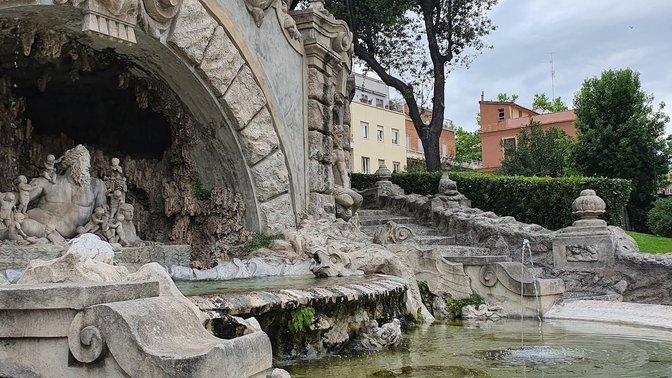
Tinello Alberoni is a splendid nymphaeum, a historic feature within the former grounds of Cardinal Giulio Alberoni's 18th-century estate, now home to LUISS University in Rome's Via Pola. This grand structure, characteristic of Renaissance villa gardens, takes the form of a large grotto, richly covered in tufa and rockeries, exuding a distinct Baroque character. It stands out as a spectacular fountain, offering visitors a serene glimpse into the lavish architectural and horticultural tastes of historical Roman aristocracy.
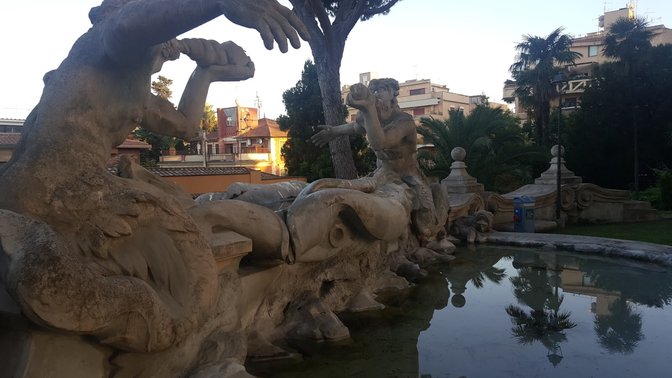
At the heart of the Tinello Alberoni lies a colossal statue, a striking personification of the Nile River. This impressive sculpture is a reproduction of a 1st-century AD Roman masterpiece, with the original housed in the Vatican Museums. The statue depicts the Nile god reclining, accompanied by a sphinx and holding a large cornucopia, symbolising the river's bountiful nature. Furthermore, sixteen playful putti clamber across the figure, perhaps representing the cubits of the river's maximum flood, while two mermen sculptures contribute to the aquatic theme by playing seashells and pouring water.
This remarkable historical site offers an extraordinary experience, particularly appealing to those with an interest in Roman history, Baroque artistry, and the evolution of garden design. It provides a tranquil setting for contemplation and is ideally suited for cultural enthusiasts and students exploring the city's rich past. A visit to Tinello Alberoni reveals the enduring legacy of Rome's grand villas and their elaborate decorative elements, making it a compelling stop for a reflective and enriching visit.
Location
Comments
ENGLISH: Thanks to Rome Open House, these places, always closed to the public, become open, free of charge, to anyone who books through the event website.
The fountain features a statue of the Nile God, a reproduction of the famous Roman piece dating back to the 1st century AD. Two additional sculptures represent mermen playing seashells and pouring water into the river.
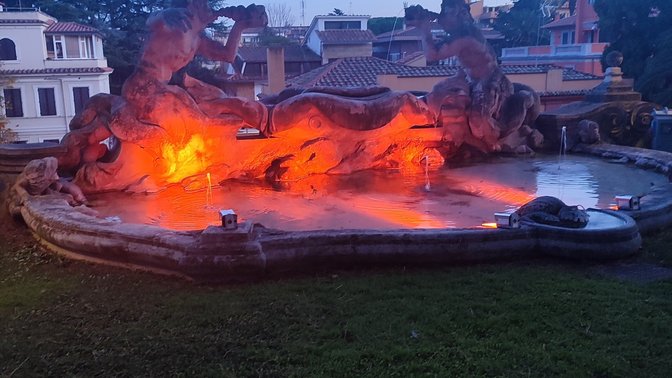
In the upper part of the park, the villino was built between 1924 and 1929, with the collaboration of the architect Brasini, who oversaw both the "neo-Baroque" decorative scheme (present inside the villa and on the facades) and the landscape design of the park, creating a dialogue between the Tinello and the villino itself. A striking red lighting makes it particularly beautiful to look at, although perhaps a less intense light would have enhanced it. Look at the photos and videos I posted and the other reviews on Rome and its wonders that I made and if I was useful click on useful and if you want follow me