Passetto di San Giovanni decollato
Passetto di S. Giovanni Decollato, 00186 Roma RM
Rating: 5.0 ★ (4 ratings)
Details
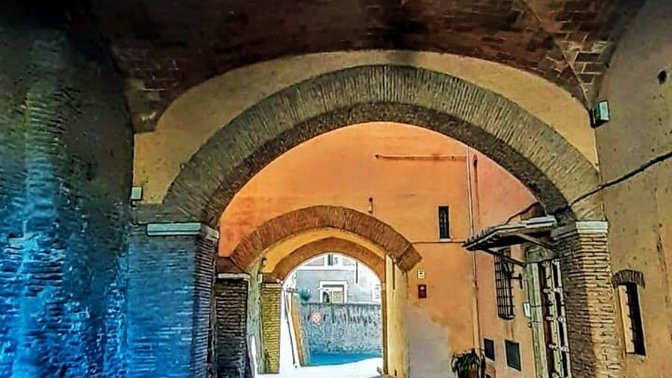
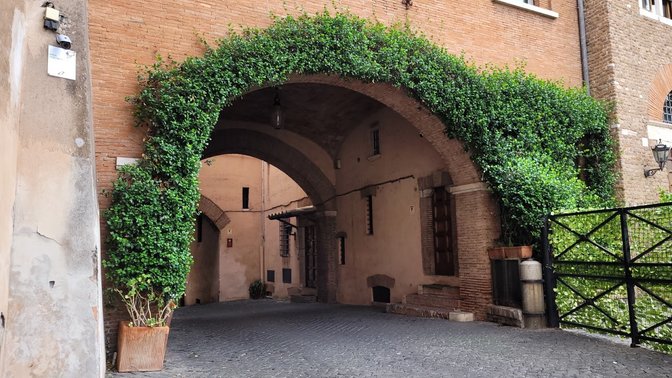
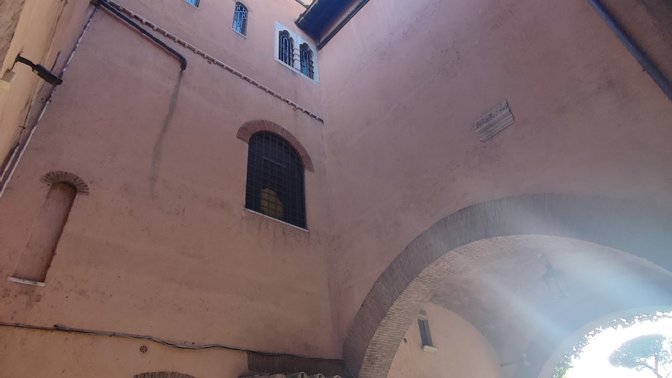
The Passetto di San Giovanni Decollato is one of Rome’s quieter, more intriguing historical spots—perfect for travelers who appreciate hidden details and layers of local history. Unlike the major landmarks that dominate postcards, this place has a subtle charm that reveals itself slowly, especially if you take a moment to explore it thoughtfully. Located in a peaceful corner of the city, the Passetto is a narrow historic passageway associated with the church of San Giovanni Decollato (Saint John the Beheaded). It’s easy to walk by without noticing, but once you’re there, you can feel the deep connection between Rome’s medieval, Renaissance, and even earlier ages. The architecture feels intimate and lived-in, with walls and arches that hint at centuries of comings and goings. There’s a genuine sense of quiet continuity here—a reminder that Rome isn’t just a collection of monumental ruins and grand basilicas, but also a living city woven together by small streets, hidden corners, and unexpected moments of quiet beauty. The passage itself feels like a bridge between eras, connecting everyday life with the city’s deep, layered past. The atmosphere is calm and introspective, a pleasant
Location
Comments
The Passetto on Via San Giovanni Decollato, next to the sixteenth-century church of the same name, is very evocative.
The passageway remains within a medieval palace that belonged to the Pierleoni family, a wealthy family of Jewish origins.
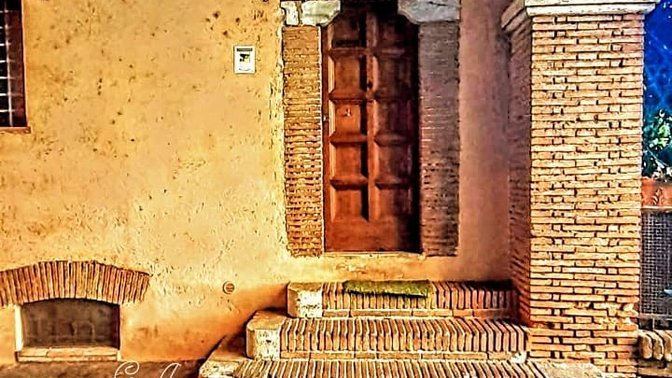
Many parts of the structure appear heavily altered and retouched, but you can still sense an atmosphere of times gone by.
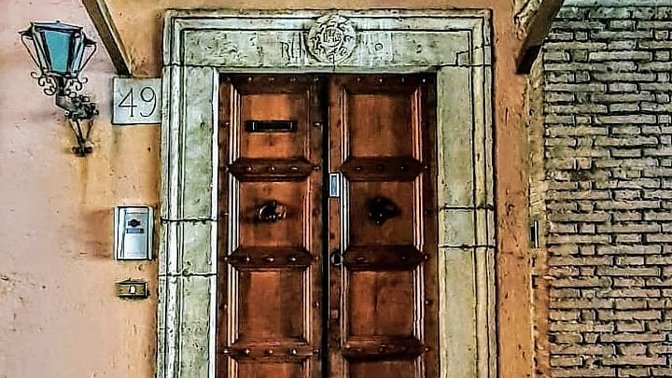
The mullioned and triple-lancet windows remain intact, as do the doors bearing the Pierleoni family crest.
I also recommend visiting the church of San Giovanni Decollato with its medieval cloister, which, however, is not always open.
More comments will appear here over time.
The original medieval Palazzetto dates back to the 14th century and belonged to the wealthy Roman family from which it takes its name. In 1935, the building's fate changed. It was dismantled into several parts for road widening, which was later called Via del Mare (now Via Petroselli). The pieces were preserved in the arches of the Teatro Marcello.
In 1939, the Palazzetto was rebuilt using original materials in its current location, with further modifications commissioned by architect Antonio Munoz, who made it his home.
The building still retains some of its ancient medieval charm, evidenced by the mullioned and triple-lancet windows and the coat of arms of the noble Pierleoni family on the portal.
But the element that most defines it is this evocative passage, a sort of window onto another world, almost a secret place, which transports us to another era, where every step echoes the story of a mysterious Rome, where the beauty of the buildings, a measure of the owner's importance, intertwined with intrigue, power struggles, and secrets among the most powerful families.
If this story has piqued your curiosity or emotion, I invite you to discover my other reviews, an invitation to explore Rome's less traveled streets together, where every corner hides a timeless wonder.