
Palazzo Salimei
Piazza di S. Simeone, 00186 Roma RM
Rating: 5.0 ★ (4 ratings)
Details
Palazzo Salimei stands as a distinguished 16th-century edifice situated at number 31 on Rome's enchanting Via dei Coronari. This historic building, once owned by Clemente Buccelleni and later serving as the original home of the Monte di Pietà under Pope Sixtus V, exudes a quiet grandeur amidst the vibrant life of one of the city's most picturesque streets. Its architectural charm, characterised by a blend of Renaissance and Baroque features, contributes significantly to the unique, time-honoured atmosphere of its surroundings, making it a notable highlight for visitors exploring the Roman centre.
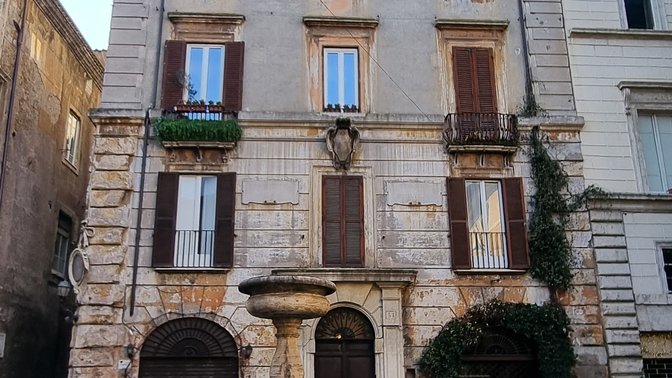
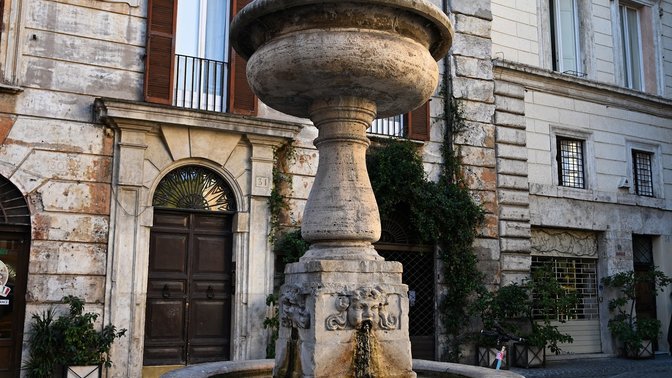
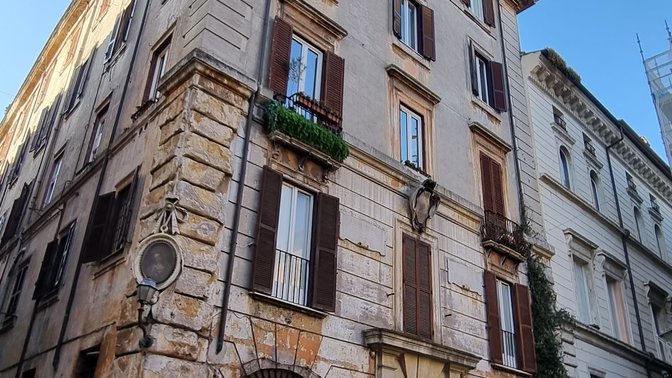
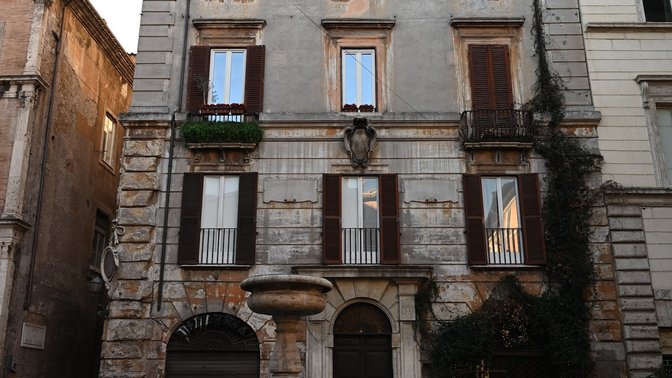
The palazzo's facade presents an impressive display of period craftsmanship, featuring four floors adorned with ample windows; some upper windows are framed with small balconies, whilst lower ones boast railings, all unified by elegant cornices. Rusticated cornerstones extend the full height of the building, enhancing its robust character. A beautifully crafted, architraved portal, flanked by two arched carriage entrances, adds to its distinctive appearance, reflecting its layered past, including the enduring presence of the Monte di Pietà's coat of arms, a symbol of its former charitable function.
This palazzo particularly appeals to those with a keen interest in historical architecture and the rich cultural tapestry of Rome. It forms an integral part of the experience of Via dei Coronari, offering a tangible link to the city's Renaissance era. Ideal for visitors who enjoy unhurried strolls and appreciating historical details, the building contributes to the street's overall charm, inviting exploration and contemplation of Rome's enduring legacy.
A SILENT WITNESS TO AN IMPORTANT PERIOD
LOCATION:
Palazzo Salimei is located in the historic center of Rome, Rione V (Ponte), in Piazza di San Simeone.
HISTORY BRIEF:
It is a 16th-century building that was very important, having been the headquarters of the important Monte di Pietà until the early 17th century.
For this reason, the palace was also called Monte Vecchio.
The palace passed into the ownership of the Salimei Counts in the second half of the 18th century.
ARCHITECTURE:
The building is four stories high, with a monumental wooden portal framed with ashlar.
All four floors have framed windows, and those on the first floor also have railings. On the second floor, there are miniature balconies, a product of the times.
The Monte di Pietà coat of arms is still visible on the façade, a richly decorated plaque with scrolls and the institution's symbols.
CONCLUSION:
If you enjoyed this read, I invite you to check out my other reviews.