Things to do

Apollo di Veio

Via di Villa Giulia, 9, 00196 Roma RM

Rating: 5.0 ★ (4 ratings)

Details

ETRU Museo Nazionale etrusco di Villa Giulia e Villa Poniatowski di Roma. Prepara la tua visita. Scopri il programma delle attività, i capolavori etruschi, le biografie delle opere, le cose mai viste dagli archivi e dai depositi, e come abbonarsi.

Visit Website

Subscribe To Our Newsletter

Share this:

OR WhatsApp Facebook Email

Location

Contact

https://www.museoetru.it/capolavori/apollo-di-veio

Comments

Fabio De Biasio Gliottone
19 Feb 2025
5.0 ★
Beautiful museum and beautiful villa.
Roberto Cecchini
20 Jan 2025
5.0 ★
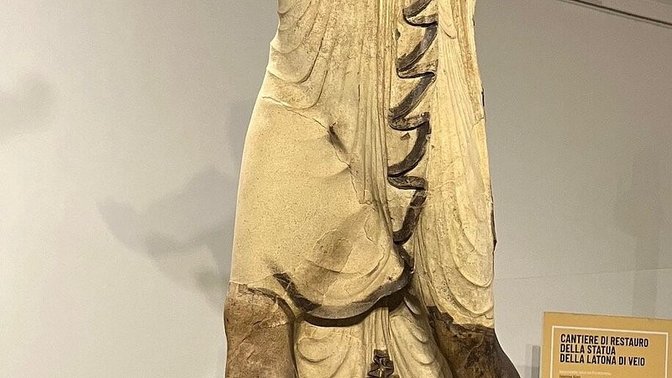
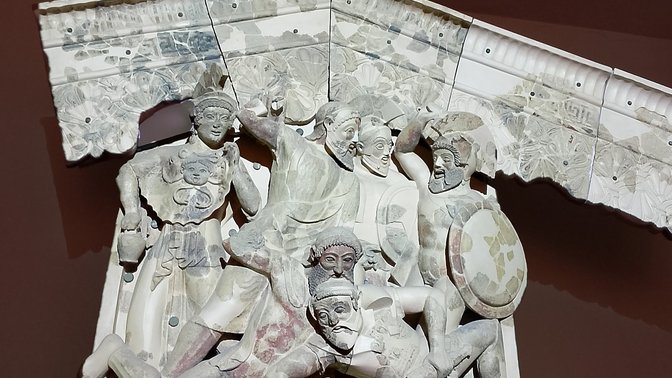
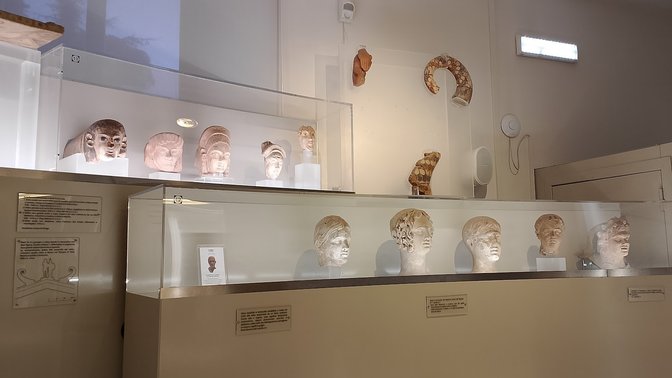
An absolute masterpiece of beauty and harmony (a special bond for me, coming from my area), its only flaw is that it's placed in a room at the end of the tour and isn't particularly showcased (the reason probably lies in the exhibition design; the overall display is very disappointing). If the Etruscans have a symbol, it is to be found in the Sarcophagus of the Spouses and the Apollo of Veii, displayed here in two rooms. In particular, the sculptural group to which the latter belongs is located in the room dedicated to the Temple of Menerva in Portonaccio—in the heart of Veii Park—and here it's possible to see a recomposition of the pieces that were carefully buried, as if to preserve their identity and beauty, when the temple was destroyed and were only rediscovered in the early 1900s. These terracotta works, dating back to 500 BC, are of extraordinary beauty, especially because (like the Apollo of Scasato) they are the emblem of the Etruscan style and their original colors are still vibrant. Apollo is obviously the centerpiece, appearing to lean toward Heracles (or Hercules, in Roman parlance) who was kidnapping the golden-horned deer (one of his twelve labors). The triad is completed by Leto with the infant Apollo in her arms (the subject of a recent restoration). Mercury, whose head is now displayed in a glass case, must also have witnessed the scene. A characteristic of Apollo is his so-called "archaic smile," which can be found in many masterpieces: these sculptures in particular are attributed to the school of the master Vulca, who was so famous and appreciated at the time that he even commissioned works for the kings Tarquinius Priscus and Tarquinius Superb, who commissioned him to decorate their palaces on the Capitoline Hill. These are absolute masterpieces that shouldn't be rushed out of sight because you'll be tired by the end of the visit (and you can't reverse the route, starting from here, unfortunately), so keep them in mind when you visit. Useful information? So leave a like and check out the other reviews I've done about Rome and beyond.
Ivano Stipa
19 Jan 2025
5.0 ★
The Apollo of Veii, housed in the National Etruscan Museum of Villa Giulia in Rome, is an extraordinary polychrome terracotta statue from the 6th century BC, attributed to the Etruscan sculptor Vulca. Standing approximately 180 cm tall, it depicts the god Apollo in motion, with a dynamism and vitality that convey great intensity.
Discovered in 1916 in the sanctuary of Portonaccio in Veii, it was part of a sculptural group that decorated the roof of a temple dedicated to Menerva, depicting myths related to the god. The polychrome, although partially faded, hints at the original vibrant colors, evoking the charm of Etruscan art.
Observing the Apollo of Veii up close is an engaging experience, allowing one to immerse themselves in the culture and symbolism of an ancient people, making a visit to Villa Giulia a moment of great beauty and reflection.

More comments will appear here over time.

SUBSCRIBE TO OUR NEWSLETTER

Join 10,000 subscribers and never miss out on events happening in Rome again!