Tomba di Fadilla
Via dei Casali Molinario, 3/1, 00189 Roma RM
Rating: 5.0 ★ (5 ratings)
Details
Tomba di Fadilla is a captivating Roman hypogeum, or underground burial chamber, dating from the late 2nd to early 3rd century AD, nestled alongside the ancient Via Flaminia in Grottarossa, Rome. This imperial-era tomb, named after Fadilla whose remains it housed and possibly a noblewoman from the Antonine family, offers a remarkably well-preserved glimpse into ancient Roman funerary practices. Its discreet setting and the quiet dignity of its carved tuff structure provide a distinct atmosphere, inviting visitors to step back in time and experience a lesser-known but significant piece of Rome's rich history.
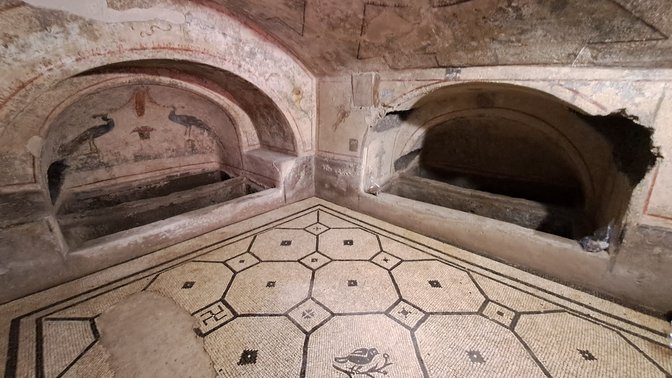
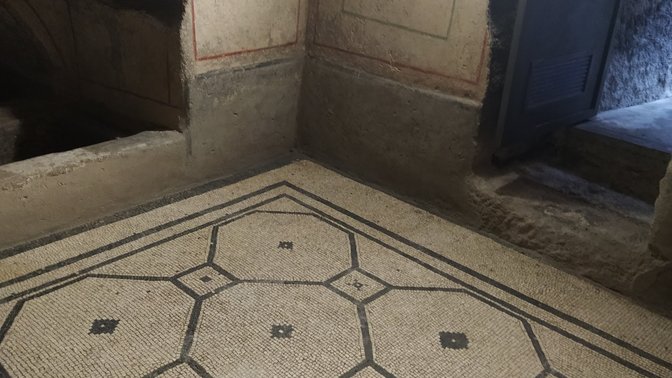
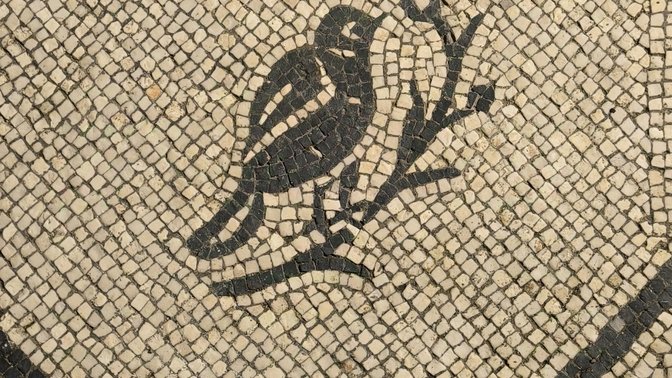
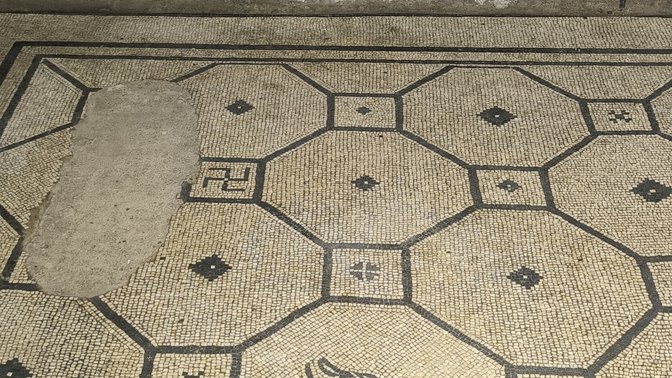
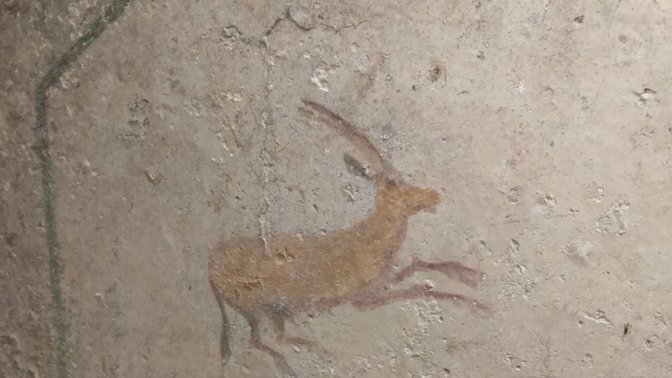
Within this compact, vaulted space, visitors can admire the intricate black and white mosaic flooring, adorned with geometric patterns and a central depiction of a bird resting on a branch. The tomb's true artistic treasures lie in its refined frescoes, which cover the walls and vault, featuring a rich array of human and animal figures. Noteworthy are the elegant peacocks, painted within an arcosolium, gracefully holding a crown with a flowing ribbon in their beaks, alongside other depictions of winged genii, garlands, birds, and children's faces. These delicate paintings offer a poignant insight into beliefs surrounding the afterlife and hope for eternal bliss.
This intimate archaeological site particularly appeals to those with a keen interest in Roman imperial history, funerary art, and more secluded historical explorations. Ideal for small groups or individuals seeking a tranquil yet profoundly informative experience, the Tomba di Fadilla offers a unique opportunity to appreciate well-preserved ancient Roman decorative artistry. Often accessible via guided tours, sometimes combined with the nearby Tomba dei Nasoni, it provides an invaluable understanding of the historical landscape along the Via Flaminia and promises a memorable visit for anyone drawn to the quieter, more reflective side of Rome's past.
Location
Opening Hours
Monday: Closed | Tuesday: Closed | Wednesday: Closed | Thursday: 10:30 AM – 12:00 PM | Friday: Closed | Saturday: Closed | Sunday: Closed
Contact
https://www.parchilazio.it/schede-361-tomba_di_fadilla
Comments
The black-and-white mosaic floor is decorated with geometric patterns of octagons and squares, with the figure of a bird on a branch at the center; the walls, vault, and niches are frescoed with winged spirits and animals (deer, birds) enclosed in panels; the central niche depicts two peacocks flanking a basket full of fruit, each holding a band tied to a suspended crown in its beak.
Beautiful to behold, thanks in large part to the Superintendency staff who make it accessible.
The tomb, which originally had a temple-like façade (now lost), is carved into the tuff and consists of a single room with a vaulted ceiling. The floor is a mosaic of black and white tiles arranged in geometric shapes, with a central depiction of a bird resting on a branch. An inscription on the wall bears Fadilla's name, written by her husband.