Things to do

Maria Salus Populi Romani

Della Vittoria, 00135 Rome, Metropolitan City of Rome Capital

Rating: 5.0 ★ (5 ratings)

Details

Maria Salus Populi Romani is a deeply revered Byzantine-style icon, famously housed within the magnificent Basilica of Santa Maria Maggiore in Rome, Italy. This ancient image, signifying "Mary, Salvation of the Roman People" or "Protectress of the Roman people," exudes a profound spiritual atmosphere, drawing visitors into centuries of devotion and prayer. It stands out as one of the oldest and most venerated Marian icons globally, deeply woven into the spiritual fabric and identity of Rome itself.

The icon prominently features the Virgin Mary tenderly holding the Christ child, a depiction traditionally attributed to Saint Luke the Evangelist, though scholarly opinion often places its origins in the fifth or sixth century. Found within the lavish Pauline Chapel, this sacred image has been a focal point for popes throughout history, notably carried in solemn processions during times of plague and crisis, symbolising hope and divine intervention. Modern pontiffs, including Pope Francis, continue this tradition, visiting the icon before and after their apostolic journeys. Entry to the Basilica of Santa Maria Maggiore, and consequently to view the icon, is typically free of charge.

This venerable site is ideally suited for pilgrims seeking spiritual reflection, as well as for those with a keen interest in art history and religious heritage. It offers an opportunity for quiet contemplation and a tangible connection to Rome's enduring faith and cultural legacy. The blend of artistic beauty, spiritual power, and a storied past makes a visit to Maria Salus Populi Romani a truly significant experience, with guided tours often available to provide deeper insights into its rich history and profound symbolism.

Subscribe To Our Newsletter

Share this:

OR WhatsApp Facebook Email

Location

Comments

Cri_04
7 Apr 2026
5.0 ★
Spectacular
carlo petroselli
7 Apr 2026
5.0 ★
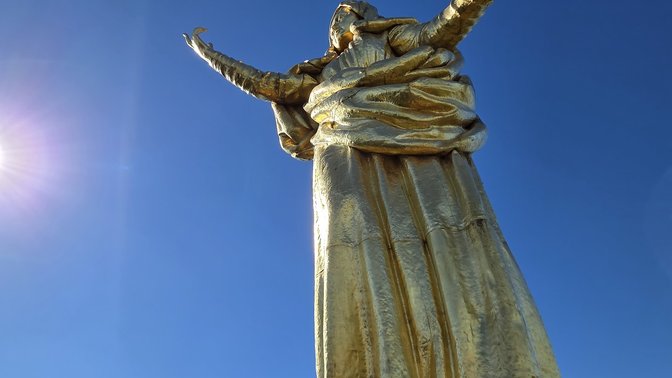
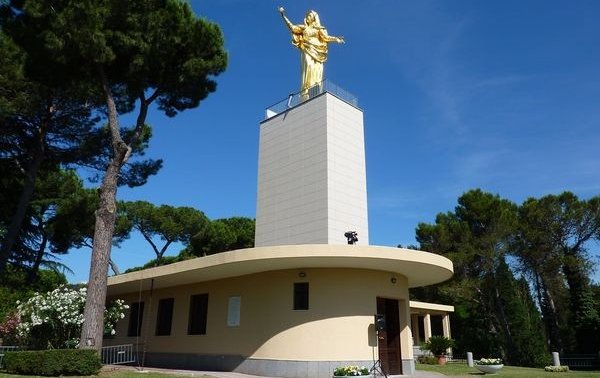
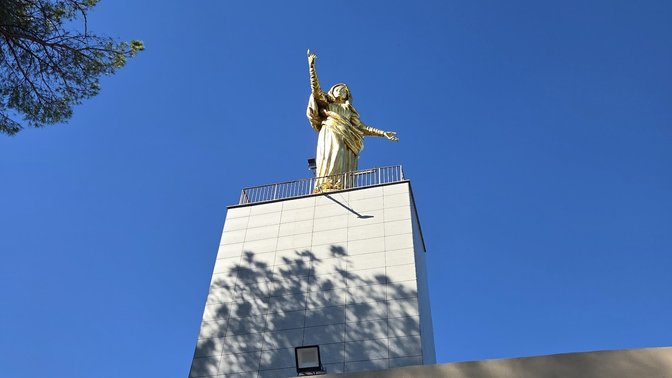
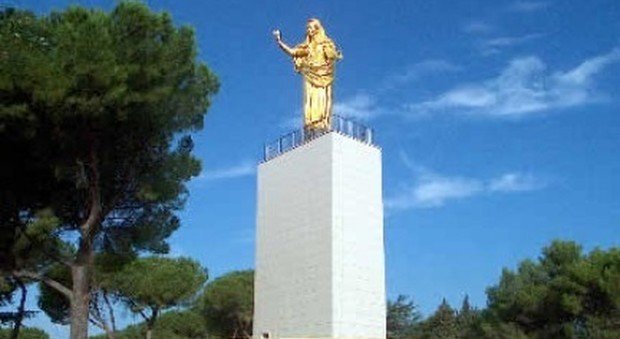
The Golden Madonnina of Monte Mario is twice the size of Milan, it is 9 metres high with an 18 metre pedestal, the statue of Mary "Salus populi romani", is the one that from the highest point of Monte Mario watches over and protects Rome and the world, the work of the artist Arrigo Minerbi.
Roberto Cecchini
7 Apr 2026
5.0 ★
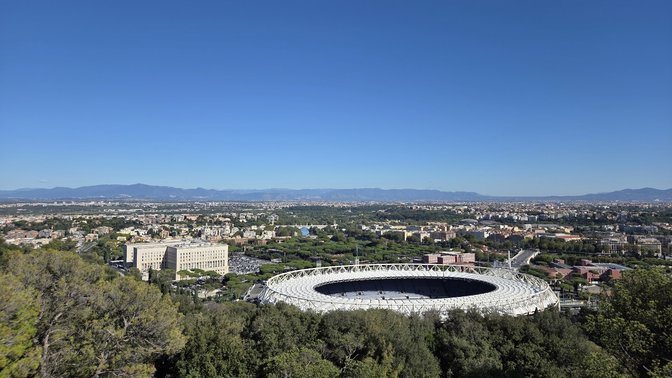
I need to catch up on an old review, and I'm amazed there aren't any. But this is a symbol of Rome! For nearly eighty years, the large golden statue of the Madonnina has dominated Rome from atop Monte Mario. Its presence is linked to a promise made by Roman citizens during World War II: over a million people signed an appeal calling for the liberation of the city. After the end of the conflict in 1944, the statue was placed on the hill as a sign of thanksgiving. Even today, this promise is remembered every year with the Festa della Madonnina, which takes place on the evening of June 3rd. The celebration begins with a short procession from the Don Orione Center on Via della Camilluccia to the statue's square. Mass is celebrated there, followed by a moment of commemoration of the war and the liberation of Rome, with the laying of a wreath of roses at the foot of the Madonnina. The celebration then continues with food and music, transforming the event into a popular gathering open to all. The Madonna appeared on the highest point of Monte Mario on Easter morning, April 5, 1953. The work was created by the sculptor Arrigo Minerbi, of Jewish origin, who during the racial persecution had been protected and supported by the Orionine community of the Appio neighborhood (hesitant, he decided to draw inspiration for the face from the features of the Holy Shroud). The statue measures 9 meters tall and stands on an 18-meter-high base. Over time, it has become one of the most important symbols of twentieth-century Rome. Its construction represents the fulfillment of a popular vow promoted by the Orionine Congregation and supported by Pope Pius XII during the war years. Rome was liberated on June 4, 1944, quickly and without fighting: the German army left the city and the Allied army entered without conflict. This event, documented by historical facts, deeply affected the citizens, who interpreted the peaceful liberation as a sign of special protection from the Madonna. The promise made to the Madonna was linked to two concrete actions: the creation of a place of worship and a work of assistance for the most vulnerable. For this reason, already during the war, the Congregation cared for orphans and disabled children in the buildings on Via della Camilluccia, which had remained unused after the end of the Fascist regime. Only later was it possible to build the large statue dedicated to Mary, invoked as the "Salvation of the Roman People." Unlucky but tenacious, it has been damaged several times by the elements, but has been restored and reinstated each time, illuminating the nights of northern Rome. Many confuse it with the statue of the Redeemer located near Termini Station. Absolutely worth a visit if you have the opportunity; it can be reached from the beginning of Via della Camilluccia, behind the Don Orione. Need some useful info? Then leave a like and check out my other reviews of Rome and beyond.

SUBSCRIBE TO OUR NEWSLETTER

Join 10,000 subscribers and never miss out on events happening in Rome again!