Chiesa di Sant'Ignazio di Loyola
Piazza S. Ignazio, 143/124, 00186 Roma RM
Rating: 5.0 ★ (9 ratings)
Details
Chiesa di Sant'Ignazio di Loyola, a prominent Roman Catholic church in Rome, stands as an exquisite example of Baroque architecture, dedicated to Saint Ignatius of Loyola, the esteemed founder of the Jesuits. Situated in the historic Campus Martius, not far from the Pantheon and Piazza Navona, its monumental presence is further enhanced by the charming Piazza di Sant'Ignazio, meticulously designed to resemble a theatrical stage set. The church's character is defined by its opulent Baroque artistry and an atmosphere that immediately captures visitors with its grandeur and unique illusionistic frescoes.
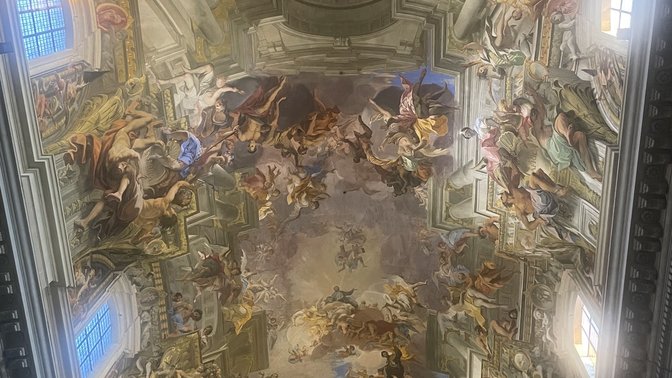
The main highlights within this magnificent edifice are Andrea Pozzo's celebrated trompe l'œil frescoes, particularly the breathtaking "Gloria di Sant'Ignazio" on the nave ceiling and the ingenious "false dome." Standing on a specific marble disc on the nave floor allows one to experience the full impact of the ceiling fresco, where painted columns and arches appear to soar into an imagined heaven. The church remarkably features a large mirror positioned in the nave, offering a comfortable way to admire these intricate overhead artworks without looking up for an extended period. Richly adorned side altars and chapels further contribute to the dazzling interior, making for a truly impressive visitor experience, and entry to the church is free of charge.
This remarkable church appeals greatly to enthusiasts of Baroque art, architecture, and religious history, providing a captivating blend of historical significance and artistic wonder. With its unique optical illusions and the popular mirror installation, it has become a must-see for modern travellers and those keen on engaging with art in an innovative way. It suits visitors looking for a relatively short yet profoundly impactful cultural outing, offering an engaging insight into 17th-century artistic ingenuity.
Location
Opening Hours
Monday: Open 24 hours | Tuesday: Open 24 hours | Wednesday: Open 24 hours | Thursday: Open 24 hours | Friday: Open 24 hours | Saturday: Open 24 hours | Sunday: Open 24 hours
Contact
https://www.museodiroma.it/it/infopage/uffici-di-burro
Comments
Located in the heart of the historic center, between the Pantheon and Via del Corso, the square opens up almost suddenly after navigating the narrow streets of the Pigna district. This sense of surprise is part of its charm.
The focal point is undoubtedly the Church of Sant'Ignazio di Loyola, a Baroque masterpiece designed by Orazio Grassi in the 17th century. The church's interior is famous for Andrea Pozzo's illusionistic fresco, which simulates a nonexistent dome and a vault open to the sky. Although this is inside, the illusionist aesthetic is reflected in the layout of the square: elegant yet sober, theatrical yet intimate.
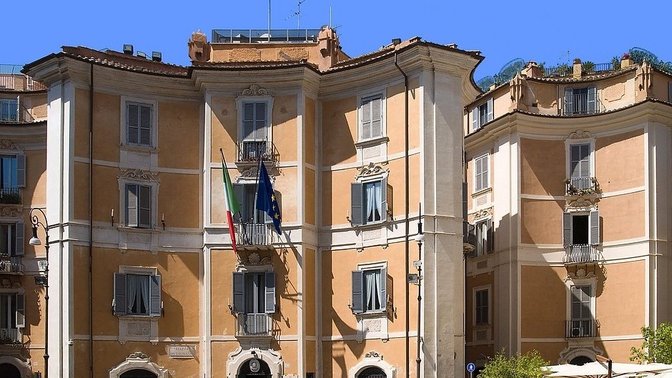
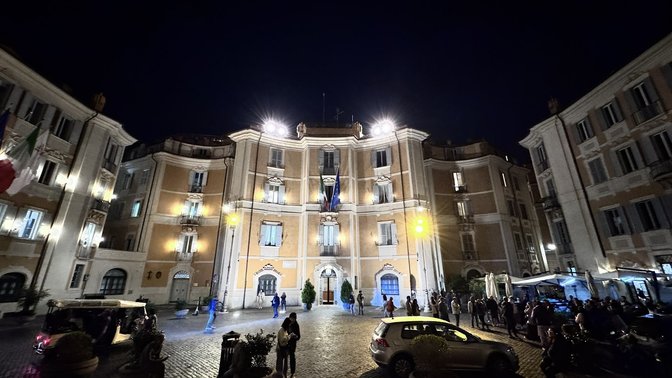
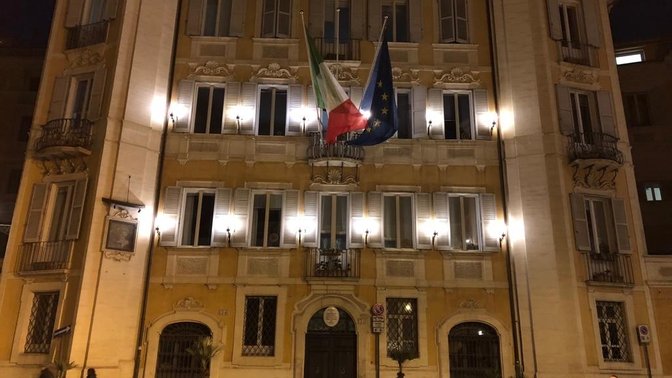
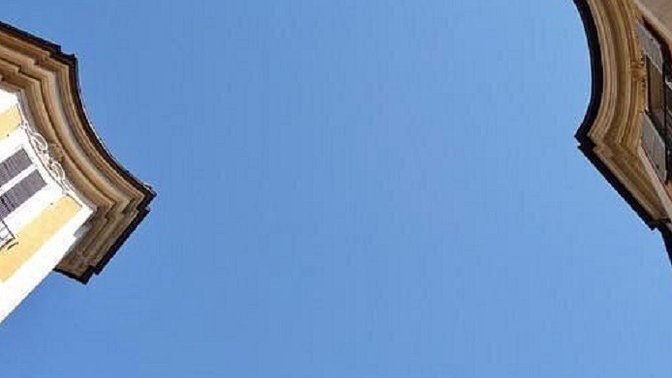
The square itself is surrounded by beautiful 18th-century buildings (including the Carabinieri headquarters for the protection of artistic heritage and the Rome Chamber of Commerce), designed by Filippo Raguzzini, arranged to form a curved stage backdrop. This unique design gives the square a sense of harmony and theatricality.
Unlike more crowded squares like Piazza Navona or Campo de' Fiori, Sant'Ignazio has a quiet and contemplative atmosphere. It is a secluded, almost intimate space, where you can sit and watch the world go by, or enter the church for a moment of wonder and silence.
Nearby, there are excellent cafes (special mention goes to Caffettiera napoletana in the adjacent Piazza di Pietra and Caffè Di Rienzo in Piazza della Rotonda) and restaurants (the Sabatino restaurant right on the square is a must), ideal for a relaxing break.
The strategic location also makes it a perfect stop on a cultural walking tour.
A place I've had the pleasure of admiring many times over the years (listing and reviewing it), gathering images, emotions, and reflections that I'm sharing with you today. Some of the photos I took accompany this updated review.
A ROCOCO MASTERPIECE BY FILIPPO RAGUZZINI:
This Rococo-style square was designed by Neapolitan architect Filippo Raguzzini (1690 – Rome, 1771) to create a fitting setting in front of the aforementioned church. These unique residential buildings were built in this area, which were owned by nobles who rented them.
UNIQUE ARCHITECTURE
The project sought to enhance this small space with four-story buildings featuring a distinctive concave shape, stucco and moldings, and linear and convex balconies adorned with wrought-iron railings.
A HIDDEN DETAIL: THE SACRED EDICULA:
On the corner of a building overlooking Via del Seminario is a charming sacred aedicule, likely contemporary with the buildings.
DISCOVERING ROME:
Rome is a mosaic of stories and secrets, where every corner hides a fragment of the past waiting to be rediscovered.
If this story has piqued your curiosity, I invite you to continue the journey with me through other hidden wonders of the city, because every stone here tells a story.