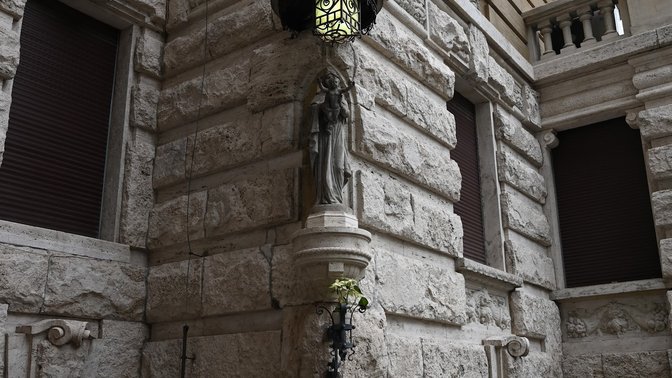
Edicola della *Madonna col Bambino* di Coppedè
Via Dora, 4, 00198 Roma RM
Rating: 5.0 ★ (9 ratings)
Details
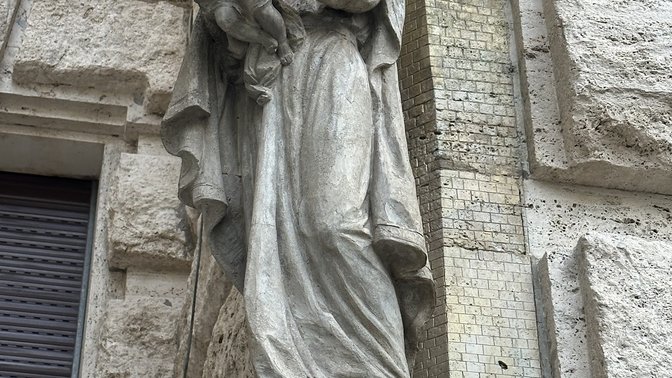
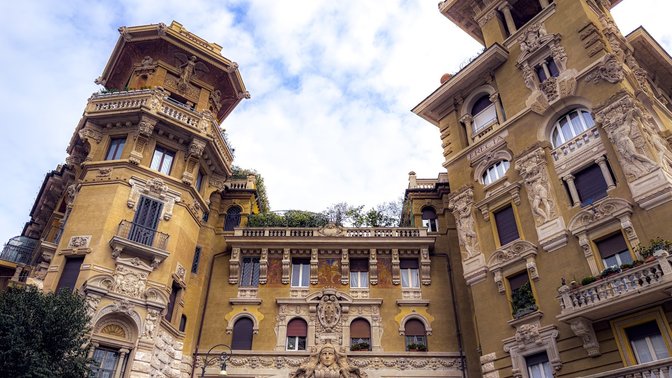
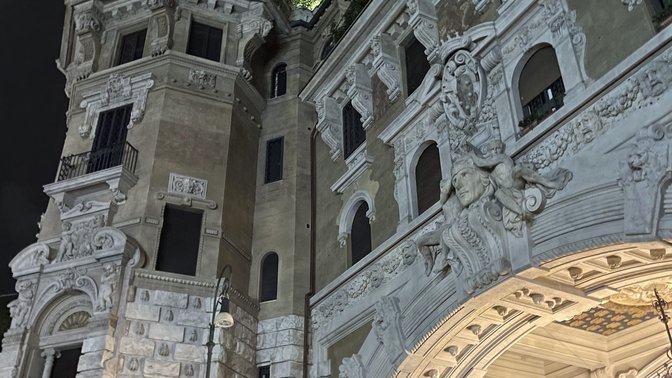
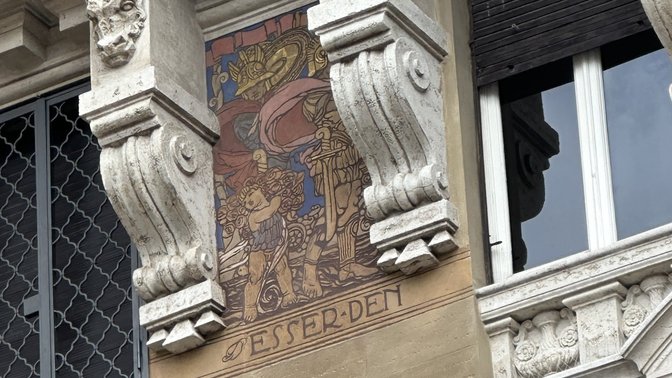
Edicola della *Madonna col Bambino* di Coppedè marks a distinctive spiritual threshold at the entrance to Rome's enchanting Coppedè district, situated off Via Tagliamento. This charming niche, housing an image of the Madonna with the Christ Child, introduces visitors to a truly unique corner of the Eternal City. It is a striking detail within an architectural 'fairyland', setting an evocative tone for the eclectic blend of Art Nouveau, Gothic, Baroque, and Medieval influences found throughout the whimsical neighbourhood.
This sacred edicola, nestled beneath a green lantern, captures attention as part of the initial fascinating details upon entering the fantastical Coppedè quarter. Beyond its artistic merit, the depiction of the Madonna and Child is woven into the district's design, symbolising protection for those who pass beneath the monumental arch it precedes. Its presence adds a touch of serene contemplation amidst the surrounding architectural exuberance, inviting a moment of quiet reflection.
Perfect for visitors keen to discover Rome's less-trodden paths, the Edicola della *Madonna col Bambino* offers a peaceful focal point within a truly imaginative urban setting. It suits those seeking distinctive cultural experiences or a leisurely stroll through an area celebrated for its unique, fairy-tale-like views and architectural marvels. The overall appeal lies in its harmonious blend of spiritual significance and artistic introduction to a wonderfully eccentric Roman district.
This is a little-known place, at risk of disappearing twice, first from collective memory and then even from digital maps.
I'm happy to republish this story, originally published in 2021, because certain urban details deserve to be rediscovered.
WHERE IT IS LOCATED:
The Edicule of the Madonna and Child is located near the large Arcone on Via Dora, which encompasses the two large Palazzo degli Ambasciatori, in the 18th District (Trieste) of Rome.
HISTORY AND ARCHITECTURE KEYS:
The edicule dates back to the 1920s, the period when the visionary "Quartiere Coppedè" was taking shape.
It has a 15th-century style. Located in a niche on the rusticated corner of the building on the right, the medieval statue rests on an elaborate curved travertine base. It depicts a slender, youthful figure of the Madonna, who extends the Baby Jesus forward with her hands outstretched, as if to bless the visitors to this place.
The style recalls the 15th century. The statue, located in a niche on the rusticated corner of the building on the right, rests on a curved travertine base.
The figure is slender, almost medieval.
The Madonna appears to advance delicately, offering the Baby Jesus with outstretched hands, as if in a gesture of blessing to those who pass through this passage.
The metal canopy above the shrine is circular in shape and richly decorated in the sky.
An artistic lamp, with Baroque influences, made of wrought iron in the shape of a lantern, with frosted glass and an amber light, adds a mystical aura, as if to guide the traveler to the entrance of the neighborhood.
A long metal arm supports it, protruding from the wall with elegant simplicity.
Beneath, as a sign of devotion, is a metal plant stand containing a vase with a flowering plant, indicating that someone still cares for it today.
FUN FACT: DID YOU KNOW THAT...?
In Rome, these sacred shrines are called Madonnelle. They were not only signs of popular devotion, but also landmarks for travelers, thanks to the constantly lit lights.
Some were built at sites of miraculous events, others were later moved inside churches.
To this day, they are still tended with flowers and votive offerings.
A PERSONAL EXPERIENCE:
Looking closely, it's like seeing a young woman welcoming passersby with her child.
Every photograph I've taken captures a moment, but at the same time evokes the imagery of an era, its discreet spirituality, its silent testimony.
ROME AND ITS SACRED SHEDS: FRAGMENTS OF HISTORY AND DEVOTION:
Rome's sacred shrines are true demonstrations of faith and popular art, even though they are often considered mere street furniture.
Over the years, many of these works have been abandoned or damaged, but they are indeed elements worth reevaluating, as especially the oldest ones have a cultural, artistic, and religious story to tell.
This quiet and little-known corner contains a work of art of great spiritual intensity. It's one of those places you discover by walking slowly, letting yourself be guided by curiosity and beauty.
If you enjoyed this read, I invite you to discover my other reviews.