Aqua Claudia Aqueduct
Viale Appio Claudio, 113, 00178 Roma RM
Rating: 5.0 ★ (38 ratings)
Details
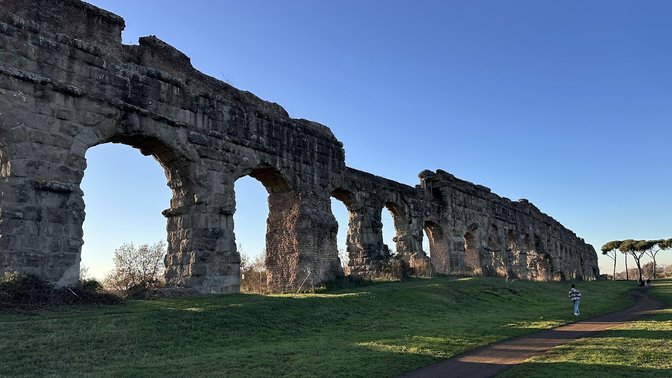
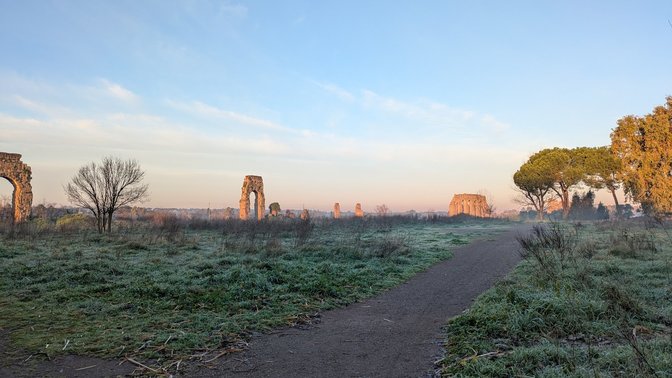
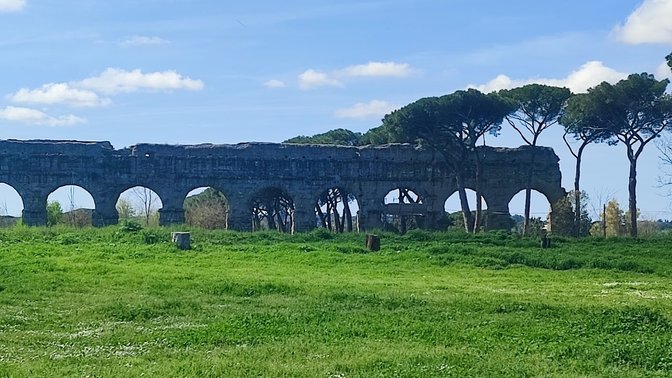
Aqua Claudia Aqueduct is an impressive ancient Roman structure, with its construction starting under Emperor Caligula in 38 AD and completed by Emperor Claudius in 52 AD. This remarkably well-preserved aqueduct stands proudly within the serene Parco degli Acquedotti, just outside the bustling heart of Rome. The park offers a captivating atmosphere, where visitors can wander through alluring landscapes of wild, unspoiled nature, evoking a sense of stepping back into ancient times. Its towering arches, reaching heights of over 27 metres, are a testament to Roman engineering and provide a majestic backdrop against the Roman countryside.
The aqueduct's main highlight is the extensive stretch of its magnificent arches, visible for approximately 10 kilometres across the Roman campagna. Originally, this impressive feat of engineering transported water over 69 kilometres to supply the city's baths, fountains, and private homes. Visitors can enjoy leisurely walks along the paths that trace the aqueduct's route, offering unparalleled views and exceptional opportunities for photography. Furthermore, the surrounding park also features remnants of other ancient aqueducts and a segment of the historic Via Latina, enriching the historical visitor experience.
This extraordinary site particularly appeals to history enthusiasts, keen photographers, and those with an interest in Roman engineering marvels. It is an ideal destination for families and students, providing an accessible and educational outing away from the city crowds, due to its flat and easily navigable routes. The overall appeal lies in the unique opportunity to witness such a significant and well-preserved piece of Roman infrastructure, enabling a genuine connection with the ingenuity and grandeur of the ancient world.
Location
Contact
https://www.parcoarcheologicoappiaantica.it/luoghi/acquedotti-claudio-marcio-e-novus/
Comments
Structural Details:
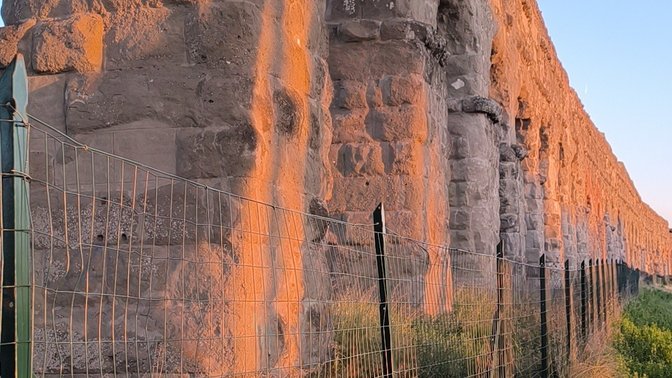
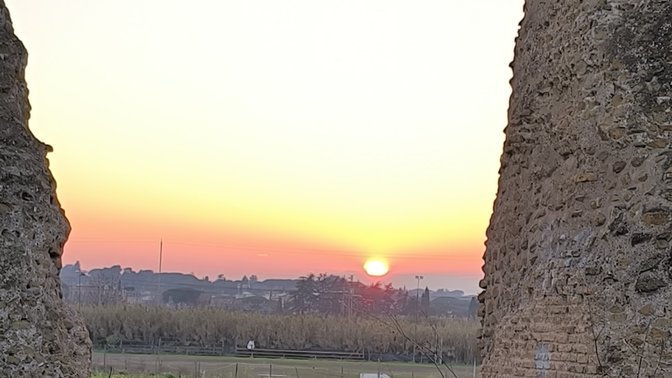
The Aqua Claudia, built between 38 and 52 CE under the emperors Caligula and Claudius, was a masterpiece of Roman engineering. The towering arches, visible in the image, were constructed using a combination of opus quadratum (large blocks of tuff and stone) and opus caementicium (Roman concrete). The robust construction ensured durability, as evidenced by its survival over two millennia.
Key architectural elements visible include:
• Arches: The evenly spaced arches provided structural stability while minimizing the material needed for construction. Their height allowed the aqueduct to maintain the required gradient for water flow while crossing uneven terrain.
• Rusticated Stones: The rough, unfinished surface of the stones in some areas demonstrates the practical approach of Roman builders, focusing on functionality over aesthetics for infrastructure elements.
Context in the Parco degli Acquedotti:
This segment of the Aqua Claudia runs through the Parco degli Acquedotti, offering visitors a glimpse of the grandeur of Rome’s ancient water supply system. The aqueduct transported water from springs near Subiaco, located over 60 kilometers from Rome. Alongside it, other aqueducts, such as Aqua Marcia and Aqua Tepula, created a dense network of water infrastructure that sustained the city’s population and public amenities.
Historical Importance:
The Aqua Claudia was celebrated for its purity and abundance of water. Its construction marked an era of technical ambition and urban sophistication. However, like other aqueducts, it required constant maintenance to remain functional. During its operational years, it supplied water to major public baths and fountains, such as the Baths of Caracalla, and contributed to Rome’s daily life and hygiene.
Modern Significance:
Today, this aqueduct stands as an enduring symbol of Roman engineering and urban planning. Its presence in the park serves not only as a historical monument but also as an integral part of the green landscape. Visitors often admire its scale and marvel at the ingenuity required to design such a system without modern machinery.