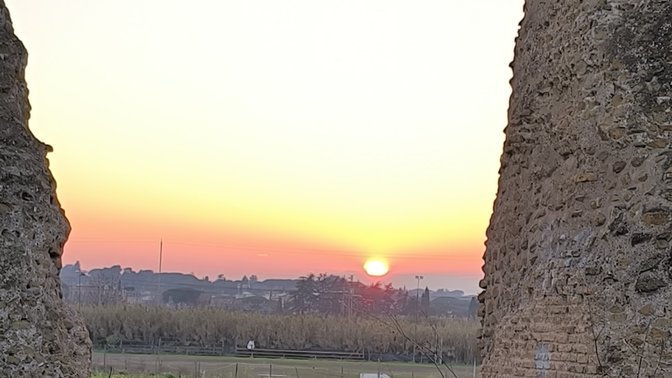
Arches of the Claudian Aqueduct
Viale Appio Claudio, 113, 00178 Roma RM
Rating: 5.0 ★ (38 ratings)
Details
Tra le vie Appia Nuova e Tuscolana nei pressi dei moderni quartieri di Cinecittà, Appio Claudio, Quadraro e Quarto Miglio, si stagliano nella campagna le poderose strutture degli acquedotti romani Aqua Marcia, Claudia e Anio Novus. L’Aqua Marcia, costruita tra il 144 e il 140 a.C. dal pretore Quinto Marcio Re, è il più lungo […]
Location
Contact
https://www.parcoarcheologicoappiaantica.it/luoghi/acquedotti-claudio-marcio-e-novus/
Comments
10 Nov 2024
Peaceful place to chill if you are intrigued by the Ancient Rome monuments
18 Jun 2024
Beautiful
More comments will appear here over time.
Structural Details:
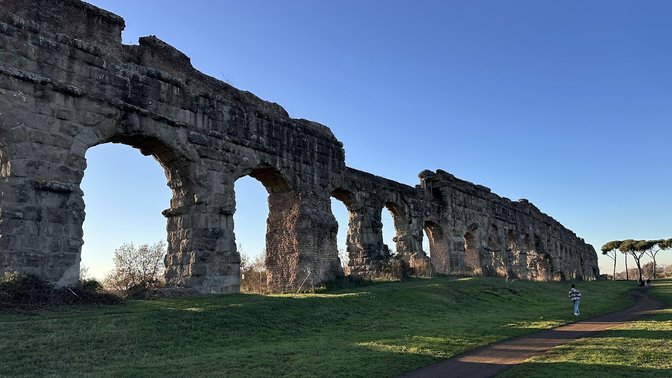
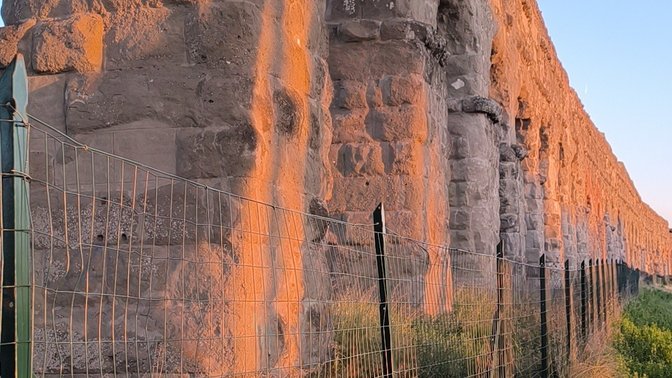
The Aqua Claudia, built between 38 and 52 CE under the emperors Caligula and Claudius, was a masterpiece of Roman engineering. The towering arches, visible in the image, were constructed using a combination of opus quadratum (large blocks of tuff and stone) and opus caementicium (Roman concrete). The robust construction ensured durability, as evidenced by its survival over two millennia.
Key architectural elements visible include:
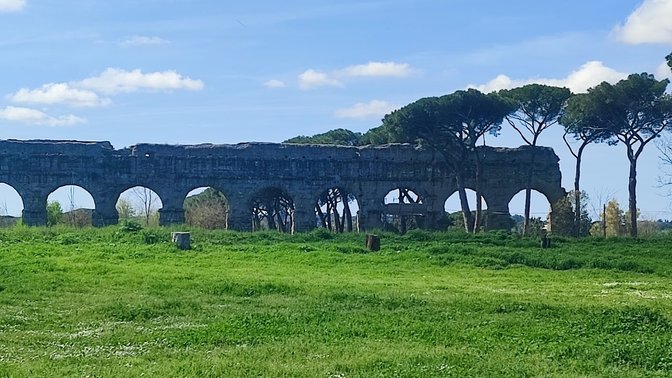
• Arches: The evenly spaced arches provided structural stability while minimizing the material needed for construction. Their height allowed the aqueduct to maintain the required gradient for water flow while crossing uneven terrain.
• Rusticated Stones: The rough, unfinished surface of the stones in some areas demonstrates the practical approach of Roman builders, focusing on functionality over aesthetics for infrastructure elements.
Context in the Parco degli Acquedotti:
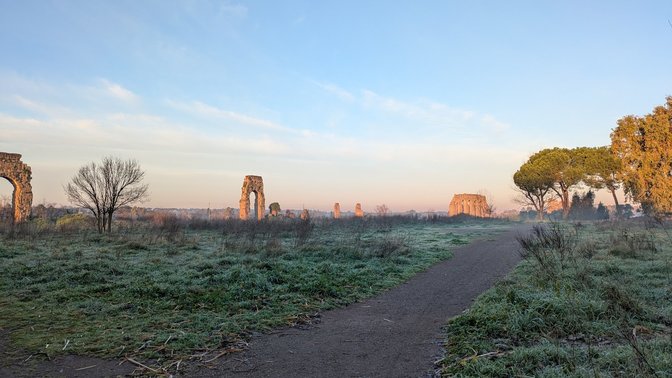
This segment of the Aqua Claudia runs through the Parco degli Acquedotti, offering visitors a glimpse of the grandeur of Rome’s ancient water supply system. The aqueduct transported water from springs near Subiaco, located over 60 kilometers from Rome. Alongside it, other aqueducts, such as Aqua Marcia and Aqua Tepula, created a dense network of water infrastructure that sustained the city’s population and public amenities.
Historical Importance:
The Aqua Claudia was celebrated for its purity and abundance of water. Its construction marked an era of technical ambition and urban sophistication. However, like other aqueducts, it required constant maintenance to remain functional. During its operational years, it supplied water to major public baths and fountains, such as the Baths of Caracalla, and contributed to Rome’s daily life and hygiene.
Modern Significance:
Today, this aqueduct stands as an enduring symbol of Roman engineering and urban planning. Its presence in the park serves not only as a historical monument but also as an integral part of the green landscape. Visitors often admire its scale and marvel at the ingenuity required to design such a system without modern machinery.